Wood damage rarely arrives neatly. You usually get a chipped corner, a soft spot near a sill, or a cracked section that needs more than cosmetic filler. The right epoxy wood filler gives you shape, hold, and a cleaner finish, whether you’re patching indoor trim or rebuilding a worn outdoor edge. This roundup focuses on practical fit, not hype, so you can match the product to the repair and skip the guesswork.
Quick Look at the Shortlist

DAP Plastic Wood-X with DryDex Wood Filler, Natural, 5.5 Oz

PC Products PC-Woody Wood Repair Epoxy Paste Kit 6 oz, Tan

Boncart High Strength AB Epoxy Putty 200g, White

Bondo Wood Filler 12 oz with Hardener 0.5 oz, WF-PT-ES

Endhokn Epoxy Putty Stick 10.5 oz, White

aididan Wood Filler, Wood Putty, 16 Oz, White

J-B Weld 40006 Wood Restore Premium Epoxy Putty Kit 32 oz.
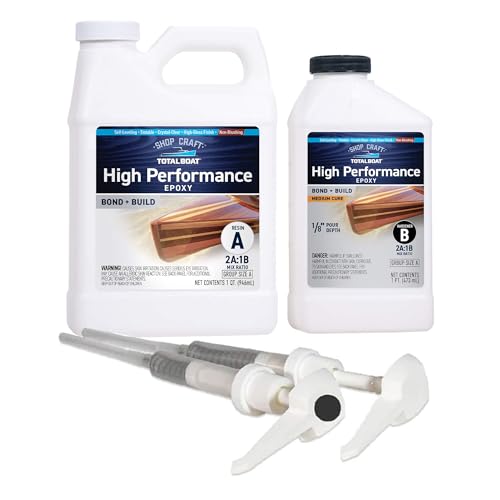
TotalBoat High Performance Epoxy Kit 1.5 Quart, Medium
More Details On Our Top Picks
DAP’s DryDex approach suits small indoor repairs where you want a simple visual cue before sanding. The natural tone keeps the finish less conspicuous on common trim and furniture touch-ups, and the small 5.5-ounce size makes sense for occasional fixes rather than large rebuilds.
The trade-off is capacity, so larger rot repair jobs need more material than this tub can handle. For a hallway baseboard nick or a cabinet edge ding, though, it stays nicely focused and easy to store.
Strong Points
- Color-change drying helps you judge timing without guesswork.
- Natural shade blends more quietly on common wood tones.
- Compact size suits touch-ups in lived-in rooms.
- Good match for quick sanding and repainting.
Things To Consider
- The small container limits use on deeper or wider damage.
- Best handled as a patching product, not a rebuild paste.
Feature Snapshot
Who It Suits Best
You’ll get the most from this one in a home with frequent minor dings, cabinet scratches, and small trim repairs.
A Better Fit Elsewhere
PC Products PC-Woody Wood Repair Epoxy Paste Kit suits you better for rotted sections or deeper structural repair work.
This two-part paste is aimed at repairs where damaged wood needs rebuilding, not just skin-deep filling. The included mixing tool helps keep the process orderly, and the tan color works better when the repair sits near unfinished or stain-ready wood.
Because it’s built to handle dry rot and exposure to sun and water, it makes sense for repairs on porch pieces, window surrounds, and similar spots that see weather. The honest read is that it asks for a little more prep than a basic filler, but the payoff is a tougher repair profile.
What We Like
- Two-part epoxy paste is suited to structural rebuilding.
- Works indoors and outdoors for broader job flexibility.
- Resists dry rot, ultraviolet light, fresh water, and salt water.
- Mixing tool helps the application stay more controlled.
Room For Improvement
- Two-can mixing means a slower setup than a ready-mixed filler.
- Temperature windows matter, so very cold or very hot job sites need attention.
- Cleanup and storage are more involved than with a single-tub putty.
Core Details
Who Should Grab It
You’re the right fit for this kit if your project includes softened edges, missing chunks, or outdoor wood that needs a stronger rebuild.
Swap It Out When
DAP Plastic Wood-X with DryDex suits lighter interior patching better, especially for quick cosmetic repairs.
Boncart leans more toward multi-surface repair than a wood-only paste, which makes it useful in homes where wood meets tile, plastic, or metal. The steel-filled epoxy putty format gives you a firm hand-moldable mass for shaping, bonding, or plugging awkward damage.
That versatility helps in mixed-material spaces like utility rooms, garages, and workshop corners. The trade-off is that a general repair putty may feel less tailored than a wood-specific filler for fine trim work.
Highlights
- Steel-filled formula adds strength for demanding fixes.
- Works across wood, metal, tile, ceramics, and plastic.
- Waterproof character suits damp or busy utility spaces.
- Useful for bonding, patching, and light sculpting work.
Points To Note
- Multi-purpose design is broader than a dedicated wood filler.
- White finish may call for extra topcoating on visible repairs.
Details At A Glance
Built With In Mind
You’ll appreciate this most in garages, utility spaces, and mixed-material repair jobs where one filler has to do several jobs.
Another Choice May Suit
Bondo Wood Filler 12 oz with Hardener 0.5 oz fits better for wood trim and furniture repairs that need a smoother finishing path.
Bondo is the kind of repair filler that makes sense for people who want a smoother finishing path after patching chips or cracks. The hardener adds the second component you need for a stronger set, and the brand’s wider use range on trim, siding, doors, and furniture keeps it practical.
Its non-shrinking behavior matters most where a filled area needs to stay flush instead of sinking back into a shallow dip. For exterior door frames or a tired window sill, that steadier finish is often the difference between a quick patch and a repair that still looks tidy after sanding.
Upsides
- Sandable, paintable, and stainable for flexible finishing.
- Non-shrinking behavior helps keep filled spots level.
- Works on common wood surfaces around the home.
- Water-resistant character suits tougher interior or exterior spots.
Softer Spots
- Two-component mixing adds a step before use.
- Better for patching than for deep structural rebuilding.
- Cleanup is easier when you stay organized during mixing.
Feature Card
Right Fit For
You’ll like this most for trim, doors, siding, and furniture repairs where finish quality matters as much as fill strength.
Where A Sibling Pick Shines
PC Products PC-Woody Wood Repair Epoxy Paste Kit suits tougher rot repair better, especially where missing material needs rebuilding.
Endhokn’s putty-stick format is handy for you when the repair spot is awkward and you want something you can shape by hand. Because it’s listed for metal, ceramics, plastic, wood, tile, and concrete, it fits the kind of household where one repair product has to cover a lot of ground.
The trade-off is the broad brief, which means it reads more like an all-purpose repair clay than a wood specialist. That said, for filling holes, building around rough spots, or handling quick modeling-style fixes, the 10.5-ounce size gives you a decent working cushion.
Bright Spots
- Putty-stick form is easy to knead and place by hand.
- Useful across several surfaces, not just wood.
- Can handle hole filling and small sculpting tasks.
- White finish is useful where the repair will be painted.
Areas To Watch
- General-purpose positioning may be less precise than a wood-only filler.
- Visible repairs will usually need a topcoat for a cleaner look.
Quick Facts
Whose Shelf It Belongs On
You’re a good match for this if you keep one repair product around for odd jobs and don’t want a wood-only formula.
Look Elsewhere When
Bondo Wood Filler 12 oz with Hardener 0.5 oz suits more polished wood finishing work better.
This 16-ounce tub is aimed at the sort of repair pile that never seems to shrink, especially in homes with pets, kids, or a lot of furniture wear. Paintable and stainable behavior makes it more practical for visible scratches, while the water-resistant label gives it a little more confidence around exterior use.
The size is the real story here. Compared with DAP’s smaller container, you get more material on hand for repeated fixes, which helps when you’re patching a few shelves, chair legs, or a string of nail holes in one room.
Best Bits
- Larger 16-ounce size supports repeated household repairs.
- Paintable and stainable finish broadens finishing options.
- Useful for scratches, cracks, and hole filling.
- Water-resistant label adds flexibility beyond indoor-only use.
Minor Gripes
- Bulk size is less convenient for one-off touch-ups.
- White base may need more finish work on darker woods.
- Storage takes a bit more shelf space than a small tub.
Core Details
Perfect Match For
You’ll get the best fit from this kit in a busy home where a larger repair supply saves repeat trips to restock.
Reach For A Different Pick When
DAP Plastic Wood-X with DryDex Wood Filler works better for very small, occasional interior patches.
Wood restoration jobs often need more material than a standard filler tub can comfortably supply, and that’s where this 32-ounce kit earns attention. The hand-mixable epoxy putty is built for filling, building, reinforcing, and bonding, so it suits damaged sections that need both shape and strength.
Compared with Bondo’s finish-friendly kit, this one feels more geared toward rebuilding compromised wood than chasing a flawless cosmetic patch. That makes it a better match for repair work on framing, larger rotten areas, or other places where the material has really gone soft.
Reasons To Buy
- Large 32-ounce kit suits bigger restoration jobs.
- Hand-mixable putty gives you shaping control.
- Useful for filling, building, reinforcing, and bonding.
- Made for wood repair projects that need more substance.
Points To Note
- Large size is more than many small trim jobs need.
- Best suited to repair work with some prep time.
- Storage needs more room than compact fillers.
Spec Overview
The Right Fit
You’re in the sweet spot here if the repair involves damaged or rotted wood that needs real rebuilding rather than a thin cosmetic skim.
Where A Sibling Pick Shines
Bondo Wood Filler 12 oz with Hardener 0.5 oz is the easier match for finish-first repairs on trim, furniture, and smaller surface flaws.
TotalBoat sits in a more finish-focused lane than the other picks here, because it’s an epoxy resin and hardener system rather than a simple wood paste. The clear result, low odor, and low VOC profile make it attractive for shop work, coating, and repairs where you want the surface to stay visually clean.
The 2:1 mix ratio is straightforward, and the choice of slow, medium, or fast hardener lets you match working time to the pace of the job. For woodworking, boat building, or fiberglass-adjacent repair, that flexibility is a real advantage, though it’s more system-oriented than a casual filler tub.
Standout Traits
- Clear finish suits coating and visible repair work.
- Low odor and low VOCs are helpful in enclosed shops.
- 2:1 mix ratio keeps mixing simple.
- Hardener speed choices let you control working pace.
- Useful for woodworking, laminating, and repair tasks.
Honest Caveats
- More of an epoxy system than a wood filler in the usual sense.
- Best suited to planned projects, not quick patch-and-go jobs.
- Choosing the right hardener takes a bit of attention.
Feature Rundown
Who Will Love This
You’ll appreciate this most for shop projects, wooden boat work, or visible epoxy finishes that need a cleaner, clearer result.
Not Your Match When
aididan Wood Filler, Wood Putty, 16 Oz is the simpler fit for basic household dents, scratches, and hole filling.
How To Choose The Right Epoxy Wood Fillers
Match The Filler To The Damage
Small dents and hairline cracks usually call for a smoother filler that sands easily, while missing chunks or softened edges need a paste that can rebuild shape. A two-part epoxy mix generally offers more body and stronger set-up than a basic ready-mixed putty, so it fits repairs where material has actually gone missing. The trade-off is extra prep, because mixing and timing matter more.
Think About Finish, Not Just Fill
Paintable and stainable formulas help when the repair sits in plain sight on trim, doors, or furniture. Clear epoxy systems serve a different role, since they suit coated surfaces, laminating, and projects where you want the material to stay visually quiet. The right choice depends on whether you want the repair hidden, blended, or left visible as part of the surface.
Size Should Match Your Repair Rhythm
A small tub works well for occasional touch-ups, especially in apartments or smaller homes where storage space is tight. Larger kits make more sense for recurring fixes, older houses, or renovation work where several spots need attention across one weekend. Bigger packs usually cost more because they cover more area, often include mixing parts or tools, and are built for deeper repairs.
Pay Attention To Where The Repair Lives
Outdoor trim, window surrounds, and damp-prone spots need a repair material that handles moisture and weather better than a basic interior putty. Workshop and boat-related jobs often need epoxy with broader chemical and surface handling, while inside-the-house fixes can stay simpler. You get the cleanest result by matching the formula to the surface, the exposure, and how much shaping the job demands.
Things Worth Knowing First
Hidden Buying Traps
A common mistake is choosing a multi-surface putty for a repair that really needs wood-specific finishing. Another slip is overlooking mix steps, cure timing, or container size, then ending up with more setup than the job deserves. The cleaner path is to treat the damage type as the starting point, not the color on the label.
The Case For Spending Up
Higher-tier epoxy wood fillers usually cost more because they handle more serious damage, come in larger kits, or give you better control over working time. Some also add hardener options, stronger rebuild capability, or clearer finish behavior for more demanding projects. That extra spend makes sense for rot repair, larger surface restoration, or shop work that needs the filler to do more than just close a gap.
Final Thoughts
You’ll get the best result by matching the repair product to the real job, not just the word “wood” on the package. DAP and aididan suit smaller home fixes, Bondo and PC Products cover more demanding wood repair, and J-B Weld or TotalBoat make sense once the project gets larger or more specialized. For most homes, that’s enough to narrow the field fast and keep your repair looking cleaner with less rework.