You want a felling axe that matches the work in front of you, not one that feels good only in a product photo. This roundup focuses on balanced heads, usable handle lengths, and practical weight choices for clearing trees, shaping firewood, and handling yard work without guesswork. The lighter picks suit controlled cuts and carry-friendly jobs, while the heavier heads make sense for bigger timber and longer sessions in the woods. You’ll also see where a shorter handle gives better control and where a longer one adds reach and leverage.
Quick Look At The Shortlist
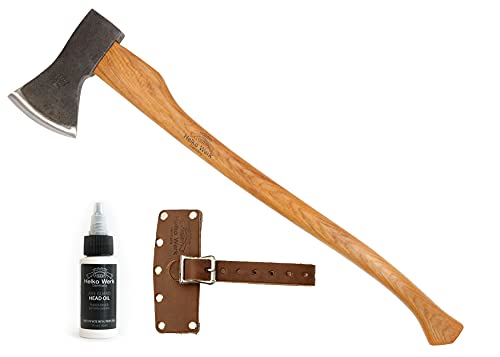
1844 Helko Werk Germany Traditional Bavarian Woodworker Felling Axe (13566)
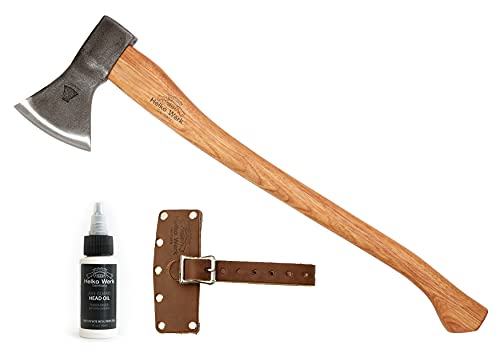
1844 Helko Werk Germany Traditional Hessen Woodworker Felling Axe (13563)

1844 Helko Werk Germany Classic Expedition Felling Axe (10497)
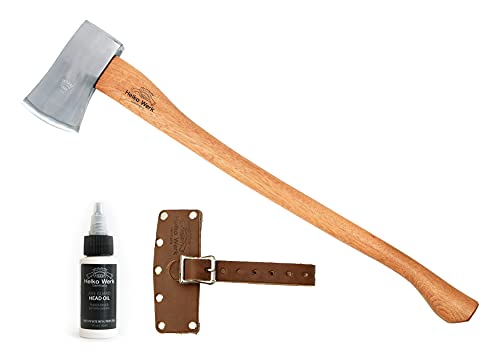
1844 Helko Werk Germany Classic Forester Full-Size Felling Axe (10495)

1844 Helko Werk Germany Förster Professional Light Felling Axe (10451)

1844 Helko Werk Germany Vario Heavy Universal Large Axe (10055)

Fiskars 28″ Chopping Axe
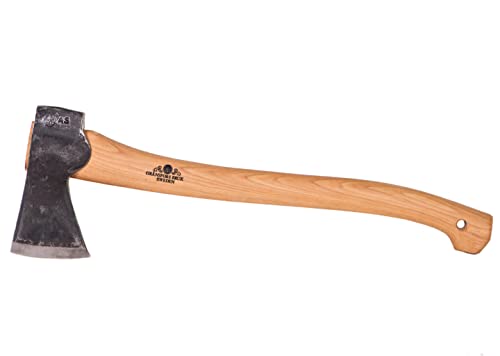
Gransfors Bruks Small Forest Axe 19 Inch, 420
That 3.5-pound head and 31-inch handle put this Bavarian model squarely in the working category. You get a tool that suits bigger rounds, thicker trunks, and steady two-handed swings in a woodlot or rural yard.
Compared with the Hessen axe below, this one asks for more room and more commitment on each swing. The honest read is that it rewards controlled technique, so experienced hands will likely get the most from it.
Strong Points
- 3.5-pound head adds solid driving force.
- 31-inch handle gives useful leverage for longer cuts.
- Made in Germany build speaks to traditional axe shaping.
- Good match for larger wood you split and fell outdoors.
Points To Note
- Heavier feel can tire your arms during long sessions.
- The longer handle needs more clearance than compact axes.
- Storage and edge care matter more with a tool this substantial.
Feature Snapshot
Who It Suits Best
You get the most from this model in a larger property, a woodpile setup, or regular tree-felling work.
A Better Fit Elsewhere
1844 Helko Werk Germany Traditional Hessen Woodworker Felling Axe (13563) suits you better when you want a shorter, lighter axe with easier day-to-day handling.
The 2-3/4-pound head and 28-inch handle make this one feel more manageable than the Bavarian axe above. That smaller footprint matters in tight yards, brush edges, and any setting where you want the swing to stay disciplined.
It still carries the same traditional Helko Werk character, so you’re not giving up the classic feel that many woodworkers like. For most people, this is the cleaner choice when size matters as much as cutting power.
Highlights
- Lighter head helps reduce fatigue during routine work.
- 28-inch handle is easier to steer in tighter spaces.
- Hand-forged construction suits traditional tool preferences.
- Good fit for felling smaller trees and general cutting.
Room For Improvement
- Less mass than the heavier Helko Werk options for bigger timber.
- Shorter reach means less leverage on large rounds.
- Traditional styling may ask for a bit more upkeep than simple utility tools.
Details At A Glance
Built With In Mind
You suit this axe best when you want a controllable tool for moderate felling, trimming, and yard-side cutting.
Skip It When
1844 Helko Werk Germany Classic Expedition Felling Axe (10497) is the better match for bigger timber and longer chopping sessions.
A 4.5-pound head and 35-inch handle put this axe in the heavy, long-reach camp. That size helps when you’re working on larger trees, tougher timber, or a deep swing path that needs real momentum.
It sits above the Forester in sheer size, so it’s less about casual yard duty and more about sustained cutting in open space. The trade-off is clear: more power on contact, more effort between swings.
Reasons To Buy
- Heavy head brings strong driving force to larger wood.
- 35-inch handle helps build a longer chopping arc.
- Useful for extended outdoor work where reach matters.
- Solid fit for bigger timber and repeated felling jobs.
- Part of a complete axe set, which helps for gift or gear planning.
Softer Spots
- Size can feel demanding in confined yards or brushy ground.
- The weight asks for good technique and steady pacing.
- Storage takes more room than shorter-handled models.
Core Details
Whose Shelf It Belongs On
You fit this axe best when your work stretches beyond the occasional branch and into serious timber handling.
Another Choice May Suit
1844 Helko Werk Germany Classic Forester Full-Size Felling Axe (10495) is easier to live with for mixed chores and less demanding carry.
This Forester lands in a useful middle ground, with a 3.5-pound head and 31-inch handle. You get more authority than the Hessen axe, but not the full commitment of the 4.5-pound Expedition model.
That balance makes sense for property maintenance, splitting sessions, and general woodlot chores. A lot of people end up wanting exactly that middle feel, especially when one tool has to cover several jobs.
Bright Spots
- 3.5-pound head offers a practical blend of force and control.
- 31-inch handle gives enough leverage without feeling oversized.
- Works for both felling and splitting, which broadens its use.
- Good middle choice for mixed outdoor work.
Areas To Watch
- Not as nimble as the Hessen model in cramped spaces.
- Not as force-heavy as the Expedition axe for very large timber.
- Regular edge care still matters, especially after harder splitting work.
At A Glance
Right Fit For
You suit this axe well if you want one full-size tool for the cabin, the yard, or regular woodpile upkeep.
Where A Sibling Pick Shines
1844 Helko Werk Germany Traditional Hessen Woodworker Felling Axe (13563) fits better for lighter handling, while the Expedition model serves heavier timber work.
At 2.5 pounds with a 28-inch handle, this is the lightest Helko Werk option in the set. That lighter build makes it easier to carry on camping trips or use for shorter cutting jobs where full-size heft feels like too much.
The listing also calls out a fireman’s hatchet style, which points to a more versatile, work-ready shape than the heavier forest axes above. You may find it easier to live with day to day, especially when your cutting needs stay moderate.
What We Like
- Lighter head helps keep swings easier to manage.
- 28-inch handle suits portable outdoor use.
- Useful for camping, light felling, and carry-friendly jobs.
- The smaller profile stores more easily than the larger wood axes.
Small Caveats
- Less mass means less momentum for bigger logs.
- It feels more specialized for light and medium work.
- Traditional tool care still matters after wet outdoor use.
Technical Sheet
Made For
You fit this axe best when you want something lighter for camping, lighter felling, or quick work around the property.
Look Elsewhere When
1844 Helko Werk Germany Classic Forester Full-Size Felling Axe (10495) is the stronger match for fuller-size yard work and heavier splitting.
The Vario Heavy stands apart because of its interchangeable head and 5.5-pound weight. That combination makes it feel closer to a modular work tool than a standard felling axe, which suits serious outdoor users who want flexibility.
Its 36-inch handle gives it the longest reach in this roundup, so the swing path is substantial. The trade-off is obvious, it’s a lot of tool to move around, but for heavy mixed workloads that extra heft can make sense.
Best Bits
- Interchangeable head adds flexibility for different chores.
- 5.5-pound weight supports forceful work on heavy timber.
- 36-inch handle gives the most leverage in this group.
- Useful for users who want one large axe for multiple tasks.
Worth Noting
- Large size asks for room, strength, and careful handling.
- It’s more demanding to carry than the lighter Helko Werk models.
- Maintenance matters, especially with a more involved head setup.
Feature Rundown
The Right Fit
You suit this axe best if you want a heavy-duty tool for serious outdoor work and don’t mind the larger footprint.
Swap It Out When
1844 Helko Werk Germany Classic Forester Full-Size Felling Axe (10495) is easier to handle for everyday mixed use and smaller storage spaces.
This Fiskars model is the more modern-feeling choice in the lineup, with a 28-inch handle and a 3.5-pound body. Its sharper, chopping-focused profile makes sense for kindling, outdoor chores, and garden-side wood work where a clean bite matters.
Compared with the traditional German axes, this one leans less toward heritage styling and more toward straightforward utility. That makes it a sensible fit for someone who wants a balanced tool without a large, old-school forest axe silhouette.
Positives
- 28-inch handle keeps the tool compact and manageable.
- 3.5-pound weight gives a balanced feel for general chopping.
- Well suited to kindling work and outdoor chores.
- More straightforward ownership for people who want simple utility.
Areas To Watch
- Less traditional than the Helko Werk woodworker axes.
- The shorter format won’t match the reach of the larger forest models.
- Edge care still matters, especially after repeated kindling use.
Core Details
Who Should Grab It
You fit this axe best if you want a practical, balanced option for kindling and general garden use.
Another Choice May Suit
1844 Helko Werk Germany Traditional Hessen Woodworker Felling Axe (13563) gives you a more classic feel and a hand-forged approach.
The 19-inch handle and 2-pound weight make this the most carry-friendly axe in the group. It fits well for trail carry, campsite chores, and smaller cutting jobs where a full-size felling axe would feel like too much tool.
The included axe-book is a nice touch for someone who wants background along with the tool itself. You may find the short format a little limited for heavy wood, but for portable work it lands in a very sensible place.
Highlights
- 19-inch size keeps it easy to carry and stow.
- 2-pound weight supports lighter outdoor handling.
- Good fit for camp tasks and smaller forest work.
- Includes the Gransfors axe-book, which adds a useful reference.
Trade Offs
- Short handle limits reach and swing power on bigger wood.
- Less suited to true felling work than the full-size axes above.
- Compact tools still need edge care after rough outdoor use.
Quick Facts
Perfect Match For
You suit this axe best if you want a compact forest tool for hiking packs, camp setups, or light trail work.
Where Shoppers Go Wrong
1844 Helko Werk Germany Classic Expedition Felling Axe (10497) makes more sense for heavy timber and open-space cutting.
How To Choose The Right Felling Axes
Match Head Weight To The Wood
Head weight shapes how hard the axe drives into the cut. Lighter heads, like the 2-pound Gransfors Bruks or the 2.5-pound Helko Werk Förster, suit controlled swings, carry-friendly use, and smaller wood. Heavier heads, such as the 4.5-pound Expedition or 5.5-pound Vario Heavy, help more with bigger timber, but they ask more from your shoulders and timing.
The middle weights are often the easiest place to start. A 3.5-pound axe usually gives you enough force for regular felling without feeling oversized in the hand.
Use Handle Length To Control Leverage
Handle length affects both reach and swing arc. A 28-inch handle is easier to steer in tight yards, brushy edges, or camp spaces, while a 35- to 36-inch handle gives you more leverage and a broader path through the cut. That longer arc can feel smooth, almost like the tool is doing part of the work for you, but the trade-off is more room needed behind and beside you.
You should also think about storage and transport. Shorter handles pack better in a vehicle, hang more neatly in a shed, and are less awkward to carry through rough ground.
Choose Between General Use And Dedicated Felling
Some axes are built as all-round outdoor tools, while others lean hard toward tree work. The Fiskars chopping axe is a better match for kindling and garden chores, while the Helko Werk forester and expedition models are more focused on felling and splitting. That distinction matters because the right profile saves effort and reduces frustration.
For a woodlot, a logging trail, or regular firewood prep, a dedicated felling shape makes more sense. For occasional use around the property, a more versatile model can be easier to live with.
Think About Maintenance And Storage
Axe ownership does not stop at the cut. Heavier axes and traditional forged heads need sensible edge care, dry storage, and a place where the handle won’t get knocked around. A shorter, lighter tool can be easier to maintain, but even compact models need attention after wet or gritty outdoor work.
You get the smoothest long-term experience when the tool matches your pace, your storage space, and the kind of wood you cut most often.
A Quick Reality Check
Wrong Turns To Avoid
A common mistake is choosing size for the sake of size. A 36-inch axe looks serious, but it can feel clumsy in a small yard or beside tangled brush. Another misstep is assuming every felling axe works equally well for kindling, splitting, and hauling, because each design leans a little differently.
You also want to avoid ignoring handle length. A great head on the wrong handle can still feel wrong in use.
Where The Extra Money Goes
Higher-tier axes usually cost more because of the materials, forging, finish quality, and the level of shaping around the head and handle. On traditional models, that can mean better balance, more deliberate edge geometry, and a build that feels better suited to regular use. You’re often paying for refinement as much as raw cutting ability.
That upgrade makes sense for frequent outdoor work, thicker wood, or anyone who wants a tool that feels more deliberate in the hand. For occasional yard cleanup, a simpler design can be enough.
Final Thoughts
The right felling axe depends on your wood, your space, and how much tool you want to carry. The Helko Werk models cover the classic middle ground very well, while the Fiskars and Gransfors Bruks picks make stronger sense for lighter, more portable work. For bigger timber, the Expedition and Vario Heavy stand out through size alone. Choose the one that fits your routine, not just the one that looks toughest.