Fencing work asks for tools that grip, cut, twist, and keep going after the job gets messy. You also want something that feels steady in the hand, since wire work punishes loose jaws and awkward handles fast.
This roundup focuses on fencing pliers and close-match tools that help with wire, ties, staples, and light cutting tasks. You’ll see a mix of compact cutters, solid-joint pliers, and specialty picks for hog rings, so you can match the tool to the task instead of forcing one plier to do everything.
The Shortlist At A Glance

KNIPEX CoBolt Compact Bolt Cutter 8-Inch

IRWIN VISE-GRIP Pliers Fencing 10-1/4-Inch (2078901) Blue
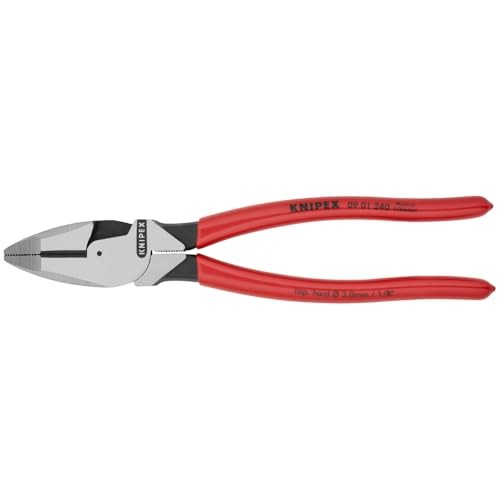
KNIPEX Tools 09 01 240 SBA High Leverage Lineman’s Pliers 9.5-Inch

GRENPRO Wire Cutters Heavy Duty 8 Inch Mini Bolt Cutter
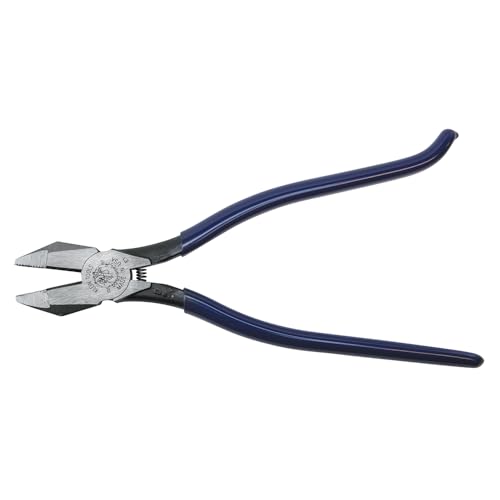
Klein Tools D201-7CST Ironworker Pliers 9-Inch

Crescent 10 Heavy-Duty Solid Joint Fence Tool Pliers 193610CVSMNN


Spurtar Angled Hog Ring Pliers Kit with 360pcs Hog Rings
More Details On Our Top Picks
This compact cutter makes sense for fence touch-ups, bike repair, and other small metal tasks where full-size cutters feel clumsy. The 8-inch body keeps it easy to store in a tool bag, and that shorter footprint can matter in cramped sheds or packed service trucks.
The trade-off is straightforward, it’s a specialist cutter rather than a do-everything fence plier. For light, controlled cutting jobs, that focus is useful, while larger fence installs still call for a broader tool set.
Strong Points
- Short length fits tight storage spaces.
- Useful for controlled cuts on smaller metal pieces.
- Easy to carry between job sites.
- Pairs well with a wider fencing kit.
Things To Consider
- Not built for the broad duties of a true fencing all-rounder.
- Smaller format may feel limiting on heavier wire work.
Feature Snapshot
Who It Suits Best
You’ll like this most for small repairs, bike tinkering, and light-duty wire cutting in tight spaces.
A Better Fit Elsewhere
Crescent 10 Heavy-Duty Solid Joint Fence Tool Pliers 193610CVSMNN suit you better for general fence repair, since they bring a more traditional fencing-tool shape.
Nickel chromium steel gives this fencing plier a sturdy, work-ready feel, and the machined jaws are the detail that matters most in real fence work. You get a tool that’s aimed at gripping and holding with confidence, not just looking the part.
In a busy barn, around paddock repairs, or during weekend fence maintenance, that kind of jaw control is handy. The blue finish is simple and easy to spot in a mixed tool pile, though the overall design stays conventional rather than flashy.
What We Like
- Nickel chromium steel build supports hard use.
- Machined jaws help with secure gripping.
- Longer 10-1/4-inch size adds reach.
- Good fit for routine fence maintenance.
Minor Gripes
- The 10-1/4-inch body can feel a little long in cramped storage buckets.
- More of a workhorse than a refined specialty tool.
Core Details
Right Fit For
You’ll get the most from it for everyday fence upkeep, ranch use, and general gripping jobs.
Where A Sibling Pick Shines
Klein Tools D201-7CST Ironworker Pliers 9-Inch suit you better for wire twisting and tie work on more demanding job sites.
This pair stands out for its leverage design, which is built to reduce effort compared with standard combination pliers. For long repair days, that matters, because repetitive cuts and twists can wear your hand down faster than you expect.
The 9.5-inch length gives you a bit more reach than the compact KNIPEX cutter above, but it stays manageable for belt carry. The honest read is that it suits people who work wire often, not someone who needs a light grab-and-go plier for occasional fixes.
Highlights
- High-leverage geometry helps ease hand strain.
- Useful for repeated cutting and twisting tasks.
- 9.5-inch body balances reach and control.
- Strong fit for regular field use.
Room For Improvement
- More specialized than a simple general-purpose plier.
- May feel like overkill for light household repairs.
Feature Rundown
Built With In Mind
You’ll appreciate this most on jobs that involve frequent cutting, twisting, and general wire handling.
Another Choice May Suit
IRWIN VISE-GRIP Pliers Fencing 10-1/4-Inch (2078901) Blue fit you better for a simpler fence-gripping role with a more traditional profile.
For crafting, thin wire trimming, and small cable work, this compact cutter stays pleasantly straightforward. The Cr-V, or chrome vanadium steel, construction is the important part here, since that material is commonly chosen for wear resistance and steady edge retention in hand tools.
The soft anti-slip handle should feel more secure during repetitive cuts, especially in a garage or workshop where hands get tired. The trade-off is capacity, because this tool is sized for smaller wire and light bolt-cutter-style jobs rather than heavy fence repairs.
Bright Spots
- Compact size suits bench work and hobby tasks.
- Cr-V steel build adds durability.
- Anti-slip handle helps with control.
- Good for small wire and cable trimming.
Points To Note
- Maximum cutting capacity is limited.
- Not the right fit for thicker fence hardware.
- Best kept clean after dusty workshop use.
At A Glance
Who Should Grab It
You’ll get the most from it for crafts, thin wire trimming, and light workshop tasks.
Swap It Out When
Crescent 10 Heavy-Duty Solid Joint Fence Tool Pliers 193610CVSMNN make more sense for broader fence maintenance and mixed repair work.
This is the kind of plier that suits serious tie-wire work, especially around ironwork or construction tasks. Spring loading helps the jaws reopen with less effort, and the knurled jaws give your grip some extra bite for twisting and pulling.
At 9 inches long, it offers enough reach without drifting into oversized territory. Compared with the IRWIN fencing pliers, this one feels more purpose-built for demanding wire tasks, though that focus means it’s not the most casual all-purpose tool on the list.
Reasons To Buy
- Spring-loaded action helps with repeated use.
- Knurled jaws support firmer handling.
- Works well for annealed rebar tie wire.
- Strong fit for jobsite pacing.
- Good balance of reach and control.
Softer Spots
- Specialized shape may be more than you need for casual home repairs.
- Heavier jobsite focus can feel less friendly in a small toolbox.
Technical Sheet
Made For
You’ll appreciate this most on construction sites, ironwork tasks, and repeated wire tying jobs.
Where Shoppers Go Wrong
Malco FP1 8 in. Fencing Pliers suit you better for tighter spaces and lighter, more nimble fence work.
This Crescent tool is built for the kind of fence work that mixes cutting, gripping, twisting, and the occasional staple pull. Forged alloy tool steel gives it a sturdy backbone, and the electronically induction-hardened cutter should hold up well under repeated use, which is the kind of detail that matters after a few long repair sessions.
The dipped handle is aimed at comfort, and the corrugated hammer head plus staple puller make it more useful than a plain cutter. In most backyard repairs, that versatility is handy, though the broader tool shape may feel a little busier than the simpler Malco pick above.
Best Bits
- Forged alloy tool steel supports durability.
- Comfort-oriented handle helps during repeated work.
- Induction-hardened cutter adds staying power.
- Staple puller broadens its usefulness.
- Hammer head can help with fence chores.
Areas To Watch
- More features mean a busier tool profile.
- May be more tool than you need for occasional light fixes.
Details At A Glance
The Right Fit
You’ll like this for mixed fence maintenance, especially when you want one tool to do several small jobs.
Look Elsewhere When
GRENPRO Wire Cutters Heavy Duty 8 Inch Mini Bolt Cutter suit you better for simple trimming and hobby work.
The biggest appeal here is simple maneuverability. At 8 inches, the Malco FP1 should feel easier to guide in tight fence corners, near posts, or anywhere your hands need a little extra room to work without bumping into nearby hardware.
That smaller footprint is useful for neat, controlled jobs, and it also makes the tool easier to stash in a crowded pouch. The trade-off is obvious, though, because this is less about broad multi-function capability and more about being compact and easy to place.
Upsides
- Compact 8-inch size helps in tight spots.
- Easy to move around posts and corners.
- Light footprint suits a portable tool roll.
Small Caveats
- Less feature-heavy than some fuller fencing tools.
- Smaller body may not satisfy heavy-duty users.
Feature Card
Whose Shelf It Belongs On
You’ll want this for compact fence repairs, close-quarters work, and light tool-bag carry.
Reach For A Different Pick When
Crescent 10 Heavy-Duty Solid Joint Fence Tool Pliers 193610CVSMNN suit you better for a more versatile fence-maintenance setup.
This kit goes beyond a plain plier, because it bundles angled hog ring pliers with 360 rings in multiple sizes. For upholstery, pet cages, bagging nets, and some fence-style fastening jobs, that included supply can save you a separate parts run.
The spring-loaded feel and A3 steel construction point toward repeat use, while the galvanized rings add a practical, work-ready touch. The catch is focus, since this set is designed around ring fastening and not the broad wire-cutting role you get from Crescent or Klein.
Positives
- Kit includes 360 hog rings.
- Angled plier shape helps with access.
- Spring-loaded action supports repeated fastening.
- Galvanized rings are suited to many fastening jobs.
- Useful for upholstery and cage repair work.
Honest Caveats
- More specialized than standard fencing pliers.
- Kit format takes a little more sorting and storage.
- Best kept dry and organized after use.
Spec Overview
Perfect Match For
You’ll get the most from this kit for upholstery, cage building, netting, and ring-fastening work.
Skip It When
Malco FP1 8 in. Fencing Pliers suit you better for simple fence positioning and tighter maneuvering without the ring kit extras.
How To Choose The Right Fencing Pliers
Start With The Job, Not The Label
Fence pliers cover a lot of ground, but the right choice depends on the work you do most. A ranch hand who twists wire all week needs a different tool than someone trimming light mesh or repairing a backyard gate.
Look at the core motions first: cutting, gripping, twisting, pulling staples, or fastening rings. That keeps you from buying a plier that looks right on the shelf but feels awkward once it meets real wire.
Match The Jaw And Handle To Your Hands
Jaw shape matters because it controls how well the tool holds wire without slipping. Machined jaws, knurled jaws, and specialty cutter heads each handle a different kind of task, so the “best” shape depends on whether you need a secure grip or a clean cut.
Handle comfort matters just as much during repetitive jobs. Dipped grips and spring-loaded designs can reduce hand fatigue, especially on long repair days when you keep opening and closing the tool.
Size Changes The Feel More Than People Expect
An 8-inch plier feels nimble and easy to carry, while 9 to 10-plus inches usually gives you more reach and leverage. That extra length can help around fence posts and awkward angles, though it may feel bulky in a small pouch.
For most households, a compact tool works well for occasional repairs. For heavier use, a longer solid-joint style tends to feel steadier and less fussy.
Think About Materials And Maintenance
Tool steel, nickel chromium steel, and Cr-V each point to a different balance of toughness, wear resistance, and weight feel. You do not need the fanciest metal for light work, but repeated outdoor use usually benefits from a sturdier build.
Simple upkeep matters too. Wipe off grit, keep cutting edges clean, and store the tool dry after use, especially around fence work where dust and moisture show up fast.
Things Worth Knowing First
Mistakes Worth Dodging
A common mistake is choosing a general plier for a task that really calls for a fence-specific shape. That often leads to slipping jaws, awkward twisting, or a tool that feels fine for a minute and annoying by the end of the job.
Another slip-up is overbuying features you won’t use. A ring kit, staple puller, or hammer head can help, but only if your work actually calls for them.
The Case For Spending Up
Higher-tier fence pliers usually cost more because of stronger steel, better jaw machining, and comfort details that matter over time. Spring loading, induction-hardened cutters, and more careful joint construction can also make a tool feel smoother in real use.
That extra spend is easiest to justify for frequent fence work, jobsite use, or tasks that repeat all week. For occasional weekend repairs, a simpler model often makes more sense and keeps the toolbox less crowded.
Final Thoughts
The right fencing pliers depend on how often you work wire and how much variety your jobs bring. KNIPEX and Klein lean toward heavier use, Crescent gives you a flexible all-rounder, and Malco stays appealing when tight spaces matter most. For hobby cuts, GRENPRO keeps things compact, while Spurtar makes sense only when hog rings are part of the plan. Choose the tool that fits your work rhythm, and the job feels a lot less stubborn.