You’re probably here because trim work has a way of exposing weak tools fast. A finish nailer that bucks, jams often, or feels awkward in hand can slow down a whole project, whether you’re hanging baseboard, building shelves, or cleaning up a room full of crown moulding. This roundup focuses on fit, not flash, so you can match the tool to your space, power setup, and project pace.
Quick Look At The Shortlist

WEN 20V Max Cordless 18-Gauge Brad Nailer (20512)

Makita XNB02Z 18V LXT Straight Finish Nailer 16 Gauge

Metabo HPT Brad Nailer NT1850DG 18V Kit

CRAFTSMAN V20 Brad Nailer CMCN618B
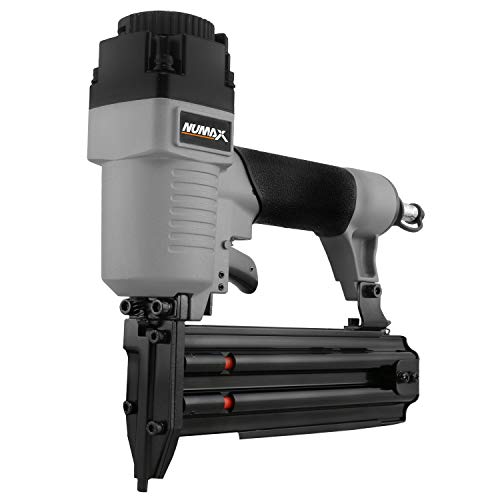
NuMax SBR50 Pneumatic 18-Gauge 2′ Brad Nailer
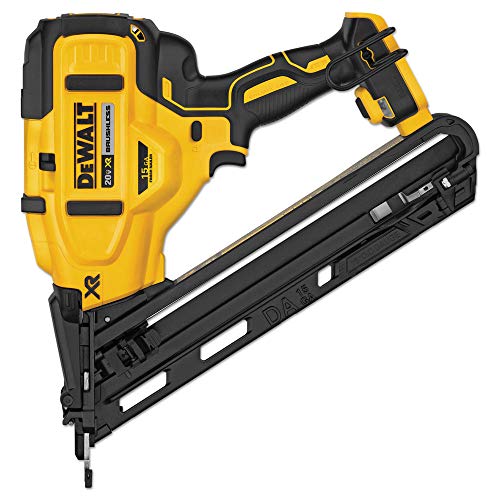
DEWALT DCN650B Angled Finish Nailer 20V 15Ga

SENCO FinishPro 18MG ProSeries Brad Nailer
More Details On Our Top Picks
This WEN setup is the easy entry point in the group because it includes the battery and charger, so you’re not piecing together a starter kit before you can hang trim. For home projects like chair rail, window casing, or small repairs, that matters more than flashy extras.
It’s an 18-gauge brad nailer, which means it uses slimmer fasteners that leave smaller holes and suit lighter finish work. The trade-off is plain, though, since 18-gauge brads are not the right answer for every heavy trim job.
Strong Points
- Battery and charger come in the box, so you can get moving without hunting for extras.
- Cordless operation keeps you clear of hoses, which helps in tight rooms and upstairs work.
- The 18-gauge format leaves neat fastening points for baseboard touch-ups and lightweight molding.
- It fits the kind of occasional trim project where convenience matters more than a pro cart setup.
Things To Consider
- 18-gauge brads are slimmer than finishing nails, so heavier trim may call for a different tool.
- Battery-powered tools need charging and storage attention, especially in a garage that swings hot or cold.
- You’re looking at a more compact trim tool, not a substitute for every fastening task in a workshop.
Core Details
Who It Suits Best
DIY trim installers and weekend renovators who want a cordless starter setup will get the most from this one.
Where A Sibling Pick Shines
Makita XNB02Z 18V LXT Straight Finish Nailer 16 Gauge suits you better for thicker finish work that needs 16-gauge nails instead of slimmer brads.
This Makita leans into a more traditional finish-nailer lane, because 16-gauge nails are well suited to trim that needs a bit more holding power than brads. The straight magazine keeps the tool straightforward in layout, which helps in open rooms and along longer wall runs.
You also avoid the drag of a compressor and hose, and that’s a real plus for punch-list work in finished spaces. The trade-off is that battery is sold separately, so the upfront setup matters more than it does with the WEN kit.
What We Like
- Drives 16-gauge straight finish nails from 1 inch to 2 1/2 inches.
- Cordless design keeps floor clutter down during interior trim work.
- Reported battery efficiency is strong enough to keep pace with larger trim runs when paired with a 5.0Ah pack.
- The straight-format layout suits you well on standard casing and base projects.
Worth Noting
- The battery is not included, so you need an 18V LXT pack before you can put it to work.
- Straight bodies can feel less nimble than angled tools in corners or tight cabinet zones.
- At this level, storage and battery care matter, especially if the tool sits between projects for a while.
Feature Snapshot
Best Suited To
You’ll like this most for interior finish work where 16-gauge fasteners make more sense than smaller brads.
Another Choice May Suit
DEWALT DCN650B Angled Finish Nailer 20V 15Ga fits you better for tighter corners and more demanding trim layouts.
That 23-gauge format tells you exactly where this tool belongs, in delicate trim work where tiny pins matter more than holding force. In a shop making picture frames or small decorative pieces, the reduced footprint can feel like a natural fit.
Compared with the WEN and Makita picks, this one sits at the fine-detail end of the category. The trade-off is equally clear, because pin nails are for subtle fastening rather than load-bearing trim.
Positives
- 23-gauge pins leave very small entry points for visible decorative work.
- The compact cordless form suits light trim tasks and tabletop projects.
- That smaller profile makes it easier to handle in cramped craft spaces.
Small Caveats
- Pin fastening is best for finesse, not for jobs that call for serious holding power.
- You may need to plan storage carefully so the compact tool and pins stay organized.
Details At A Glance
Whose Shelf It Belongs On
You’re the right match for this pick if you spend more time on delicate trim, small craft builds, or light finishing touches than on heavier carpentry.
A Better Fit Elsewhere
SENCO FinishPro 18MG ProSeries Brad Nailer suits you better when your trim work needs broader 18-gauge brads and a more conventional finish layout.
This Metabo HPT setup feels built for steady trim work because it pairs an 18-gauge brad format with a compact cordless body. The included 2.0Ah battery keeps the package self-contained, and the 5/8-inch to 2-inch nail range covers a useful spread for cabinets, casing, and finish details.
It also claims about 700 shots per charge, which gives you a sense of how far a single battery can go before you need to swap or recharge. The catch is simple, though, since serious users may still want a second pack on hand for a long workday.
Bright Spots
- Brings the battery and charger into the kit, so the setup feels complete from the start.
- The 18-gauge range works well for common interior trim tasks.
- Compact sizing helps in rooms where cords and hoses become a nuisance.
- MultiVolt compatibility broadens the battery conversation for tool owners already in that ecosystem.
Areas To Watch
- Longer trim sessions may call for a backup battery, depending on your schedule.
- Like most cordless nailers, it adds charging and battery storage into your routine.
Quick Facts
Perfect Match For
You’ll get the most value from this one for repeated trim installs, punch-list work, and cordless convenience in finished rooms.
Look Elsewhere When
NuMax SBR50 Pneumatic 18-Gauge 2″ Brad Nailer suits you better if you already run an air compressor and want a pneumatic setup.
This CRAFTSMAN option makes the most sense for someone already in the V20 ecosystem, because it’s the bare tool rather than a full starter bundle. That keeps the package lean, which can be handy in a garage full of shared batteries and chargers.
The motor claim of up to 420 nails per charge points to decent runtime for smaller trim lists. Compared with the Metabo HPT kit, the trade-off is obvious, since you’re expected to already own the battery side of the setup.
Best Bits
- Bare-tool format suits existing CRAFTSMAN V20 owners.
- Runs cordless, so you can work around painted walls and finish floors more easily.
- Up to 420 nails per charge gives a workable range for lighter jobs.
- Compact format makes it easier to store in a crowded tool cabinet.
Room For Improvement
- You need a compatible battery and charger already in hand.
- The runtime figure is better suited to modest projects than all-day trim marathons.
- Like most bare tools, it rewards organized storage so the battery system stays paired up.
Core Details
Built With In Mind
This fits you best if your workshop already runs CRAFTSMAN V20 batteries and you want a simple add-on for finish carpentry.
Swap It Out When
WEN 20V Max Cordless 18-Gauge Brad Nailer (20512) fits you better if you want the battery and charger bundled together from the start.
Air-powered tools still make sense in a fixed shop, and this NuMax is aimed squarely at that setup. It’s designed for decorative trim, baseboards, crown moulding, casing, chair rails, and even picture-frame assembly, so the use case is broad without getting fancy.
Compared with the cordless picks above, the trade-off is the compressor and hose you need to keep nearby. That extra gear is a hassle in small rooms, but it can feel normal in a workshop where air tools already live on the bench.
Highlights
- Works well for a long list of trim and furniture tasks.
- 18-gauge brads are a familiar fit for finish carpentry.
- Pneumatic design can suit a shop that already runs air lines.
Points To Note
- You need compressor support, which adds setup and storage demands.
- It feels less convenient for quick repairs in finished rooms.
- Keeping the hose and fittings organized matters more here than with cordless picks.
Feature Rundown
Right Fit For
You’ll appreciate this most in a workshop or garage where air tools are already part of the setup.
Reach For A Different Pick When
DEWALT DCN650B Angled Finish Nailer 20V 15Ga suits you better for cordless work in finished interiors.
This DEWALT stands apart because the angled layout is useful in corners, cabinets, and other tight spots where a straight tool can feel awkward. The 15-gauge format also sits a little heavier than the brad nailers above, so the fastening feels better suited to more demanding finish work.
You can think of it as the pick for trim jobs where access matters as much as speed. The trade-off is weight and bulk relative to slimmer brad tools, so all-day overhead work may feel less comfortable than with a lighter body.
Reasons To Buy
- Angled magazine helps you reach into tighter trim spaces.
- 15-gauge nails add a stronger finish-carpentry feel than brads.
- Cordless operation keeps project areas cleaner and less crowded.
- Well suited to detailed work around cabinetry and interior molding.
Honest Caveats
- The stronger format can feel bulkier than smaller brad nailers.
- Battery management still applies, so charging habits matter.
Spec Overview
Whose Shelf It Belongs On
This suits trim carpenters and serious DIYers who need more reach in tight spaces and prefer a cordless routine.
Where Another Pick Suits Better
Makita XNB02Z 18V LXT Straight Finish Nailer 16 Gauge fits you better when you want a straighter body and a lighter fastening style.
The SENCO feels more like a working pro tool than a casual trim helper, especially with the magnesium body and oil-free design. That mix matters in cabinet shops and finish-heavy renovations, where you want less routine mess and a lighter body in hand.
The selectable trigger and tool-free depth adjustment make setup easier to tailor for different surfaces, and the 110-nail magazine adds a practical amount of capacity. Compared with the CRAFTSMAN and WEN models, this one is the more polished choice for people who spend a lot of time on trim.
Positives
- Magnesium body keeps the tool light without feeling flimsy on paper.
- Oil-free operation helps cut down on routine mess around the workshop.
- Selectable trigger gives you more control over how the tool fires.
- Tool-free depth adjustment makes it easier to match different surface needs.
- 110-nail magazine supports longer stretches between reloads.
Worth Noting
- The pro-style setup makes the most sense for users who finish a lot of trim.
- A larger magazine can add a bit of size compared with lighter compact nailers.
- It still rewards careful storage and cleaning, especially in a dusty shop.
Feature Card
Who Should Grab It
This is a strong match for finish carpenters and serious remodel work where trim quality and adjustment control matter.
Not Your Match When
PIN NAILER CMPCT 20V 23G suits you better for tiny decorative fastening where a brad gun feels too aggressive.
How To Choose The Right Finish Nailers
Gauge and fastener length
Gauge tells you how thick the nail is, and that choice shapes both holding strength and the size of the hole left behind. An 18-gauge brad nailer, like the WEN, CRAFTSMAN, Metabo HPT, and SENCO picks here, works well for lighter trim, while a 16-gauge model such as the Makita adds a sturdier fastening feel. A 15-gauge angled tool like the DEWALT gives you even more presence for tougher finish jobs, but it also moves you a step away from delicate trim work.
Cordless, pneumatic, or kit-based
Cordless finish nailers make the day easier in finished rooms, upstairs hallways, and quick repair work because you’re not dragging a hose behind you. Pneumatic tools, like the NuMax, still make sense in a shop with a compressor already in place, and they often fit repeat bench work neatly. Kit-based cordless models matter too, since the WEN and Metabo HPT include battery support, while the Makita and CRAFTSMAN assume you already own part of the platform.
Weight, grip, and access
A lighter body can save your wrists during long casing runs, and features like magnesium construction on the SENCO help on that front. Angled magazines, like the DEWALT’s, can be the difference between an easy shot and an awkward body twist in a corner cabinet or tight stair trim. Straight tools stay simple and familiar, but they don’t always sneak into confined spots as gracefully.
Runtime and maintenance
Battery count, charge time, and magazine size all matter more than they sound on a product page. A compact brad nailer with a small battery can be perfectly fine for weekend trim, yet a larger job may call for a second pack or a higher-capacity setup. Oil-free design, tool-free depth adjustment, and easy cleaning also save time later, especially in a garage or shop where dust settles fast.
A Quick Reality Check
Wrong Turns To Avoid
A common mistake is buying on gauge alone and forgetting access, power source, and battery setup. A straight 16-gauge tool makes sense for many rooms, but it may feel clumsy in a tight cabinet corner where an angled body would behave better. Another easy miss is skipping the battery ecosystem check, which leaves you with a tool that needs extra purchases before it can work.
The Case For Spending Up
Higher-tier finish nailers usually pay for better body materials, clearer trigger control, smarter depth adjustment, and more practical magazine design. That extra money also often buys you better ergonomics, which matters a lot during long crown moulding runs or punch-list days with repeated overhead shots. You don’t need the premium path for every room, but it starts to make sense once trim work becomes a regular part of your routine.
Closing Thoughts
The right finish nailer depends on how you work, not just what the box says. A cordless brad nailer makes life easier for repairs and remodels, while a pneumatic option still fits a dedicated shop. For delicate detail work, the small-pin route has its place, and for heavier trim, 15-gauge or 16-gauge tools make more sense. Match the tool to the room, the material, and the amount of use you expect, and the choice gets much simpler.