Finishing work asks for control, not brute force. You want a sander that smooths edges, handles tight corners, and leaves less cleanup behind, whether you’re refreshing trim, shaping wood craft pieces, or refining a larger panel before stain. This roundup focuses on seven tools and accessory choices that fit different shop setups, from air-powered orbital sanders to detail blocks and replacement pads.
You’ll also see where each option fits best, because a 6-inch pneumatic tool, a 1/4-sheet corded sander, and a micro detail kit solve very different problems. That makes the right choice easier, and a wrong-sized tool less likely to end up in your hand at the worst moment.
Quick Look At Our Shortlist

Dynabrade Dynorbital-Spirit 6-inch Random Orbital Sander 3/32-inch Orbit

Dynabrade Air Random Orbital Sander 0.15HP 3-Inch

BOSCH GSS20-40 Orbital Finishing Sander 1/4-Sheet
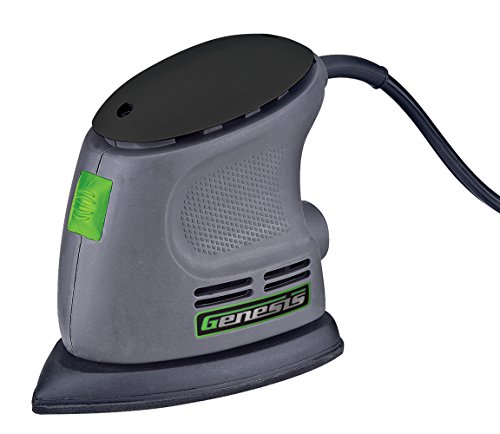
Genesis Detail Palm Sander GPS080

90PCS Premium Micro Detail Sander Kit 3-in-1 Mini Hand Block

MAXXT Electric 5mm Random Orbital Sander Brushless 350W

6-Pack Replacement Self Adhesive Foam Sander Pad Back Mat 4510
More Details On Our Top Picks
For larger flat surfaces, this 6-inch pneumatic sander feels built for steady, controlled finishing rather than quick stock removal. The 3/32-inch orbit, which means the pad travels in a small circular pattern, helps you keep the finish more even, and that suits cabinet panels, tabletops, and bodywork touch-ups where consistency matters more than speed.
Compared with the smaller Dynabrade 58500, this one gives you more coverage per pass, so it makes more sense once you’re moving across broader panels. The honest trade-off is that the non-vacuum setup means dust management depends on your shop setup, so it fits best in a space where you already have extraction or don’t mind a separate cleanup step.
Strong Points
- Six-inch pad covers wide areas without feeling oversized.
- Small orbit helps leave a more uniform surface.
- Pneumatic drive suits shop air setups with steady use.
- Good match for finish sanding before stain or paint.
Worth Noting
- Needs compressed air, so it’s tied to a compressor setup.
- Non-vacuum design leaves dust collection to your workspace.
- Size can feel bulky for small trim pieces.
Feature Snapshot
Who It Suits Best
Woodworkers and detail-minded shop users who want a broad, controlled finish on larger pieces will get the most from it.
A Better Fit Elsewhere
Dynabrade Air Random Orbital Sander 0.15HP 3-Inch suits tighter spaces and smaller parts more naturally than this six-inch model.
This 3-inch air sander leans into detail work, where smaller contact areas help you stay precise around edges, parts, and awkward curves. The 0.15HP rating, which describes a modest air-motor power level, points to a lighter-duty feel than the bigger Dynabrade 59040, and that’s useful for delicate finishing rather than broad panel sanding.
You may find it especially handy in a home shop where the workbench stays crowded and small parts move from one task to the next. The trade-off is straightforward: less pad size means slower progress on large surfaces, so it’s a better match for control than for speed.
What We Like
- Three-inch pad keeps the tool nimble in tight spots.
- Air-powered setup suits users already set up for pneumatic tools.
- Smaller footprint helps with edges and shaped pieces.
Small Caveats
- Less surface coverage than the 6-inch Dynabrade option.
- Depends on compressor access for day-to-day use.
- Best suited to detail work, not large flats.
Core Details
Made For
Detail-focused woodworkers and hobbyists working on small components, trim, or curved sections will appreciate the compact feel.
Another Choice May Suit
MAXXT Electric 5mm Random Orbital Sander gives you a corded, brushless setup that suits people who want powered sanding without air hoses.
Sheet sanders behave differently from random-orbit models, and that difference matters here. This BOSCH uses 1/4-sheet abrasive, so you can load common cut sheets and keep expenses predictable, while the 2 amp motor gives it enough backbone for routine finishing jobs around the house or workshop.
The dust collector is the feature that changes daily use most, since it captures debris at the tool instead of pushing all of it into the room. Compared with the Dynabrade pair, this one feels more at home for a person who wants a corded finishing tool with simple consumable handling and less reliance on shop air.
Upsides
- 1/4-sheet format makes abrasive replacement simple.
- Dust collector helps keep the work area cleaner.
- 2 amp motor suits common finishing tasks.
- Good fit for steady home-shop sanding routines.
Room For Improvement
- Sheet format is less flexible on tight curves.
- Not as nimble as the smaller Genesis detail sander.
- Corded use keeps you near power access.
Details At A Glance
Best Suited To
Home renovators and casual woodworkers who want a straightforward corded finishing sander will find the format easy to live with.
Look Elsewhere When
Genesis Detail Palm Sander GPS080 makes more sense for tight trim, corners, and shaped pieces where a sheet sander feels too broad.
The palm-grip shape makes this Genesis model feel aimed at close work, especially where a larger sander gets awkward. The hook-and-loop system, which uses a textured backing to hold abrasive sheets in place, keeps paper changes simple, and the vacuum port gives you a cleaner path for dust handling than a bare palm sander.
You may appreciate the dust-proof power switch on longer sessions, since fine sanding dust has a habit of getting into the parts you touch most often. Compared with the BOSCH GSS20-40, this one is more compact and more edge-friendly, which is exactly why it belongs near trim, furniture repairs, and small project parts.
Best Bits
- Palm grip helps steady one-handed control.
- Hook-and-loop pad makes abrasive changes quick.
- Vacuum port supports cleaner sanding sessions.
- Works well on corners, trim, and repair jobs.
- Sandpaper included, so you can start sooner.
Areas To Watch
- Smaller footprint means slower progress on broad panels.
- Accessory life depends on how cleanly the paper is seated.
- Better for detail work than heavy surface leveling.
Feature Rundown
Whose Shelf It Belongs On
DIYers handling trim touch-ups, furniture edges, and small repairs will get the clearest benefit from it.
Where A Sibling Pick Shines
BOSCH GSS20-40 Orbital Finishing Sander 1/4-Sheet is a better fit for broader surfaces and more traditional sheet-sanding work.
This one shifts away from power tools and into hand control, which is handy for craft work, model details, and narrow joins. A 3-in-1 mini sanding block usually means a compact hand tool with interchangeable positions or faces, and that kind of setup helps you stay precise around small edges where even the Genesis palm sander feels too large.
The grit range from 60 to 400 covers both rough shaping and finer smoothing, so you can move through a project without changing tool families. The trade-off is obvious, though, since a hand kit asks more effort from you, and that suits patient work more than long sanding sessions.
Highlights
- Small hand block reaches tight spots easily.
- Wide grit spread supports staged finishing.
- Useful for crafts, models, and tiny repairs.
- Manual control helps reduce over-sanding risk.
Points To Note
- Hand sanding takes more time than powered options.
- Best results depend on keeping the paper sorted by grit.
- Less efficient for broad flat panels.
Core Details
Perfect Match For
Craft makers, hobby builders, and anyone cleaning up very small parts will get the most from this kit.
Swap It Out When
MAXXT Electric 5mm Random Orbital Sander suits larger woodworking tasks where powered motion saves time and effort.
This MAXXT is the most power-forward entry in the group, and the brushless motor is the detail that matters most for regular use. Brushless means the motor avoids physical brushes inside the housing, which often supports smoother operation and less routine wear, while the 5 mm orbit offers a middle-ground sanding path that works well for woodworking prep and finishing.
The variable-speed control gives you more room to match the surface, whether you’re easing through a softer board or working a more stubborn spot. Compared with the BOSCH sheet sander, this one feels more flexible for curved surfaces, but the corded setup still keeps you close to an outlet.
Reasons To Buy
- Brushless motor suits frequent woodworking sessions.
- 5 mm orbit balances removal and finish quality.
- Variable speed helps match different materials.
- 6-inch pad covers a useful amount of surface.
- Ten sanding papers get you started right away.
Honest Caveats
- Corded design limits reach compared with cordless tools.
- 6-inch pad may feel wide for narrow corners.
- Brushless hardware can add complexity versus simpler models.
Technical Sheet
Built With In Mind
Woodworkers who want a corded orbital sander for routine prep, shaping, and finish sanding will find the setup well matched.
Reach For A Different Pick When
Dynabrade Air Random Orbital Sander 0.15HP 3-Inch makes more sense for compact work areas and smaller pieces that need lighter touch.
This is the supporting item in the lineup, but it matters more than it first looks. Replacement foam back mats help preserve the pad feel on a compatible sander, and that matters once the original backing starts losing its shape or grip during repeated use.
Compared with the other picks here, it’s for upkeep rather than sanding sessions themselves, so you’re really buying continuity for an existing tool. The honest read is simple, this suits people who already own the matching sander and want to keep it working smoothly without replacing the whole unit.
Bright Spots
- Six-pack format keeps spares close at hand.
- Self-adhesive backing makes mounting straightforward.
- Useful for extending the life of a compatible sander.
Areas To Watch
- Only useful with the correct compatible tool.
- Adhesive surfaces need clean placement for best hold.
- Doesn’t replace the sander itself.
Core Details
The Right Fit
Tool owners maintaining a compatible Sander 4510 setup will find this the most sensible choice here.
Another Choice May Suit
Genesis Detail Palm Sander GPS080 is the better route for someone who needs a complete sanding tool instead of replacement parts.
How To Choose The Right Finishing Sanders
Match The Tool To The Surface
Pad size changes the whole feel of a finishing job. A 6-inch random orbital sander like the Dynabrade 59040 covers wide panels with fewer passes, while a 3-inch air tool feels calmer around trim, small parts, and curved edges.
Sheet sanders sit in the middle, especially for people who work with flat wood and want easy abrasive replacement. The BOSCH 1/4-sheet model makes that trade-off clear, since it favors simple consumables over the rounded reach of a random-orbit pad.
Think About Power And Setup
Air tools suit shops that already run a compressor, and they tend to feel natural in a more fixed workspace. Corded electrics, like the MAXXT and BOSCH picks, suit steady home use because you only need an outlet and a clear work area.
Manual kits are different again. The 90PCS micro detail set asks for elbow grease, but it pays off where precision matters more than speed, especially on tiny projects and craft pieces.
Look Closely At Dust And Control
Dust handling shapes comfort during longer sessions. The Genesis palm sander’s vacuum port, and the BOSCH dust collector, both help keep debris more contained, while the Dynabrade non-vacuum model leaves collection to your broader shop setup.
Control matters just as much. A hook-and-loop pad, dust-proof switch, or brushless motor can sound minor on paper, but each one changes how the tool feels after repeated use and how much cleanup you face afterward.
A Quick Reality Check
Mistakes Worth Dodging
Many sanding headaches start with the wrong size tool. A broad orbital sander on small trim can feel clumsy, and a tiny hand block on a tabletop can turn into a slow, tiring session.
Another common miss is ignoring dust handling. A tool with no built-in collection help can still work well, but you’ll want a clear plan for cleanup so the surface and workspace stay manageable.
The Upgrade Payoff
Higher-tier sanders usually cost more because of motor design, build quality, and better control features. Brushless motors, variable speed, and more refined dust management often show up in the pricier models, and those details matter once sanding becomes regular work instead of an occasional chore.
Spending more makes sense when you sand often, work on larger surfaces, or want a tool that stays more comfortable over long stretches. For lighter repair jobs or craft projects, a simpler option can be the smarter fit.
Final Thoughts
The right finishing sander depends less on hype and more on the kind of work you actually do. For broad panels, the Dynabrade 59040 and MAXXT stand out; for small spaces, the Dynabrade 58500 and Genesis GPS080 make life easier; and for detail work, the micro kit fills a different role entirely. Match the tool to your surfaces, your power setup, and how much cleanup you’re willing to handle, and you’ll end up with a much better sanding routine.