Working stained glass well usually comes down to fit, control, and not fighting your tools. You need a glass grinder setup that matches your workspace, your power source, and the kind of edges you shape most often. The right choice saves time in a busy craft corner and makes small corrections feel less fussy.
This roundup focuses on complete grinders, grinder bits, coolant, and accessory pieces that make sense for different shop routines. Some are better for steady bench work, while others suit occasional touch-ups or travel kits. You’ll also see where a simple accessory is the smarter call than a full machine.
The Shortlist At A Glance

Gryphon Gryphette Glass Grinder

Funrous Stained Glass Diamond Grinder Bit Head 1”

Novacan Grinder Coolant
Aanraku Glass Grinding Bit 3/4 Inch Twofers

Inland Craft WizCG Glass Grinder

Aanraku 3/4 TWOFERS 2 Grinder Bit

Delphi Glass Grinder Cookie

Sworker 20Pcs 120-Grit Diamond Grinder Bit 1/8 Shank
More Details On Our Top Picks
For a small stained-glass bench, this Gryphon unit feels easy to live with. The footprint stays compact, so it fits better than the bulkier Inland Craft WizCG Glass Grinder when your craft space also holds cutters, rulers, and a pattern stack.
The honest read is that you’re getting a straightforward grinder made for everyday edge work, not a sprawling machine with extra complexity. That makes it a sensible starting point for beginners and a low-drama backup for experienced makers who want a simple second station.
Strong Points
- Compact size suits tighter work tables.
- Simple setup helps you get started quickly.
- Easy day-to-day handling for routine edge shaping.
- Good fit for hobby spaces with limited storage.
Things To Consider
- Best for lighter shop routines, not heavy production.
- You may outgrow it once projects get larger.
Feature Snapshot
Who It Suits Best
Beginning stained-glass makers and hobbyists with modest bench space get the most from this one.
A Better Fit Elsewhere
Inland Craft WizCG Glass Grinder suits makers who want a more powerful bench machine with dual-bit flexibility.
This bit makes more sense than a full machine when your current grinder only needs a replacement head. The 1-inch size sits in a practical middle zone, while the copper body with diamond plating points to a tougher working surface than plain basic hardware.
You may appreciate that kind of upgrade if you make stained-glass panels often enough to wear through cheaper bits. The trade-off is simple, though, since a single replacement bit only helps if your grinder already uses the same fit and mounting style.
What We Like
- Diamond-plated surface suits abrasive glass work.
- Copper body gives it a sturdy feel on paper.
- Useful as a replacement instead of buying a whole new grinder.
Worth Noting
- You need compatibility with your existing grinder head.
- Bit care matters, since buildup can shorten clean grinding time.
Core Details
Made For
Shopper profiles who already own a compatible grinder and need a single replacement bit will get the clearest value here.
Not Your Match When
Funrous Stained Glass Diamond Grinder Bit Head 1” is less useful than Aanraku 3/4 TWOFERS 2 Grinder Bit for someone who wants a two-bit pack.
Coolant is the quiet helper in a stained-glass setup, and this one is aimed at keeping grinder sessions smoother. That matters most during longer shaping runs, where a tired bit can make the whole process feel scratchier than it should.
Compared with the hardware-focused picks above, this is the maintenance item that supports the machine rather than replacing it. It’s the sort of purchase that makes sense for anyone who already owns a grinder and wants to keep the routine cleaner and more manageable.
Bright Spots
- Supports regular grinder upkeep.
- Helps you keep a smoother work rhythm.
Small Caveats
- You still need to match it with the grinder routine you use.
- Storage matters, since any fluid product needs a tidy shelf spot.
Technical Sheet
Right Fit For
You benefit most from this coolant once your grinder sessions happen often enough to justify routine maintenance supplies.
Swap It Out When
Gryphon Gryphette Glass Grinder is the more relevant purchase when you still need the actual machine rather than a support item.
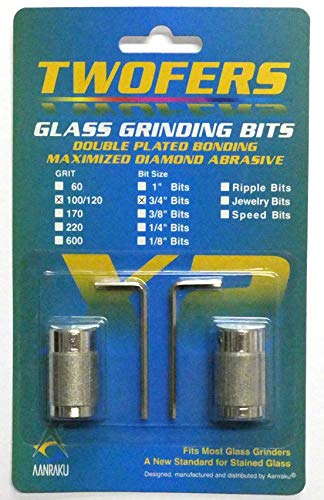
Two grinder bits in one package makes life easier when you move between projects or like to keep a spare close by. That simple convenience gives this Aanraku set a practical edge over the single-bit Funrous option, especially for home studios that run through bits at a steady pace.
The 3/4-inch size also makes it useful for common stained-glass shaping work without feeling oversized. It’s a tidy fit for crafters who want a dependable replacement pair rather than a pile of extras they may never use.
Highlights
- Two-piece pack gives you a spare on hand.
- 3/4-inch format suits common grinder routines.
- Useful for mosaics and stained-glass shaping work.
Areas To Watch
- You still need the right grinder fit.
- As with any bit set, wear depends on how often you grind.
Feature Card
The Right Fit
This suits stained-glass makers who want a spare bit set for regular bench use without stepping up to a full grinder machine.
Look Elsewhere When
Inland Craft WizCG Glass Grinder is the smarter pick for someone ready to upgrade from bits to a powered bench grinder.
This is the serious bench machine in the group, and the 115V motor puts it in a different lane from the smaller Gryphon Gryphette Glass Grinder. The dual-bit setup is especially useful for makers who switch between sizes often, since that cuts down on bit swapping during active sessions.
The trade-off shows up in the power requirement and the more dedicated footprint. In a workshop with a stable 115-volt outlet, the rustproof and impact-resistant build makes a lot of sense for steady stained-glass routines.
Reasons To Buy
- 115V motor supports more demanding shop work.
- Two bit sizes help you move between tasks faster.
- Compact build still works for portable setup needs.
- Strong fit for shaping and drilling tasks.
- Materials are described as rustproof and impact resistant.
Points To Note
- It only works on 115-volt electrical systems.
- That power limit makes it a poor match for 220-volt regions.
- More machine to store, clean, and keep organized.
Details At A Glance
Built With In Mind
Experienced stained-glass makers and dedicated hobby studios will get the most from this machine.
Where A Sibling Pick Shines
Gryphon Gryphette Glass Grinder is easier to place in a smaller corner, so it suits lighter home setups better.
Dual-grit bits are handy when you want one accessory to handle more than one stage of shaping. The 100/120 regular grit setup gives this Aanraku bit a practical rhythm, which suits stained-glass work that moves from rougher edge correction to finer touch-ups.
Compared with the Funrous single bit, this one feels like the steadier all-around accessory for someone who wants a classic stained-glass setup. It’s still only one part, of course, so the value depends on already owning a grinder that accepts the bit.
Plus Points
- Two grit levels support a broader range of shaping steps.
- Works well for stained and fused glass tasks.
- Simple accessory choice for routine shop use.
Room For Improvement
- Needs compatible grinder hardware.
- Like any abrasive bit, upkeep and cleaning matter.
Core Details
Whose Shelf It Belongs On
You’ll get the most from this bit set if your grinder sees regular use and you want a familiar two-grit option.
Skip It When
Funrous Stained Glass Diamond Grinder Bit Head 1” is the better match for someone who specifically needs a single replacement bit size.
A grinder cookie is the kind of small add-on that helps a workstation stay orderly. Since it comes from Delphi Glass, it reads like a simple support piece rather than a replacement for the grinder itself, so it fits best in a craft area where every little tool has a place.
That makes it a sensible companion for makers who already own a grinder and want a neat accessory rather than another motorized unit. The trade-off is obvious, since this solves a narrower problem than the full machines above, but not every bench needs more complexity.
Best Bits
- Small accessory takes very little storage room.
- Helpful as part of a tidy craft setup.
Minor Gripes
- It’s an accessory, so it won’t replace a grinder.
- Its usefulness depends on how your bench is already arranged.
Feature Rundown
Who Should Grab It
This belongs with organized hobby stations where a small support piece can make the whole setup feel easier to manage.
Reach For A Different Pick When
Gryphon Gryphette Glass Grinder is the clearer choice for anyone who still needs the actual grinding machine.
Rotary tool users often want flexibility more than a single dedicated grinder bit, and this Sworker set is built around that idea. With twenty pieces, six head shapes, and a 1/8-inch shank compatibility note, it suits work where you switch between carving, engraving, and shaping across different materials.
The trade-off is that this is an accessory kit, not a stained-glass machine, so it fits better as a companion to an existing tool collection. For a craft bench that already runs a Dremel-style setup, it gives you a lot more shape variety than the simpler single-bit picks.
Upsides
- Twenty-piece kit gives you many replacement options.
- Six head shapes broaden the kinds of detail work you can tackle.
- Included bag and box help keep parts organized.
- Compatible with 1/8-inch shank rotary tool setups.
Softer Spots
- It’s aimed at rotary tools, not bench grinders.
- The large kit size asks for careful storage and sorting.
Spec Overview
Perfect Match For
You’ll get the clearest benefit from this set if your glass work happens through a compatible rotary tool and you want plenty of shape choices.
A Better Fit Elsewhere
For a dedicated bench grinder in a stained-glass studio, Inland Craft WizCG Glass Grinder is the more direct match.
How To Choose The Right Glass Grinder For Stained Glasses
Match The Tool To Your Work Style
A full grinder machine makes sense for steady stained-glass shaping, while a bit pack fits a shop that already has compatible hardware. The difference matters because the machine handles the workbench rhythm, but the bit handles only the part it touches. Makers who cut panels weekly usually benefit from a powered unit, while occasional crafters often get more value from a replacement bit or coolant.
Power also shapes the experience. The Inland Craft WizCG Glass Grinder asks for a 115-volt setup, which suits a standard home bench in the US and similar spaces, but not every outlet situation works the same way. Accessory items avoid that issue, though they rely on an existing tool that already fits the shank or bit size.
Size, Control, And Workspace Matter
In a cramped craft room, compact footprint matters more than a long feature list. A smaller grinder like the Gryphon Gryphette Glass Grinder is easier to place beside a light table, while a larger bench unit belongs in a space where it can stay put. The right balance keeps your workspace from feeling crowded before you even start a project.
Control is the other half of the equation. A 3/4-inch bit gives common shaping coverage, while a 1-inch bit or dual-bit machine can feel better for broader work or faster switching. For detailed edges and smaller pieces, a rotary-tool accessory set can be more precise, though it asks more from your hand steadiness.
Think About Bit Compatibility And Replacement Parts
Compatibility is where many purchases go wrong. A bit with a 1/8-inch shank needs the right rotary tool or attachment system, and a replacement head only helps when the grinder already accepts that exact style. Checking the fit first saves you from ending up with a part that looks right on paper but does nothing useful on the bench.
Replacement parts also affect long-term ownership. Diamond-coated bits wear differently from support fluids and cookies, so the upkeep plan changes depending on what you choose. Makers who grind often usually appreciate owning a spare bit or a coolant bottle, because a smoother workflow matters as much as the tool itself.
Decide How Much You Want To Spend On Convenience
There’s a real difference between a basic accessory and a more complete machine setup. Higher-tier grinders tend to offer stronger motors, dual-bit flexibility, and sturdier body materials, which helps when you spend long evenings shaping glass. That extra capability also brings a more specific power requirement and more bench space to manage.
Upgrades make the most sense for frequent makers and anyone working on larger projects. Casual hobbyists often do fine with a replacement bit, coolant, or a small support piece, especially when the main grinder already lives on the bench. The right spend is the one that fits your pace, not the one with the longest feature list.
Things Worth Knowing First
Mistakes Worth Dodging
Many shoppers jump straight to a grinder machine and overlook compatibility. A bit, shank, or power requirement can make or break the setup, so the listing details deserve a careful look. That matters even more in a compact studio, where every purchase has to earn its shelf space.
Another common miss is buying a large accessory kit when a single replacement would solve the problem more cleanly. Spare parts are helpful, but only when you actually use them. A tidy setup usually starts with the simplest useful item, not the biggest box.
What The Higher Tier Buys
More expensive grinder setups usually pay for stronger motors, more flexible bit choices, and better housing materials. Those things matter during longer shaping sessions, where a lighter-duty tool can feel tired before you do. The upgrade is worth it for frequent studio work, especially on larger stained-glass panels.
For casual craft nights, the premium route can be more machine than you need. A solid bit or coolant may solve the immediate issue without taking over your workspace. That smaller purchase often makes better sense until your project load grows.
Final Thoughts
Your best glass grinder for stained glasses depends on the kind of work you actually do, not the longest feature sheet. A compact machine fits a modest bench, a stronger 115V unit suits a dedicated studio, and accessory pieces make sense when your current setup still has room to improve. Keep the fit, power needs, and bit style in view, and the right choice becomes much clearer. The smartest setup is the one that feels easy to use again next week.