You want a grinder setup that matches the way you work, not just a pretty listing. Some stained glass projects call for a full machine, while others only need the right bit, pad, or support tool to clean edges and keep shaping steady.
This roundup keeps that split in view, so you can compare hand sanding pads, grinder bits, and complete machines without wading through fluff. It suits hobbyists starting their first panel, studio crafters refining repeat work, and anyone upgrading a cramped workbench.
The Shortlist At A Glance

EGOFIX Diamond Hand Polishing Pads 4-Pack

Gryphon Gryphette Glass Grinder

ASG Nick’s Grinder Mate

Ecarke Diamond Grinder Bit Head Tools 4 Sizes

Funrous Glass Grinder Bit 1 Inch

Funrous Glass Grinder Bits 3-Piece Set
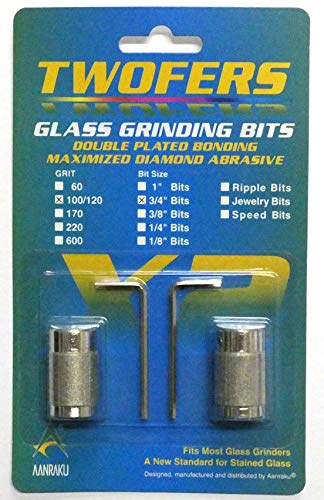
Aanraku Glass Grinding Bit 3/4 Inch Twofers

Inland Craft WizCG Glass Grinder
Hand pads like this make sense for the finishing stage, especially when your project only needs edge cleanup rather than machine grinding. The four grit levels, 60, 100, 200, and 400, give you a simple climb from rough smoothing to finer refinement without loading your bench with extra tools.
That makes this EGOFIX set a sensible companion to the more tool-heavy options below, including the Gryphon and Inland Craft machines. The trade-off is obvious, you get control and portability, but you also accept slower progress on larger pieces and more manual effort in a busy craft session.
Strong Points
- Four grit steps help you move through shaping and finishing in order.
- Handheld format suits small repairs, travel kits, and limited bench space.
- Works well as a quiet backup alongside a powered grinder.
- Simple setup keeps maintenance and storage easy.
Small Caveats
- You’ll spend more time on larger edges than you would with a grinder bit.
- Manual pressure matters, so consistent results depend on a steady hand.
- The set is better for finishing than for heavy material removal.
Feature Card
Who It Suits Best
It suits hobbyists who finish small stained glass pieces by hand and want a compact, low-fuss sanding step.
Where A Sibling Pick Shines
Gryphon Corporation’s Gryphette Glass Grinder fits you better when you shape glass often and want a dedicated machine instead of manual pads.
This is the kind of compact grinder that fits a real hobby corner without taking over the room. For someone who works on stained glass in a spare room, basement, or tight craft table, a smaller footprint can matter more than a long list of extras.
Compared with the hand pads from EGOFIX, this one shifts you into repeatable machine shaping, which matters once your projects get larger or more frequent. The honest read is that a dedicated grinder is easier on your hands over time, though you’ll still want to keep the basin clean and manage slurry buildup like you would with any wet grinder setup.
What We Like
- Compact shape suits cramped work areas.
- Dedicated machine use helps with steady, repeatable shaping.
- Good fit for regular stained glass sessions.
- Leaves hand fatigue behind once you move past sanding blocks.
Areas To Watch
- You’ll need bench space for a machine instead of a small hand tool.
- Cleaning around the grinder area takes more attention than a pad set.
- It makes more sense for ongoing craft work than occasional touch-ups.
Core Details
Built With In Mind
It suits stained glass hobbyists who want a compact powered grinder for routine shaping and controlled edge work.
Another Choice May Suit
Inland Craft’s WizCG Glass Grinder fits you better when you want a larger, more feature-forward machine with two bit sizes in the box.
Support accessories like this matter when your hand starts drifting during long shaping sessions. The Grinder Mate is aimed at helping you keep the work more controlled, which can be useful in stained glass where edge accuracy often saves time later.
It sits closer to a workshop helper than a full machine, so the value depends on how much you already have on your bench. Compared with the Gryphette, this is a narrower tool, but it may be the better fit for someone who already owns a grinder and wants steadier handling without replacing the main setup.
Highlights
- Supports more controlled hand movement during grinding.
- Useful alongside an existing grinder setup.
- Small accessory form keeps storage simple.
Points To Note
- It supports the job rather than doing the grinding itself.
- Value depends on whether your current setup already feels stable.
- Best results come from pairing it with regular bench care and clean surfaces.
At A Glance
Who Will Love This
It suits stained glass crafters who already grind regularly and want steadier control at the bench.
Reach For A Different Pick
Gryphon Corporation’s Gryphette Glass Grinder makes more sense if you need the main grinding machine, not just a helper accessory.
Bit sets like this are the middle ground between simple hand finishing and a full grinder machine. With four sizes and four matching Allen wrenches, you get more flexibility for different shaping tasks without chasing separate parts right away.
The brass core is the part that matters most in day-to-day use, because it is meant to reduce binding on the shaft and help the bit stay smoother in the grinder. Compared with the single-purpose feel of the Funrous one-piece option, this set gives you more room to move across different glass shapes, though setup takes a little more attention.
What We Like
- Four sizes cover a wider spread of shaping needs.
- Four matching Allen wrenches simplify fitting and adjustment.
- Brass core design helps with smoother shaft movement.
- Diamond-coated surface is aimed at durable grind performance.
- Better suited to mixed project work than a single-size bit.
Worth Noting
- Bit swaps take more time than a fixed hand tool.
- It makes sense only if your grinder already accepts this style of bit.
- Storage stays easy, but keeping the small wrenches together matters.
Technical Sheet
The Right Fit
It suits stained glass hobbyists who already own a compatible grinder and want a flexible bit set for varied shaping work.
Skip It When
Funrous’s three-piece bit set is the better match if you want fewer parts to store and a simpler starter kit.
Single-bit kits keep things straightforward, and that can be a relief on a crowded craft bench. This Funrous option focuses on one 1-inch bit, so you get a narrow setup for a specific grinder task instead of juggling a whole kit.
It shares the same copper body and diamond-plated surface language as the larger Ecarke set, but the smaller package makes sense for occasional use or as a backup. The trade-off is plain, you gain simplicity, but you give up the flexibility that multiple sizes bring.
Bright Spots
- Single-bit format stays easy to store and track.
- Useful as a backup bit for occasional glass shaping.
- Copper body with diamond plating aims for strong wear support.
Softer Spots
- One size means less flexibility than the Ecarke multi-bit set.
- It suits a narrower range of shaping tasks.
- You still need a compatible grinder and routine cleaning after use.
Details At A Glance
Best Suited To
It suits stained glass crafters who want a simple, single-size grinder bit for light to moderate shaping.
Look Elsewhere When
Ecarke’s four-size grinder bit set is the better fit when you need more size choices for varied glass work.
This three-piece set feels more practical than a single bit because it gives you three common sizes without turning your storage box into a jumble. The 1-inch, 3/4-inch, and 1/4-inch sizes cover a useful spread for everyday stained glass shaping.
Compared with the Ecarke set, it is a simpler route into multi-size grinding, and that may be exactly what your bench needs. The copper body and diamond-plated surface point toward the same basic durability idea, though the real benefit here is balance rather than sheer breadth.
Upsides
- Three common sizes give you more flexibility than a single bit.
- Good middle ground for frequent hobby use.
- Compact enough to keep your parts drawer orderly.
- Diamond-plated grinding surface supports stained glass shaping tasks.
Room For Improvement
- It still needs a compatible grinder and regular cleaning.
- You get fewer options than the Ecarke four-size set.
- Storage stays simple, but keeping each size labeled helps.
Spec Overview
Who Should Grab It
It suits stained glass crafters who want a compact three-bit kit for regular workshop use.
Swap It Out When
Ecarke’s four-size grinder bit set makes more sense if you want the widest range of bit choices in this group.
Two bits in one package keep the category plain and useful, and that appeals to anyone who likes to keep backup parts on hand. The 3/4-inch size is a common middle ground for stained glass grinding, so this set is aimed at regular workshop rhythm rather than specialty jobs.
Compared with the Funrous three-piece set, this Aanraku option is more focused, which can be a plus for crafters who already know the size they reach for most. You may find it especially handy in a shared studio, where having an extra bit ready cuts down on interruptions and keeps cleanup simpler.
Reasons To Buy
- Two-piece package gives you a spare on hand.
- 3/4-inch size suits common grinding tasks.
- Simple format works well for regular replacement planning.
Minor Gripes
- Less flexible than the multi-size Ecarke and Funrous sets.
- Best value shows up only when you use the same bit size often.
- Bit storage is easy, but it still helps to keep track of wear over time.
Feature Rundown
Whose Shelf It Belongs On
It suits stained glass crafters who use a 3/4-inch bit often and want a clean spare in the drawer.
Where Another Pick Shines
Funrous’s three-piece grinder bit set fits better if you want a broader spread of sizes for mixed projects.
For a dedicated stained glass station, this is the most fully formed machine in the group. It comes with two diamond grinding bits, 3/4 inch and 1/4 inch, so you can switch between tasks without stopping to source extras right away.
The 115V motor and 30 oz-in torque point to stronger day-to-day capability than the smaller Gryphette, and the lightweight, rustproof, impact-resistant build is aimed at portability as well as durability. The catch is simple, it only fits 115-volt electrical systems, so it’s a poor match for regions that run on 220 volts.
Positives
- Two included bit sizes give you a useful start for shaping and drilling.
- 30 oz-in torque helps with more demanding glass work.
- Lightweight build suits artists who move their setup around.
- Rustproof, impact-resistant materials make sense for a workshop tool.
- Good fit for regular projects where a full grinder station pays off.
Points To Watch
- 115V-only operation limits where you can use it.
- It asks for more bench commitment than the compact Gryphette.
- Keeping water and debris managed matters, as with any wet grinder.
Key Specs
Perfect Match For
It suits serious stained glass crafters who want a full grinder station for shaping, drilling, and regular bench work.
A Better Fit Elsewhere
Gryphon Corporation’s Gryphette Glass Grinder fits better if you need a smaller machine for a tighter workspace.
How To Choose The Right Grinder For Stained Glasses
Match The Tool To The Stage Of Your Project
Hand pads make sense for final smoothing, especially on small panels, replacement pieces, and cleanup after cutting. Grinder bits fit the middle of the process, where you shape edges and adjust curves before fitting foil or lead. Full machines handle the heaviest shaping load, so they matter most when you build often or work on larger sheets.
That split saves money and bench space. A hobbyist finishing a weekend sun catcher can stay light with pads, while someone producing repeat panels will feel the value of a dedicated grinder station.
Bit Size And Surface Matter More Than Flashy Extras
In this category, bit size changes how the glass moves against the tool. Smaller bits suit tight corners and detail work, while larger ones help with broader curves and faster material removal. Diamond plating gives the abrasive surface the bite needed for glass, and brass cores can help the bit run more smoothly on the shaft.
That means the right choice depends on the shapes you cut most often, not on how crowded the listing looks. A three-size kit can cover many home projects, while a single bit or two-pack works better for repeat use of one preferred size.
Think About Your Work Area And Electrical Limits
Bench space, cleanup habits, and outlet compatibility matter as much as cutting speed. A small room benefits from a compact grinder like the Gryphette, while a dedicated craft space can justify the larger WizCG. Electrical fit matters too, since the Inland Craft machine is built for 115V systems only.
The practical question is not just which tool looks stronger, but which one fits the room you actually use. A tidy setup tends to stay in use longer, and that keeps the grinder from becoming a cabinet decoration.
What To Weigh Before You Choose
Common Shopping Slip Ups
One common mistake is treating a grinder bit set like a full grinder machine. The bit can shape glass, but it still needs a compatible base tool and a little setup discipline. Another easy miss is buying one size when your projects move between tight corners and wider curves.
You also want to think about cleanup before the box arrives. Wet grinding creates slurry, so the grinder or work surface needs routine care, and small parts are easier to lose than they look in a product photo.
The Upgrade Payoff
Higher-tier models cost more because you usually get more motor strength, better housing materials, or a more flexible bit bundle. In this category, that often means less slowing down on thicker glass and more confidence during repeat work. A full machine also tends to fit regular craft sessions better than a hand tool alone.
The upgrade makes the most sense when you grind often enough that hand fatigue, speed, and setup time all start to matter. For occasional edge cleanup, simpler tools stay easier to live with.
Closing Thoughts
Your best grinder for stained glasses depends on how much shaping you do and how much room you have to do it. The EGOFIX pads suit light finishing, the Gryphon and Inland Craft machines cover serious bench work, and the bit sets land in the middle for flexible shaping. Keep your project size, electrical setup, and cleanup habits in mind, and the right choice becomes much clearer.