Cutting metal, PVC, or small fittings gets annoying fast with the wrong frame or blade. These eight hacksaws cover close-quarter work, compact shop use, multi-material jobs, and blade-only upgrades, so you can match the tool to the task instead of forcing one saw to do everything.
You’ll also see where a shorter frame helps in tight spots, where a 12-inch setup feels steadier, and where blade tooth count changes the cut. That mix matters whether you’re handling home repairs, bike work, trim projects, or the kind of odd jobs that never seem to need just one saw.
Quick Look At The Shortlist

LENOX Tools Hacksaw Close Quarter (20908908)

IRWIN Tools ProTouch MultiSaw (2015100)

IRWIN Tools ProTouch Coping Saw (2014400)

LENOX Tools Hacksaw Compact (1805722)
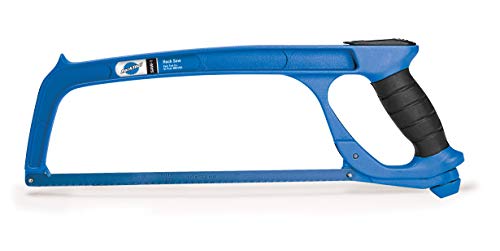
Park Tool (140347) Hacksaw, 12-Inch

LENOX Tools Hacksaw Blade 12-Inch 24 TPI 2-Pack (20161T224HE)

DEWALT Hack Saw 5-in-1 (DWHT20547L)

LENOX Tools Hacksaw Blade 12-inch 32 TPI 2-Pack (20162T232HE)
More Details On Our Top Picks
Close-in cutting is where this LENOX frame makes the most sense, especially around plumbing, brackets, or cramped workshop corners. The shorter footprint should feel easier to guide than a full-size frame, though that trade-off can matter on longer straight cuts.
Compared with the IRWIN MultiSaw, this pick is more about tight access than versatility. You’ll appreciate it most in a garage drawer or tool bag where space is already spoken for.
Strong Points
- Short frame suits awkward angles and confined spots.
- Helps you stay controlled near walls and fittings.
- Small size stores neatly with other hand tools.
- Feels well matched to repair work, not just general sawing.
Things To Consider
- The compact format gives up some reach on longer stock.
- You may want a second saw for broader material cuts.
- Blade swaps and storage still need the usual care to avoid rust and flex damage.
Feature Snapshot
Who It Suits Best
DIYers and technicians who work in cramped spaces will get the most from this smaller frame.
Where A Sibling Pick Shines
IRWIN Tools ProTouch MultiSaw (2015100) is a better fit for people who want one saw for wood, metal, PVC, and fastener trimming.
This IRWIN brings a wider job range than the close-quarter LENOX, so it fits a garage or household toolbox that needs one saw for mixed materials. The ability to cut wood, metal, and PVC also makes it easier to keep one tool nearby for repair days that start simple and turn into three different tasks.
Flush-cutting screws and fasteners is the extra detail that separates it from a basic hacksaw. You may find that especially useful during remodel work, though the broader purpose means it is not as specialized as a compact frame for tight spaces.
What We Like
- Handles wood, metal, and PVC.
- Flush cuts fasteners for cleaner finish work.
- Useful as a single general-purpose saw.
- Good fit for household repair drawers and jobsite bags.
Areas To Watch
- Broader utility can mean less focus than a dedicated close-quarter saw.
- Storage still matters, since a multipurpose frame can get tossed around and bent in crowded kits.
Core Details
Built With In Mind
Home improvers and maintenance-minded shoppers who want one saw for mixed materials should feel well served here.
A Better Fit Elsewhere
LENOX Tools Hacksaw Close Quarter (20908908) suits tighter work areas better, especially where a shorter frame helps more than multi-material reach.
Compared with the first two hacksaws, this coping saw is the more precise tool for curves and trim work. The high-speed steel blades are meant to move through common materials cleanly, while the flat-bar frame gives it a steadier feel for hand-controlled shaping.
DuraSteel pins add to the durable feel, which matters in a workshop where blades get swapped often and tools get handed around. For cabinet detail, craft work, or molding touch-ups, this is the one that feels more surgical than general-purpose.
Highlights
- High-speed steel blades suit detail cutting.
- Flat-bar frame adds steadier handling.
- DuraSteel pins support regular use.
- Good match for curved or delicate cuts.
Minor Gripes
- It is less versatile than a standard hacksaw for broad repair work.
- Blade handling calls for care, especially in packed tool drawers.
- Detail saws usually ask for more patience on thicker stock.
Technical Sheet
Who Should Grab It
Woodworkers and detail-focused hobbyists who need curve control will get more value than someone shopping for a general repair saw.
Look Elsewhere When
IRWIN Tools ProTouch MultiSaw (2015100) fits better for repair work that shifts between wood, PVC, and metal.
This compact LENOX leans into tension, with an I-beam frame that can hold the blade up to 50,000 psi. That kind of blade tension matters because it helps the blade stay straighter during harder cuts, though the real payoff depends on using the right blade for the material.
The second trick is compatibility with most LENOX reciprocating saw blades, which lets it pull double duty as a jab saw. That makes it handy in a workshop, but it also means you’ll want to keep track of blade types so the frame stays useful instead of becoming another mixed-tool drawer mystery.
Best Bits
- I-beam construction supports very high blade tension.
- Can work as a jab saw with compatible blades.
- Compact format fits crowded tool storage.
- Good for users who want a two-purpose setup.
Softer Spots
- Blade choice matters more here than on a simpler frame.
- The extra flexibility can take a little learning to keep organized.
- Compact size is handy, though it is not the easiest fit for long, straight stock.
Quick Facts
Perfect Match For
Handy homeowners and trade-minded users who want a compact frame with more than one cutting role will appreciate it most.
Skip It When
Park Tool (140347) Hacksaw, 12-Inch is a better fit for cyclists and shop users who want a straightforward 12-inch layout.
This Park Tool option stands out because it speaks directly to bike-shop tasks instead of broad household use. The 12-inch format gives you familiar hacksaw proportions for cutting tubing, small hardware, or workshop materials, and that size usually feels more settled than a mini frame during measured work.
For cyclists or mechanics, the honest read is that this kind of saw makes the most sense beside other specialty tools rather than as a lone garage fix-all. It should store easily on a bench or in a rolling cabinet, though riders who only need occasional cuts may not need a dedicated shop model.
Reasons To Buy
- 12-inch layout suits bench-style cutting.
- Good fit for bike repair and workshop tasks.
- Feels less cramped than smaller specialty frames.
- Works well as part of a dedicated tool set.
Worth Noting
- Specialized styling makes less sense for casual household use.
- Users outside cycling or shop work may not need the niche focus.
Details At A Glance
Whose Shelf It Belongs On
Bike mechanics and workshop users who like dedicated tools for specific jobs will get the most out of this saw.
Swap It Out When
IRWIN Tools ProTouch MultiSaw (2015100) makes more sense for mixed household repairs that involve wood, metal, and PVC.
Blade-only packs like this matter most once your frame is already sorted, and 24 TPI gives you a finer tooth pattern for neater cutting in metal and similar materials. That finer pitch tends to leave a smoother feel than coarse blades, though it also works more patiently than a tooth count meant for fast removal.
Compared with the DEWALT 5-in-1 saw, this is the quieter, more focused choice for someone who just wants dependable replacements. The two-pack format is handy for keeping a spare in the drawer, which helps when one blade gets dull and a job is already underway.
Plus Points
- 24 TPI suits cleaner, more controlled cutting.
- Two blades in the pack add backup value.
- Works well as a replacement for worn frames.
- Good match for precision-minded metal work.
Small Caveats
- Blade-only packaging means you need a frame already.
- Finer teeth usually trade speed for a smoother finish.
Spec Overview
Made For
Shoppers replacing blades in a standard frame, especially for home metalwork or maintenance tasks, will get the most from this pack.
Another Choice May Suit
LENOX Tools Hacksaw Blade 12-inch 32 TPI 2-Pack (20162T232HE) is the sharper fit for users who want even finer tooth spacing and longer blade life.
The DEWALT 5-in-1 approach is about flexibility, so it fits tool kits that need one frame to cover several cutting styles. That can be a smart match for repair work in a basement shop or utility room, where switching between tasks matters more than carrying a stack of single-purpose tools.
It also includes a one-size pack format, which suggests a straightforward, no-fuss setup for storage and replacement planning. The trade-off is that multipurpose frames can feel a little less specialized than a dedicated close-quarter saw or a detail-focused coping saw.
Positives
- Five-in-one design broadens how you can use it.
- Good fit for mixed shop and repair tasks.
- Simple frame planning for one-tool storage.
- Helps reduce the need to carry several saws.
Room For Improvement
- Multi-role tools can feel less specialized than task-specific saws.
- You may prefer a dedicated blade setup for precision-only work.
- Keeping the extra functions organized adds a bit of ownership housekeeping.
Core Details
Right Fit For
General repair users who want one saw for several kinds of cutting tasks will find the most value here.
Reach For A Different Pick When
IRWIN Tools ProTouch Coping Saw (2014400) works better for fine curves and trimming where detail matters more than versatility.
This LENOX blade pack pushes the fine-cut side of the category even further with 32 TPI, meaning the teeth sit closer together for more controlled work. The listing’s longer-life claim points to less frequent replacement, which matters most in shop use where blades get a lot of wear and tool downtime gets old fast.
Compared with the 24 TPI LENOX pack, this one leans harder toward detail and longevity. That makes it a sensible upgrade for people who go through blades often, though it is still just the blade, so you need a frame that already fits the job.
Bright Spots
- 32 TPI suits finer, more deliberate cuts.
- Longer-life design can reduce replacement frequency.
- Two-pack format helps keep a spare ready.
- Strong fit for repeated metal cutting tasks.
Trade Offs
- Blade-only format assumes you already own a compatible hacksaw frame.
- Finer teeth work more slowly than coarse blades on rough stock.
Feature Card
The Right Fit
Frequent hand-tool users who want a finer blade with more staying power should feel drawn to this pack.
Where Shoppers Go Wrong
LENOX Tools Hacksaw Blade 12-Inch 24 TPI 2-Pack (20161T224HE) makes more sense for anyone who wants a slightly broader blade profile and a more budget-friendly replacement pattern.
How To Choose The Right Hacksaws
Frame Size And Reach
Frame length shapes how the saw feels in your hand. A compact frame slips into narrow mechanical spaces and drawer storage, while a 12-inch layout usually gives you more familiar balance for steady straight cuts. The trade-off is simple: shorter frames are easier to place, longer frames are easier to guide over wider material.
Blade Tooth Count
Tooth count, shown as TPI or teeth per inch, tells you how dense the cutting teeth are. Lower TPI usually cuts rougher material faster, while higher TPI gives you finer, cleaner control on metal and detail work. You’ll want a finer blade for finish-minded jobs and a coarser one for quicker stock removal.
Material And Task Match
Wood, PVC, metal, and hardware each ask for a slightly different approach. A multipurpose saw works well in a home repair kit, while a coping saw serves curved cuts and trim work better than a general hacksaw. That’s why matching the tool to the task saves time and keeps the cut cleaner.
Comfort, Tension, And Storage
Grip shape, frame stiffness, and blade tension all affect how much control you feel during a cut. A higher-tension frame can keep the blade straighter, which helps in harder materials, but it can also make blade changes and storage a little more deliberate. For garages and packed tool bags, the most practical saw is often the one you can grab without fuss.
A Quick Reality Check Before You Order
Wrong Turns To Avoid
Shoppers often pick a frame before thinking about the job. That leads to a saw that feels too bulky for tight access or too specialized for simple repair work. Blade fit matters too, especially when a compact frame or specialty saw expects a certain style of blade.
Another common mistake is ignoring tooth count. A blade that’s too coarse can leave a rough cut, while one that’s too fine can feel slow on thicker material. Match the blade to the material first, then worry about the frame finish.
The Case For Spending Up
Higher-tier hacksaws usually earn their price through frame stiffness, better blade tension, or extra roles like jab-saw compatibility and multi-use layouts. Those details matter most in busy workshops or for frequent maintenance work, where a loose frame or dull-feeling blade turns into daily annoyance.
Spending more makes sense when the saw will see regular use, especially on mixed materials or precision cuts. For occasional household tasks, a simpler frame or a blade pack may cover the need without extra complexity.
Final Thoughts
You have plenty of room to narrow this category once you decide what kind of cutting shows up most often in your life. A close-quarter frame suits cramped repairs, a 12-inch shop saw feels steadier for regular work, and a higher-TPI blade helps when the finish matters more than speed. Pick the shape that fits your space, your storage, and the material you cut most. That’s the part that keeps a hacksaw useful instead of annoying.