Choosing the right framing hammer changes how a long day feels in your hand. You want enough head weight for driving nails cleanly, but not so much that every swing feels like work after the first hour.
This roundup focuses on practical fit, from lighter fiberglass and wood-handle options to heavier steel and titanium designs. It’s for you if you frame, demo, hang, or just want a hammer that matches the way you work.
The Shortlist At A Glance

IRWIN Fiberglass Claw Hammer 16 oz. (1954889)
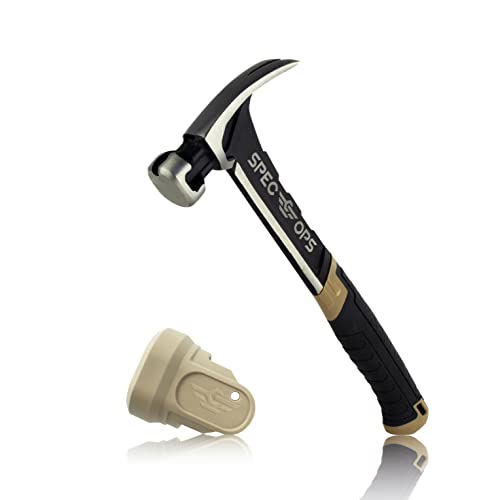
Spec Ops Tools Nailing Hammer 20 Oz with Mallet Cap

Fiskars IsoCore 22 oz Milled-Face Framing Claw Hammer 16 in

ESTWING Ultra Series Hammer 19 oz EB-19SM

ESTWING Ultra Series Hammer 15 oz EB-15SM

ESTWING BIG BLUE Framing Hammer 25 oz E3-25SM

VAUGHAN DALLUGE 16 oz Titanium Framing Hammer VN07180

OX 18 oz Framing Hammer Wooden Handle
More Details On Our Top Picks
The IRWIN leans simple, and that works in your favor for home repairs, light carpentry, and weekends that include a few hanging and fastening jobs. The fiberglass handle keeps the feel practical rather than flashy, while the forged steel head gives it the sturdier backbone you want from a general-purpose claw hammer.
It’s a sensible match for you if you want one hammer that can live in the garage without asking for much attention. The ProTouch grip matters on longer jobs, though the 16 oz. head keeps this more in the everyday-use lane than the heavy framing lane.
Strong Points
- Forged steel head brings a durable work feel.
- ProTouch grip helps steady your hand during longer sessions.
- 16 oz. weight keeps it manageable for mixed household jobs.
- Fiberglass handle can feel easier on the arm than bare steel.
Worth Noting
- It suits general use better than hard framing all day.
- The lighter head gives up some driving force on dense lumber.
Feature Snapshot
Who It Suits Best
Home improvers and casual carpentry users get the most from this one.
A Better Fit Elsewhere
Spec Ops Tools Nailing Hammer 20 Oz with Mallet Cap fits you better for heavier framing and demo work.
Compared with the lighter IRWIN, this Spec Ops hammer is built for harder hits and more serious jobsite use. The 20 oz. head gives you more driving force, and the smooth face plus rip claw setup keeps it versatile for framing, carpentry, and demolition.
The mallet cap is the detail that helps it stand out, especially for one-handed nail setting or work where you want the hammer to do more than pound. The trade-off is plain enough: more weight means more effort over a long stretch, so this fits you best when power matters more than all-day lightness.
What We Like
- 20 oz. head gives you stronger striking force.
- Smooth face supports cleaner contact on framing tasks.
- Rip claw helps with nail removal and light prying.
- Mallet cap adds useful jobsite flexibility.
- Shock-absorbing grip helps soften the hand feel during repeat work.
Points To Note
- The added mass can feel tiring on lighter chores.
- It suits framing and demo better than quick household fixes.
- The feature set makes it a little more specialized than a basic claw hammer.
Core Details
Who Should Grab It
Framers, carpenters, and renovation crews get the strongest fit here.
Another Choice May Suit
Fiskars IsoCore 22 oz Milled-Face Framing Claw Hammer 16 in fits you better for a longer handle and a more impact-dampened feel.
The Fiskars takes a slightly more engineered path than the Spec Ops pick, with a 22 oz. head, a 16 in handle, and the brand’s IsoCore shock-reduction setup. That combination points you toward repetitive framing work where hand comfort and swing control matter just as much as raw weight.
The milled face gives extra bite on nail heads, which helps when your work surface isn’t perfectly forgiving. The honest read is that this leans toward serious use, but the longer handle can ask for a little more room than compact hammers in tight spaces.
Upsides
- 22 oz. head offers substantial driving force.
- IsoCore design aims to soften repeated impact.
- 16 in handle gives you added swing leverage.
- Milled face helps the hammer grip nail heads.
Room For Improvement
- The longer handle can feel less nimble in close quarters.
- More mass may be more than you need for small household jobs.
Feature Rundown
Built With In Mind
You get the most from this hammer in regular framing work, especially on larger projects.
Where A Sibling Pick Shines
IRWIN Fiberglass Claw Hammer 16 oz. (1954889) suits you better for lighter, less tiring everyday carry.
After the Fiskars, the ESTWING Ultra Series feels more like a classic steel framing hammer with a clean, no-nonsense layout. The 19 oz. head sits in a useful middle ground, and the rip claw plus milled face combination makes sense for framing, nail pulling, and the sort of jobsite chores that keep changing shape.
The shock reduction grip is the part you’ll notice during longer days, especially if you’re swinging repeatedly or working through denser material. The trade-off is that the all-steel style can feel less forgiving than lighter-handled designs, but plenty of framers prefer that direct feedback.
Reasons To Buy
- 19 oz. head gives you a versatile middle weight.
- Milled face adds traction on nail heads.
- Rip claw supports pulling and prying tasks.
- Shock reduction grip helps with repeated swing comfort.
- Steel construction gives the hammer a solid jobsite feel.
Small Caveats
- The steel build can feel firm in the hand over time.
- It is more tool-like than cushioned, which some people like less.
Details At A Glance
The Right Fit
You fit this hammer best if you want a traditional framing feel with enough comfort for long jobsite days.
Look Elsewhere When
VAUGHAN DALLUGE 16 oz Titanium Framing Hammer VN07180 suits you better for lighter swing effort and a more modern titanium head.
Compared with the 19 oz ESTWING, this 15 oz version trims some heft and gives you a lighter swing path. That makes it easier to carry through a full day of shorter tasks, punch-list work, or framing where fatigue matters more than brute force.
The magnetic nail starter is a practical touch for one-handed starts, and the rip claw keeps the tool useful once you move from driving to removing. You may find the lighter head a little less assertive on stubborn lumber, but the trade-off is easier control and less strain.
Best Bits
- 15 oz. weight helps reduce swing fatigue.
- Magnetic nail starter supports one-handed nail placement.
- Rip claw makes the hammer more versatile on site.
- Milled face improves bite for cleaner strikes.
- Shock reduction grip adds comfort for steady work.
Areas To Watch
- It gives up some driving power compared with heavier framing hammers.
- Better suited to controlled work than the hardest demolition chores.
Feature Card
Whose Shelf It Belongs On
Smaller framing jobs and careful carpentry work suit you best here.
Swap It Out When
ESTWING BIG BLUE Framing Hammer 25 oz E3-25SM makes more sense for heavy stock and more forceful driving.
The BIG BLUE sits at the heavier end of this group, and that extra mass is useful when you’re driving long fasteners into rough stock or spending the day on bigger framing work. Compared with the 15 oz ESTWING, it asks for more effort but returns more momentum, which is exactly why some framers prefer a heavier tool in hand.
The milled face helps the hammer bite into nail heads, and the straight rip claw expands the tool’s usefulness once demolition or nail pulling enters the picture. The longer handle can help with leverage, though you’ll want to be comfortable carrying a heavier frame through a full shift.
Pozitives
- 25 oz. head gives you strong driving power.
- Forged steel construction supports a hard-working feel.
- Milled face helps nails stay put during the strike.
- Straight rip claw covers pulling and prying tasks well.
- Longer handle adds leverage for bigger swings.
Honest Caveats
- The extra weight can feel tiring during all-day carry.
- It suits bigger jobs better than quick trim work.
Quick Facts
Best Suited To
You get the most from this one on heavy framing jobs and tougher demo work.
Reach For A Different Pick When
IRWIN Fiberglass Claw Hammer 16 oz. (1954889) is easier to carry for light household tasks and occasional use.
The Vaughan Dalluge stands out because titanium changes the whole feel of the swing. The head is cast from titanium, and that usually points you toward lower carried weight with a more forceful strike feel, which helps on fast-paced carpentry and framing days.
The magnetic nail holder is a practical bonus for one-handed starts and longer reach on sheet or metal work. Compared with the heavier steel options in this roundup, this one makes the most sense for you if you want speed, reduced carry fatigue, and a more modern tool layout.
Bright Spots
- Titanium head helps keep the tool easier to swing.
- Magnetic nail holder improves one-handed nail starting.
- Milled face adds grip on nail heads.
- 16 oz. weight keeps it manageable for active jobsite use.
- Works well for framers, linemen, and builders.
Minor Gripes
- The lighter feel may not satisfy you on the heaviest demolition jobs.
- It sits in a more specialized lane than basic claw hammers.
Technical Sheet
Perfect Match For
You’ll like this most if you move quickly between framing tasks and want a lighter-feeling hammer.
Another Choice May Suit
ESTWING BIG BLUE Framing Hammer 25 oz E3-25SM suits you better for the heaviest swings and more forceful demo work.
The OX brings a different feel from the steel and titanium options above because the American hickory handle adds a more traditional hand tool character. Hickory is a dense hardwood known for damping vibration, so the hammer feels more familiar and less harsh through repeated strikes on carpentry and construction work.
The engineered head is meant to move faster, and that’s useful when you want a wood-handle hammer with decent pace rather than a heavy brute. You may prefer this style for trim-sensitive work or for a tool shed that leans classic, though the wooden handle asks for a little more care than coated metal or fiberglass.
What We Like
- American hickory handle gives a classic, grounded feel.
- Wood handle naturally helps soften vibration.
- 18 oz. head sits in a versatile middle range.
- Milled face helps with better nail contact.
- Useful for carpentry and general construction tasks.
Points To Note
- Wood handles usually need a bit more care than fiberglass.
- It lacks the modern accessory features found on some others here.
Feature Rundown
Made For
You’ll appreciate this if you like a wood-handle hammer for regular carpentry and construction work.
Where Another Pick Suits Better
VAUGHAN DALLUGE 16 oz Titanium Framing Hammer VN07180 fits you better for lighter carry and a more modern framing setup.
How To Choose The Right Hammer For Framings
Weight Sets The Pace
Hammer weight changes both the strike and the strain. A 15 to 16 oz. hammer feels easier to carry and quicker in smaller jobs, while 19 to 25 oz. heads bring more momentum for framing and tougher stock.
That extra mass matters when you’re driving long fasteners all day, but it also adds fatigue. The sweet spot depends on how long you swing and how dense the material is in front of you.
Face, Claw, And Nail Starting
A milled face, sometimes called a checkered face, adds grip on the nail head so the hammer doesn’t skate as easily. A smooth face makes cleaner contact for certain jobs, though it asks for a steadier hand.
Rip claws help with nail pulling and light prying, which is handy on demo and remodel work. Magnetic nail starters and mallet caps add convenience, especially when you need one-handed starts or you move through repetitive assembly tasks.
Handle Material Changes The Feel
Fiberglass and titanium usually make the hammer easier to carry through long sessions, while steel gives a more direct, traditional impact feel. Wood, especially hickory, brings a classic grip and a bit of natural vibration damping.
None of those choices is automatically better. Your hands, your swing style, and your jobsite rhythm decide which one feels right after the first hour.
Comfort Beats Spec Sheets On Long Days
Grip shape matters more than many people expect. Shock-reduction designs, cushioned overlays, and well-shaped handles can make a real difference during repeated swings, especially on framing days that run long.
That’s the quiet trade-off in this category, because a hammer with more power may ask more from your arm. The best fit balances force, control, and how much tool you want to carry before lunch.
What To Weigh Before You Choose
Hidden Buying Traps
It’s easy to chase weight and forget feel. A heavier hammer can look right on paper, then feel clumsy in a tight remodel or overhead job.
Another common miss is ignoring handle material. Steel, fiberglass, titanium, and hickory each change the swing in a different way, so the better choice depends on how long you work and how much vibration you want to feel.
The Upgrade Payoff
Higher-tier framing hammers usually cost more because of the head material, grip design, and extra features like magnetic nail holders or shock control. Those details matter most on long jobsite days, repeated nail setting, and work that asks for accuracy as well as force.
Paying up makes the most sense when your hammer sees daily use. For occasional household work, a simpler option is often enough, and that keeps your kit easier to live with.
Final Thoughts
Your best framing hammer depends on how hard you swing, how long you work, and how much comfort you want left in your hand at the end of the day. The IRWIN and OX are easier everyday choices, the Spec Ops and BIG BLUE lean into tougher work, and the Vaughan Dalluge brings a lighter titanium feel that many fast-moving carpenters will appreciate. Pick the one that fits your pace, not just your wish list.