Carpentry hammers look similar until you start using one on framing lumber, finish work, or demo-prone trim. The right choice changes how hard you swing, how clean your nail starts land, and how much strain shows up in your hand after a long day.
This roundup focuses on eight shapes that make sense for carpenters, from fiberglass grips to titanium heads and magnetic nail starters. You’ll see clear trade-offs too, because a light finishing hammer and a heavy framing hammer solve different problems.
Quick Look At The Shortlist

IRWIN Hammer Fiberglass Claw 16 oz. (1954889)
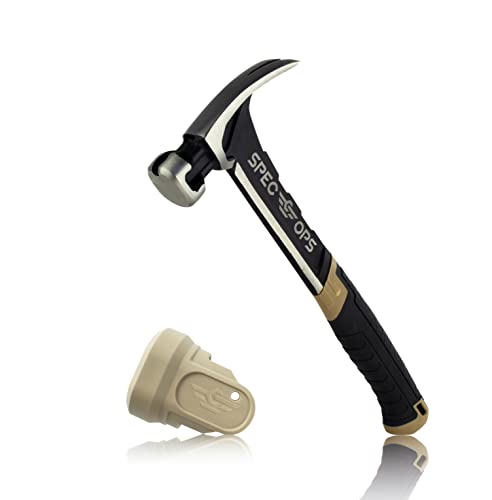
Spec Ops Tools Nailing Hammer 20 Oz With Mallet Cap

ESTWING Ultra Series Hammer 19 oz E19S

ESTWING Ultra Series Hammer 19 oz EB-19SM

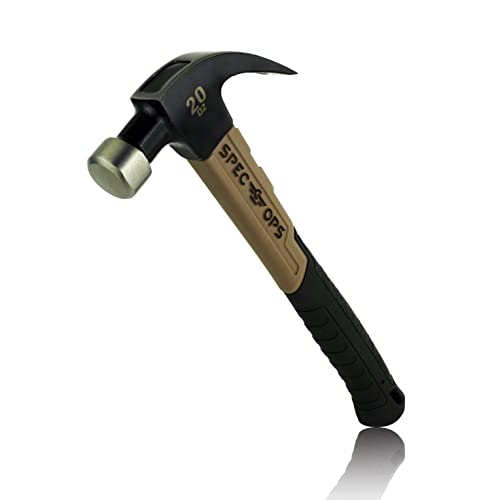
Spec Ops Tools Fiberglass Hammer 20 Oz

VAUGHAN DALLUGE 16 oz Titanium Framing Hammer VN07180

8/16/24oz Straight Rip Fiberglass Claw Hammer
More Details On Our Top Picks
The fiberglass handle gives this IRWIN a straightforward, work-ready feel that suits general carpentry and everyday house tasks. The forged steel head matters because it adds durability where hammer faces take the most abuse, and the ProTouch grip is the part you notice during longer trim sessions or weekend framing work.
Compared with the heavier Spec Ops hammers later in the list, this 16 oz format feels easier to carry all day and less tiring for lighter jobs. The trade-off is obvious, though, since you give up some driving power for comfort and control, which is often a smart swap for finish work.
What We Like
- Fiberglass handle keeps weight sensible for routine carpentry.
- Forged steel head should hold up well under repeated strikes.
- ProTouch grip suits long sessions with less hand fatigue.
- 16 oz weight works nicely for general nail setting and trim fixes.
Points To Note
- Light-medium weight means less punch for dense lumber.
- Plain general-purpose design lacks the specialty features of framing-focused picks.
- Grip comfort is helpful, yet handle feel stays more utilitarian than premium.
Feature Snapshot
Who Should Grab It
Weekend carpenters and homeowners doing mixed repair work will get the most out of this one.
A Better Fit Elsewhere
Spec Ops Tools Nailing Hammer for Framing, Carpentry & Demolition, Rip Claw, Smooth Face and Shock-Absorbing Grip, 20 Oz with Mallet Cap suits framers who want a heavier, more jobsite-focused swing.
This Spec Ops hammer leans into rougher work, with a rip claw, smooth striking face, and a mallet cap that broadens how you handle framing and demo tasks. For a busy site, that mix gives you one tool that can start nails, pull fasteners, and handle non-marking taps without reaching for something else.
Against the lighter IRWIN, this one is clearly built for more aggressive use and a stronger swing. The trade-off is that 20 oz can feel like more tool than you need for small trim tasks, so it makes more sense for carpenters who spend real time on framing lines and teardown work.
Strong Points
- Rip claw helps with pulling nails and light prying.
- Mallet cap adds flexibility for tapping without marring surfaces.
- 20 oz head brings more driving force to framing jobs.
- Shock-absorbing grip should help during longer, harder swings.
- Good match for mixed carpentry and demolition use.
Small Caveats
- Heavier feel may be tiring for overhead or finish work.
- Mallet cap is useful, yet not every carpenter needs that extra feature.
- Bulkier jobsite focus makes it less nimble than 16 oz options.
Feature Rundown
Made For
Framers and remodelers who want one hammer for nail driving, removal, and light demo work should feel right at home here.
Look Elsewhere When
IRWIN Hammer Fiberglass Claw 16 oz. (1954889) fits you better for lighter carry and more casual carpentry days.
That genuine leather grip is the detail that changes the feel of this ESTWING, especially for carpenters who like a more traditional hand tool. With a smooth face and rip claw, it stays squarely in framing territory, yet the leather and 19 oz weight make it feel a little more controlled than the bulkier rough-use hammers above it.
The honest read is that this hammer suits people who appreciate a classic build and want a framing hammer that feels measured rather than overbuilt. Compared with the shock-focused EB-19SM, you give up the milled face and shock reduction grip, but you gain a cleaner face for surfaces that should stay neat.
Highlights
- Genuine leather grip gives a classic hand feel.
- Smooth face works well where cleaner contact matters.
- 19 oz head has enough mass for framing tasks.
- Rip claw supports fastener removal and light prying.
Worth Noting
- Leather grip needs a little more care than synthetic handles.
- Smooth face is less forgiving on slick nail starts than milled faces.
- Framing focus makes it less suited to delicate finish-only work.
Details At A Glance
Right Fit For
Carpenters who like a classic framing hammer with a more traditional grip will get the most from this pick.
Another Choice May Suit
ESTWING Ultra Series Hammer 19 oz EB-19SM suits you better if a milled face and shock reduction grip matter more than leather grip feel.
With the milled face, this ESTWING is aimed at carpenters who want extra bite on nail heads, especially during framing sessions where placement matters. The shock reduction grip is the bigger comfort story, since repeated swings can feel easier on the hand than a harder, more bare-bones handle.
Compared with the leather-grip E19S, this version feels more purpose-built for jobsite repetition than for a traditional hand-tool feel. One thing worth considering, though, is that the milled face is less suited to surfaces where you want a smoother-looking strike mark, so it fits rough framing better than fine finish work.
Reasons To Buy
- Milled face helps bite nail heads during starting and driving.
- Shock reduction grip lowers hand sting during repeated use.
- 19 oz weight gives solid framing momentum without feeling extreme.
- Rip claw handles nail pulling and light demolition duties.
Areas To Watch
- Milled face can leave a more visible mark on surfaces.
- Less of a finish-carpentry tool than the smooth-face E19S.
- Grip style favors function over classic hand-tool character.
Core Details
Built With In Mind
Framers who spend long stretches on rough lumber and want more nail bite should find this model especially practical.
Where A Sibling Pick Shines
ESTWING Ultra Series Hammer 19 oz E19S fits you better for cleaner strike marks and a more traditional grip feel.
The titanium head and hickory handle give this Stiletto a very different personality from the heavier framing hammers above it. At 10 oz with a 14 1/2 inch overall length, it looks built for finish carpentry and controlled fastening, where low recoil and easier positioning matter more than raw mass.
That lighter feel can be a relief during trim work or long projects overhead, and the curved claw adds the usual nail-pulling function without making the tool feel bulky. The trade-off is plain, though, because you lose the driving force that framers usually want from a 19 or 20 oz hammer.
Best Bits
- Titanium head helps keep swing weight low.
- Low recoil feel suits long finishing sessions.
- Hickory handle gives a familiar, traditional grip profile.
- Curved claw handles everyday removal tasks neatly.
- Compact length helps in tighter work areas.
Minor Gripes
- 10 oz head is light for framing and rough carpentry.
- Premium material mix raises the bar for value expectations.
- Smaller face diameter may feel less forgiving on off-center hits.
Feature Card
Best Suited To
Trim carpenters and finish-focused pros who want a lighter hammer with a traditional handle feel should gravitate here.
Swap It Out When
VAUGHAN DALLUGE 16 oz Titanium Framing Hammer VN07180 fits you better for framing jobs that need more head weight and magnetic nail starting.
This Spec Ops fiberglass hammer sits in the rough-work lane, with a smooth face, curved claw, and a grip that aims to soften repeated impact. For carpentry mixed with demolition, that combination makes sense because you can drive, pull, and pry without switching tools every few minutes.
Compared with the smoother, lighter IRWIN, this one brings more mass and a stronger jobsite edge. The catch is that a 20 oz curved-claw hammer can feel a little much for delicate trim, so it fits remodel work and rough framing more naturally than finish details.
Positives
- Curved claw gives useful leverage for pulling fasteners.
- 20 oz head adds force for framing and teardown tasks.
- Smooth face is friendlier to cleaner nail starts.
- Shock-absorbing grip should feel calmer during repeated swings.
Softer Spots
- Heavier build can feel tiring in smaller repair jobs.
- Curved claw is less specialized than a straight rip claw for some prying tasks.
- Fiberglass handle is practical, though not especially distinctive.
Spec Overview
The Right Fit
Carpenters who mix framing, demo cleanup, and regular fastening will get solid mileage from this one.
Reach For A Different Pick When
IRWIN Hammer Fiberglass Claw 16 oz. (1954889) makes more sense for lighter carry and simpler everyday repair work.
The magnetic nail holder is the feature that separates this Vaughan from the rest of the list, because it helps you start nails one-handed and keep your placement steady on metal or sheet work. The milled face then adds bite, which is handy for framing and other high-force tasks where the nail head should stay put before the swing lands.
Compared with the ESTWING EB-19SM, this 16 oz hammer feels a little lighter and more focused on controlled starts than heavy driving. That makes it a strong fit for carpenters who work fast, especially on lines where one-handed nail setting saves time and keeps your other hand free.
Bright Spots
- Magnetic nail holder makes one-handed starts easier.
- Milled face gives added bite on the nail head.
- 16 oz weight keeps it easier to manage than heavier framing hammers.
- Useful on metal and sheet-based work where placement matters.
Room For Improvement
- Magnetic nail assist matters more in some jobs than others.
- 16 oz head gives up some driving force versus 19 or 20 oz tools.
- Milled face is less suitable for cleaner finish surfaces.
Technical Sheet
Whose Shelf It Belongs On
Working carpenters who value faster starts and controlled framing work will appreciate this one most.
A Better Fit Elsewhere
Stiletto FH10C Claw Hammer fits you better for lighter finish work where a small titanium hammer is easier to place.
This DkOvn hammer is the plainspoken option in the lineup, with a smooth face, non-slip grip, and forged high-carbon steel head. The general-purpose format and 8 oz head make it a simple fit for light household tasks, while the listing’s wider weight range signals a family of similar sizes rather than a single heavy-duty framing tool.
Against the higher-end titanium picks, this one is much more about keeping things simple and accessible. That trade-off makes sense for basic nail work, but it also means you should expect less of the specialty feel and impact refinement that comes with the premium hammers above it.
Best Bits
- Forged high-carbon steel head adds sturdy feel.
- Smooth face works well for everyday fastening.
- Non-slip grip helps keep control in normal use.
- General-purpose shape suits light carpentry and household tasks.
Honest Caveats
- 8 oz version is light for serious framing work.
- Basic build leaves out the specialty features seen on pricier models.
- Broader size naming can take a moment to sort out on the listing.
Core Details
Who Will Love This
Homeowners and casual carpenters who want a simple hammer for light jobs will find this the easiest place to start.
Look Elsewhere When
VAUGHAN DALLUGE 16 oz Titanium Framing Hammer VN07180 fits you better for higher-force work and quicker nail starting.
How To Choose The Right Hammers For Carpenters
Head Weight And Job Type
Head weight shapes almost everything about a hammer’s feel. A 16 oz model, like the IRWIN and VAUGHAN, sits in a flexible middle ground for many carpentry tasks, while 19 and 20 oz hammers add more driving force for framing and rough carpentry.
Lighter hammers make sense for trim, finish work, and repeat carry around a jobsite. Heavier heads suit dense lumber, demolition cleanup, and any work where you want fewer swings to set a nail.
Face Style Changes How The Nail Starts
Smooth faces are friendlier to surfaces that need a cleaner look, and they show up on the IRWIN, ESTWING E19S, and Spec Ops fiberglass hammer. Milled faces, like the ones on the ESTWING EB-19SM and VAUGHAN DALLUGE, add texture that helps the face grip the nail head during the first strike.
That texture matters in rough framing, especially on fast-paced jobsite work. The trade-off is a more visible mark, so finish carpentry usually benefits more from the smoother option.
Grip Material And Shock Feel
Fiberglass handles are common because they keep weight sensible and usually stand up well to daily hauling. Leather, hickory, and shock-reduction handles change the hand feel in different ways, with leather offering a more classic touch and shock-reduction designs aiming to soften repeated impact.
That comfort difference matters most during long days, overhead work, or high-repetition framing. A hammer can look simple on paper and still feel very different after the third hour, so grip style deserves real attention.
Claw Shape And Special Features
Rip claws are usually the better match for prying and nail removal on rough work, while curved claws feel more familiar for general carpentry use. Straight-claw finishing hammers, like the Stiletto FH10C, stay useful for controlled work where you want the tool to feel nimble.
Special touches matter too. Magnetic nail holders help with one-handed starts, and mallet caps widen the hammer’s role when you need a softer touch for certain taps.
Things Worth Knowing First
Wrong Turns To Avoid
One common mistake is choosing too much hammer for light trim or repair work. A 20 oz framing model can feel tiring in a small room, while a very light hammer can leave you reaching for extra swings on dense lumber.
Another slip-up is ignoring face style. Smooth faces suit cleaner contact, but milled faces grip better at the start, so your job type should lead the decision instead of the spec sheet alone.
The Case For Spending Up
Higher-tier hammers often use titanium heads, leather grips, magnetic nail holders, or shock-reduction designs. Those additions can improve comfort, control, and pace during full workdays, which is why models like the Stiletto FH10C and VAUGHAN DALLUGE stand out.
The extra money usually goes toward better material choices and more thoughtful details, not just a fancier label. That upgrade makes the most sense for frequent carpentry, framing, or finish work where hand feel and speed matter every day.
Wrap Up
The right hammer for carpentry should match the job in front of you, not just look good in a toolbox. A lighter 16 oz option fits general use, while a 19 or 20 oz framing model makes more sense for heavier work and faster nail starts. Titanium, leather, fiberglass, smooth faces, and milled faces each shift the feel in a real way, so your best choice is the one that suits your pace and your projects. Pick for the work you actually do, and the tool will feel like a better partner from day one.