You need a hammer that fits the job, not just the toolbox. Some picks are built for framing and nail pulling, others make more sense for masonry, drywall, or the smaller swing you want in a camper or apartment repair kit. The right shape, weight, grip, and face style can make a long task feel steady instead of clumsy. This roundup helps you match the tool to the work.
Quick Look At The Shortlist

IRWIN Fiberglass Claw Hammer 16 oz. (1954889)
ESTWING Mason’s Hammer 22 oz E6-22BLC

ALLWIN Small Claw Hammer Purple

ESTWING Drilling/Crack Hammer 4-Lb. B3-4LB

ESTWING Ultra Series Rip Claw Hammer 19 oz. EB-19SM

glorousamc Rock Pick Brick Hammer 28 oz
Milwaukee 2912-20 M18 Fuel 18V SDS Plus Rotary Hammer

ESTWING Drywall Hammer 14 oz. E3-11
More Details On Our Top Picks
A 16 oz claw hammer sits in a sweet spot for everyday fixes, and this IRWIN keeps the format simple. The fiberglass handle gives you a lighter-feeling shaft than solid steel, while the forged steel head brings the durability you want for regular nail work and small teardown tasks.
The ProTouch grip matters most during longer repair sessions, because it helps the handle stay comfortable in your hand instead of feeling slick or harsh. You may find it more appealing than heavier framing hammers like the ESTWING Ultra Series if your jobs stay around shelves, trim, or light carpentry.
Strong Points
- 16 oz weight suits common household tasks without feeling overbuilt.
- Forged steel head adds confidence for repeated striking.
- Fiberglass handle keeps the tool manageable in a basic toolbox.
- ProTouch grip supports steadier control during longer sessions.
Things To Consider
- It is not the right style for heavy masonry work.
- The general-purpose shape gives up specialty features found on brick or drywall hammers.
- For tighter carry kits, the 16 oz size may still feel larger than a mini hammer.
Feature Snapshot
Who It Suits Best
Home repair shoppers and weekend DIYers get the most from this one, especially for hanging, pulling, and light framing tasks.
Where A Sibling Pick Shines
Reach for the ALLWIN Small Claw Hammer Purple when your kit needs a smaller carry option for camping, quick touch-ups, or compact storage.
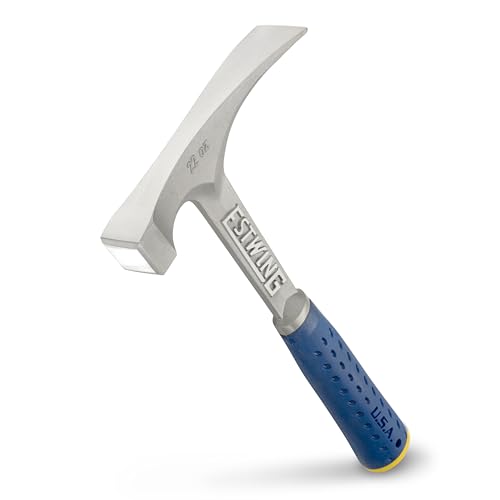
This ESTWING is aimed squarely at masonry work, so the 22 oz head makes sense for brick, block, and similar jobs where a normal claw hammer would feel underfed. Forged steel construction gives it the solid, one-piece feel many tradespeople prefer, and the shock reduction grip is there to make repeated blows easier to live with.
Finish may vary, which is a minor trade-off if you care more about function than a matching look. Compared with the IRWIN and the drywall hammer later in the list, this one is far more specialized and a better fit for a garage wall, masonry bench, or jobsite bag.
What We Like
- 22 oz weight supports more forceful masonry strikes.
- Forged steel build suits rough, repeated jobsite use.
- Shock reduction grip helps soften the feel in hand.
- Specialized head shape fits brick and block tasks better than a standard claw hammer.
Room For Improvement
- Its narrow purpose leaves little reason to choose it for general household repair.
- Finish may vary, so the appearance is not the same on every unit.
- Heavier mass can feel less nimble in small tool bags.
Details At A Glance
Built With In Mind
Bricklayers, masons, and serious DIYers working with block or stone get the clearest benefit here.
Look Elsewhere When
Choose the IRWIN Hammer, Fiberglass, General Purpose, Claw, 16 oz. (1954889) for day-to-day carpentry, trim, and mixed repair work.
Small hammers make sense in places where a full-size claw would feel awkward, and this purple ALLWIN model leans into that role. The 8 oz size is easier to carry, easier to swing, and friendlier for light-duty fastening, quick campsite fixes, or a drawer kit that stays uncluttered.
The high-density carbon steel build gives it a more serious feel than many tiny novelty hammers, and the magnetic feature helps with starting nails one-handed. The trade-off is obvious, though, because a compact hammer like this gives up the reach and striking momentum of the IRWIN or ESTWING framing options.
Highlights
- 8 oz size keeps the tool easy to carry.
- Carbon steel body supports a sturdier feel for a small hammer.
- Magnetic nail start helps with quick placement.
- Purple finish makes the tool easy to spot in a packed kit.
Small Caveats
- Light weight limits how much force you can put behind the swing.
- It makes more sense for occasional use than for tough carpentry.
- The compact profile is handy, but it is not a substitute for a full claw hammer.
Core Details
Whose Shelf It Belongs On
Campers, apartment dwellers, and anyone who wants a small backup hammer will get the clearest use from it.
Another Choice May Suit
Choose the ESTWING Drywall Hammer 14 oz. E3-11 when your work centers on wallboard rather than portability.
The 4-pound head makes this ESTWING feel purpose-built for striking jobs that need more mass than a standard hand hammer. That balance matters in drilling and crack work, because the tool can deliver force without asking you to swing like you’re trying to split logs.
For most garages or masonry setups, the one-piece forged steel build will feel reassuringly direct, and the shock reduction grip should help on longer sessions. Compared with the 22 oz masonry hammer, this one brings more brute force, so it’s a better fit for tougher breaking or chisel-driven work.
Reasons To Buy
- 4-pound head adds striking power for demanding jobs.
- Balanced feel helps the hammer move with control.
- Forged steel construction supports rough, repeated use.
- Shock reduction grip should help reduce hand sting over time.
Points To Note
- Heavy weight can wear you down on longer projects.
- It belongs in a work bag, not a general household drawer.
- The size makes storage and transport less convenient than lighter claw hammers.
At A Glance
Right Fit For
Contractors and serious home improvers who handle masonry, demolition, or chisel work will get the most from this hammer.
Swap It Out When
Use the Milwaukee 2912-20 M18 Fuel 18V 1″ SDS Plus Brushless Rotary Hammer for powered concrete drilling on bigger renovation jobs.
Framing hammers need to do more than drive nails, and this 19 oz ESTWING is set up for that broader job. The rip claw helps with pulling nails and prying, while the milled face gives the head extra bite on nail tops, which can matter during framing or rough demo work.
The one-handed magnetic starter is a nice practical touch, especially when your other hand is holding stock or keeping balance on a ladder. Compared with the IRWIN general-purpose hammer, this one feels more specialized and more comfortable in a serious carpentry kit, though the extra weight may be more than some casual home repairs need.
Upsides
- Rip claw adds prying and nail-pulling flexibility.
- Magnetic starter supports quicker one-handed nail placement.
- Milled face helps with a more secure strike on nail heads.
- 19 oz weight gives more driving authority than lighter general hammers.
Areas To Watch
- Heavier weight can feel tiring for small fixes.
- Milled faces are more aggressive, so they suit framing work better than delicate finish tasks.
- The steel build means it deserves a dry storage spot to stay in good shape.
Feature Rundown
Best Suited To
Framing carpenters, remodelers, and active DIYers who want a more capable all-around hammer will get the most from it.
Where A Sibling Pick Shines
The IRWIN Hammer, Fiberglass, General Purpose, Claw, 16 oz. (1954889) suits lighter household work with less hand fatigue.
This rock pick and brick hammer hybrid sits in a useful middle ground for stone work, where a pointed end helps you focus force and the flat side handles striking. The 28 oz weight gives it more presence than a small claw hammer, so it fits masonry prep, geology outings, and rough shaping tasks with less fuss.
The honest read is that this kind of tool rewards a clear use case, because the pointed tip is great for certain jobs and unnecessary for others. Compared with the ESTWING mason’s hammer, the glorousamc option leans more toward mixed rock and brick work than toward a pure masonry rhythm.
Best Bits
- Pointed tip adds leverage for prying and detail work.
- Flat side still handles direct striking duties.
- 28 oz weight gives the tool more driving force.
- Forged steel construction suits rough outdoor and jobsite use.
Worth Noting
- The pointed end makes this a specialized tool, not a general home hammer.
- Weight and shape make it less pocket-friendly than compact claw hammers.
- Cleaning grit from the head after stone work helps keep storage tidier.
Spec Overview
The Right Fit
Geology hobbyists, stone workers, and masonry helpers who need a pointed striking tool will appreciate the format.
Where Shoppers Go Wrong
Choose the ESTWING Bricklayers/Mason’s Hammer 22 oz E6-22BLC for a more focused brick-and-block tool.
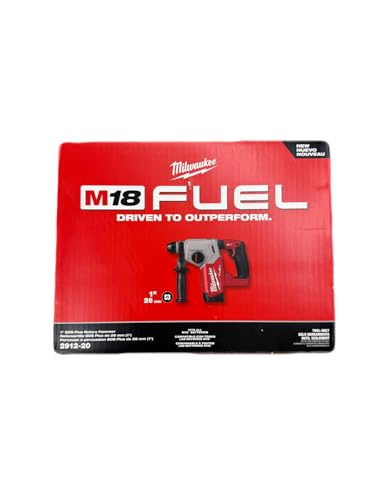
This Milwaukee belongs in a different class from the hand hammers above it, because a rotary hammer is built for powered drilling in concrete, brick, and other hard materials. The brushless motor design usually means less maintenance than brushed setups, and the SDS Plus chuck format is made for fast bit changes and efficient drilling action.
For renovation crews, electricians, or serious remodelers, that distinction matters a lot more than head weight ever could. One thing worth considering is that a cordless rotary hammer brings convenience, but it also asks you to manage battery availability, which is a different workflow than a simple steel claw hammer.
What We Like
- Brushless motor design suits demanding drilling work.
- SDS Plus setup supports compatible masonry bits and quick swaps.
- Cordless format improves mobility around job sites and unfinished rooms.
- It fills a very different role from the hand hammers in the list.
Minor Gripes
- It is far more specialized than a standard hammer.
- Cordless use means battery handling becomes part of the routine.
- Tool and accessory storage usually takes more planning than a basic hand tool.
Feature Card
Who Should Grab It
Contractors and advanced DIYers working on concrete anchors, masonry holes, or renovation framing will get the most from it.
Reach For A Different Pick When
The ESTWING Drilling/Crack Hammer 4-Lb. B3-4LB is the better match for manual cracking work that does not need power.
Drywall hammers have a different rhythm from general claw hammers, and this ESTWING is shaped around that job. The milled face helps with nail driving, the bevel nail slot supports easier pulling, and the sharp blade is there to score wallboard cleanly during installation work.
That makes it a sensible tool for remodelers and finish carpentry tasks, especially when you want one hammer that handles several drywall-specific steps. Compared with the IRWIN Hammer or the ALLWIN mini model, this one is less versatile for general repairs but much better aligned with wallboard work.
Positives
- Round milled face helps with nail driving on wallboard jobs.
- Bevel nail slot assists with nail removal.
- Sharp blade adds scoring ability for drywall sheets.
- 14 oz weight keeps it more manageable than heavier striking tools.
Softer Spots
- It is built for drywall, so general carpentry isn’t its main role.
- The blade calls for mindful storage to avoid clutter in a tool bag.
- Users focused on framing may prefer the ESTWING Ultra Series Hammer 19 oz. EB-19SM instead.
Technical Sheet
Who Will Love This
Drywall installers, finish carpenters, and remodelers handling wallboard repairs will get the clearest benefit here.
Skip It When
Choose the IRWIN Hammer, Fiberglass, General Purpose, Claw, 16 oz. (1954889) for broader household repair work.
How To Choose The Right Hammers
Match The Head To The Job
A claw hammer, a masonry hammer, and a rotary hammer all solve different problems, so head shape matters more than most people think. A 16 oz claw hammer suits hanging, pulling, and light carpentry, while a 22 oz mason’s hammer or a 4 lb drilling hammer belongs with brick, block, and crack work. The wrong head makes the tool feel awkward, like using kitchen shears to trim lumber.
Think About Weight And Swing
Weight changes both force and control. Lighter hammers, such as the ALLWIN 8 oz mini model, help with carry and quick fixes, while heavier tools like the ESTWING 19 oz framing hammer or 4 lb crack hammer give you more driving power. The trade-off is simple, more mass can help the work move faster, but it also asks more from your arm and shoulder during long sessions.
Grip, Handle, And Comfort Matter
Handle material shapes the feel in use, not just the look. Fiberglass, like the IRWIN pick, often feels practical in a utility kit, while shock reduction grips on several ESTWING models are meant to soften repeated impacts in the hand. For longer repair jobs, that comfort can matter as much as the head weight, especially in a busy garage, a renovation, or a day of framing.
Choose By Your Real Workload
General household use calls for versatility, so a standard claw hammer usually makes the most sense. Drywall installers, masonry helpers, and concrete drill users get more value from specialized tools because the design lines up with their tasks. That focus can save time and frustration, even though a specialty hammer is less flexible for random weekend fixes.
Before You Click Amazon
Mistakes Worth Dodging
A common slip-up is buying by weight alone and ignoring the job. A heavier hammer sounds capable, but a 4 lb crack hammer is the wrong fit for hanging pictures, just as a mini claw hammer is too small for rough framing. Another easy miss is forgetting storage, because specialty heads and blades need more care than a plain claw shape.
What The Higher Tier Buys
More expensive hammers usually bring forged steel, better grips, specialty faces, or a more refined one-piece build. That can mean better durability, steadier control, and less hand fatigue during repeated work, especially in trade use or regular renovation projects. The upgrade makes sense once you use the tool often enough that comfort and efficiency start to matter.
Final Thoughts
You have plenty of room to match the hammer to the task, and that is the real takeaway here. The IRWIN fits everyday repairs, the ESTWING mason and drywall models suit tighter specialties, and the Milwaukee rotary hammer steps into powered concrete work. Choose the tool that lines up with how you work most often, and the rest tends to fall into place.