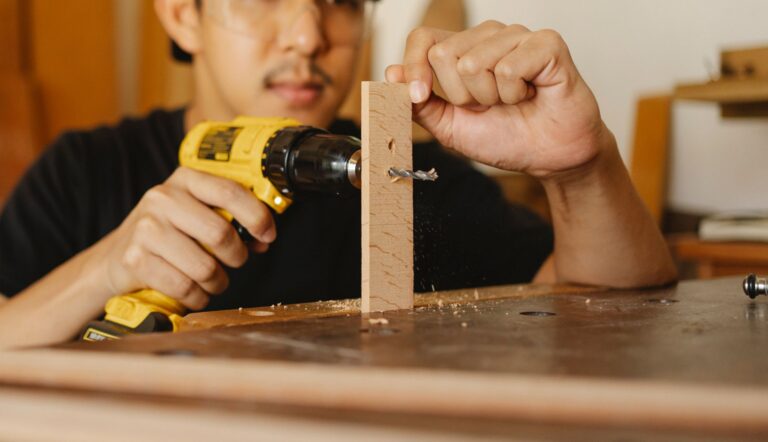
You want sanding tools that match the job, not just the label. Some projects call for palm-size control at the edge of a cabinet, while others need more reach, more speed control, or less fatigue during longer sessions. These six picks cover detail work, sheet-style sanding, random orbit smoothing, cordless rotary flexibility, and even sanding sponges for hand finishing.
Quick Look At The Shortlist
Genesis Detail Palm Sander GPS080

lvanji 90PCS Premium Micro Detail Sander Kit

WORKPRO 5-Inch Random Orbit Sander

Fanttik F2 PRO Cordless Rotary Tool Kit
NARBELL Orbital Sander 3.0AMP 5-Inch Light Gray

Afruxy Sanding Sponge 4-Pack with Protective Gloves
More Details On Our Top Picks
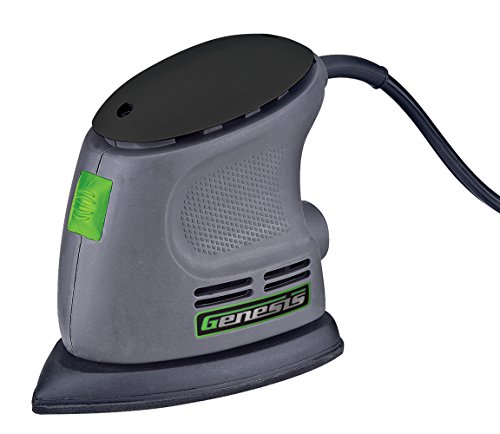
Small trim jobs usually expose the limits of larger sanders, and that’s where this Genesis palm sander makes sense. The vacuum port and hook-and-loop pad point to cleaner, faster sheet changes, while the dust-proof power switch adds a bit of day-to-day confidence in a workshop that sees regular use.
It fits people touching up cabinet edges, smoothing filler, or working on furniture parts in a garage with limited space. The honest trade-off is that a detail-style palm sander still asks for a steadier hand than a larger random orbit tool like the WORKPRO, so it suits controlled finishing more than fast stock removal.
Strong Points
- Palm grip shape supports close control on corners and edges.
- Hook-and-loop backing makes abrasive changes quick and simple.
- Vacuum port helps cut down loose dust around the workbench.
- Dust-proof switch is a smart touch for workshop upkeep.
Points To Note
- Best suited to detail work, not heavy leveling.
- Sheet sanding still takes a little more guide pressure than a rotary tool.
Feature Snapshot
Who It Suits Best
Home woodworkers who want a simple, compact sheet sander for trim, touchups, and edge cleanup will get the most from it.
A Better Fit Elsewhere
WORKPRO 5-Inch Random Orbit Sander suits you better for broader panels and faster smoothing across flats.
This kit leans more toward precision than speed, which is exactly why craft work and tight interior corners suit it so well. The 3-in-1 hand sanding block design gives you more ways to hold and guide the tool, and the 60 to 400 grit spread covers rough shaping through finer smoothing.
It makes sense for model work, small wooden parts, and DIY finishing where a full power sander would feel clumsy. Compared with the Genesis palm sander, this one trades motorized speed for finer hand control, so you stay closer to the surface and can slow down around delicate details.
Upsides
- Three-way block design adds flexibility in hand position.
- Wide grit range handles rougher prep and finer polishing stages.
- Good fit for narrow spaces where larger tools feel awkward.
- Useful for craft tables, trim details, and small repair work.
Room For Improvement
- Manual sanding takes more effort than powered alternatives.
- The kit works best for smaller surface areas.
Core Details
Who Should Grab It
You get the most value from this kit during small repairs, detail work, and hobby projects that reward control over speed.
Swap It Out When
NARBELL Orbital Sander 3.0AMP 5-Inch Light Gray fits better for you if you want a powered option for larger flat surfaces.
For broad wood panels, this WORKPRO model feels closer to the classic all-purpose sanding setup. The random orbit action, meaning the pad moves in small circles plus an offset orbit, helps reduce directional marks, and the six-speed range gives you room to slow down for finishing or speed up for heavier prep.
The 2.5 amp motor and included dust collector make it a strong everyday workshop tool, especially for furniture parts, cabinet doors, and shelf builds. You may find the corded setup a little less nimble than the Fanttik rotary kit, but the trade-off is better continuity for longer sanding sessions.
What We Like
- Six speeds help match the tool to different wood surfaces.
- Random orbit action suits smoother panel finishing.
- Dust collector supports tidier bench cleanup.
- Included sandpaper gives you a start right away.
Areas To Watch
- Corded use can feel less free around cluttered workspaces.
- Random orbit sanding still needs proper pressure control to avoid uneven results.
- Best for flatter surfaces, not intricate corners.
Technical Sheet
Made For
Woodworkers who want one corded sander for shelves, tabletops, and general prep work will find this a sensible fit.
A Better Fit Elsewhere
Genesis Detail Palm Sander GPS080 suits you better for trim edges and close-in touchups where a smaller footprint matters more.
Once you want one tool that can sand, polish, drill, carve, and cut, this Fanttik kit starts looking very practical. The magnetic motor, the Revostor Hub accessory system, and the five speed levels give it a flexible feel for small shop work, craft bench jobs, and detailed 3D-printed cleanup.
Its cordless setup makes it easier to move around a project or work away from a wall outlet, which helps in garages, apartment workbenches, and quick repair stations. Compared with the WORKPRO sander, this one gives you more task variety, though you give up the broader surface coverage that a 5-inch random orbit pad provides.
Reasons To Buy
- Lots of included accessories broaden the tool’s usefulness.
- Cordless format improves movement around benches and project pieces.
- Five speed levels give you better control for different materials.
- Useful for sanding as well as other small craft tasks.
- Compact format suits detailed work on 3D prints and hobby parts.
Small Caveats
- Accessory-heavy tools can take longer to sort and store neatly.
- It is better for detail jobs than large sanding panels.
- More functions also mean a slightly busier learning curve.
Details At A Glance
Perfect Match For
DIYers who want a cordless multitool for light sanding plus other precision tasks will get the most value here.
Look Elsewhere When
WORKPRO 5-Inch Random Orbit Sander suits you better for larger wood surfaces and smoother flat-panel finishing.
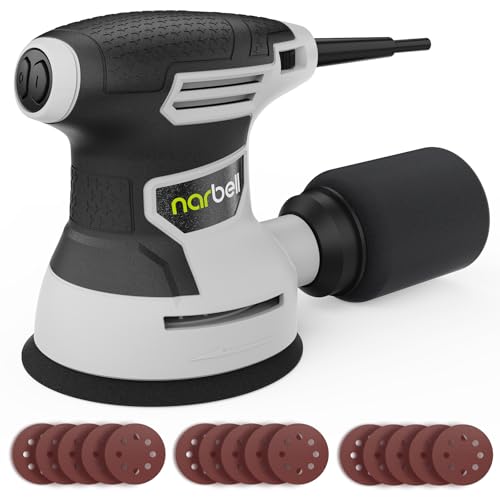
This NARBELL sander sits in the useful middle ground between compact detail work and broad random orbit smoothing. The 3.0 amp rating, 14000 RPM top speed, and six speed settings give you enough range for typical sanding jobs around shelves, tabletops, and repair pieces, while the dust bag helps keep cleanup from becoming a second project.
The light gray finish is cosmetic, but the overall kit feels aimed at everyday ownership rather than a specialty niche. Compared with the more flexible Fanttik kit, this one is simpler and more surface-focused, which can be easier to live with in a busy garage or small workshop.
Highlights
- Six speeds make it easier to match sanding intensity to the task.
- Dust bag gives you a straightforward cleanup path.
- 5-inch format suits common woodworking surfaces.
- Included sandpaper supports a quick start on routine projects.
Softer Spots
- Best for standard flat or gently curved surfaces.
- Dust bag use still leaves some cleanup after sanding.
- Less versatile than a multitool style kit.
Spec Overview
Whose Shelf It Belongs On
You should look here if you want a straightforward sander for regular home projects and do not need a specialty accessory system.
Reach For A Different Pick When
Fanttik F2 PRO Cordless Rotary Tool Kit is the smarter fit for you if mixed craft jobs matter more than simple orbital sanding.
Hand sanding still has a place, especially on drywall patches, metal edges, and spots where a powered tool feels too aggressive. This Afruxy sponge pack covers four grit levels, and the reusable dry-or-wet format makes it useful for touchups that need a softer touch than the Genesis or WORKPRO picks above.
The included gloves are a small but sensible addition for dusty cleanup jobs or repeated hand sanding sessions. The trade-off is obvious, though, because sponges move slower than powered sanders, so they suit finishing and spot correction more than bigger prep work.
Best Bits
- Four grit levels cover coarse through finer hand finishing.
- Reusable sponge format suits repeated touchup jobs.
- Dry and wet use adds flexibility for varied surfaces.
- Protective gloves make the kit feel more complete.
Areas To Watch
- Manual sanding takes more time than powered tools.
- Better for touchups than wide-area surface prep.
- Sponge tools need rinsing or cleaning between heavier jobs.
Feature Rundown
The Right Fit
Handy project fixers, drywall touchup work, and small metal smoothing jobs are where this set makes the most sense.
Where A Sibling Pick Shines
Genesis Detail Palm Sander GPS080 is the stronger choice for you if you want powered sanding with better dust management.
How To Choose The Right Handheld Sanders
Match the tool to the surface
Flat tabletops, cabinet panels, and shelves usually reward a 5-inch random orbit model such as the WORKPRO or NARBELL. Tight corners, trim, and edge touchups lean toward the Genesis palm sander or the lvanji hand kit. That match matters because the wrong pad size can leave you working longer than needed, and it can make clean edges harder to keep.
Think about motion, not just power
Random orbit action helps reduce visible swirl marks, which is useful on furniture and painted wood. A rotary multitool like the Fanttik gives you broader task variety, but it is a different kind of control than a dedicated sander. You’re choosing between surface speed, task flexibility, and how much correction you want to do by hand.
Plan for dust and cleanup
Dust collection, dust bags, and sponge cleanup habits matter more than they first appear. A vacuum port on the Genesis, a dust collector on the WORKPRO, or a bag on the NARBELL can keep your bench from turning into a mess. Hand sanding sponges are simpler, yet they often need more cleanup between uses.
Look at comfort during longer sessions
Palm grip shape, tool weight, and how often you’ll switch abrasives all affect fatigue. If you spend long stretches on small repairs, a lighter hand tool or a sponge can feel easier to live with. For bigger projects, a corded sander with variable speed often keeps the work moving with less stop-and-start effort.
A Quick Reality Check Before You Commit
Common Shopping Slip Ups
A frequent mistake is matching the tool to the wrong job size. Detail sanders handle edges well, but they slow down on full boards, while larger orbit sanders can feel clumsy on trim. Another easy miss is overlooking dust handling, which becomes annoying fast in a small garage or basement shop.
What The Higher Tier Buys
Higher-tier models usually spend more on control, accessory breadth, and cleanup support. That shows up in variable-speed ranges, better grip design, stronger motors, or extra attachments like the Fanttik’s 55 accessories. The upgrade makes sense when you sand often, move between tasks, or want one tool to cover more than a single purpose.
Closing Thoughts
The right handheld sander depends less on the label and more on the kind of work you do most. For trim and close detail, the Genesis and lvanji options make sense. For broader smoothing, the WORKPRO and NARBELL are easier to live with. If you want a tool for mixed DIY tasks, the Fanttik stands out, and the Afruxy sponge set stays useful for quiet hand finishing.