You want a utility knife that feels steady in the hand, opens cleanly, and fits the kind of work you actually do. That could mean trimming carpet, breaking down boxes in a garage, slicing packaging at a jobsite, or handling fine prep in a kitchen with less fuss. The right pick depends on blade style, grip shape, blade-change style, and how much weight you want in your pocket. This roundup keeps the focus on that real-world fit.
Quick Look At The Strongest Options
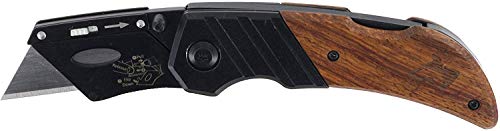
Husky 97211 Wood Handled Folding Sure-Grip Lock Back Utility Knife

OLFA 25mm Extra Heavy-Duty Utility Knife XH-1

OUTDOOR EDGE 2.5″ RAZOR-WORK RazorSafe Folding Utility Knife
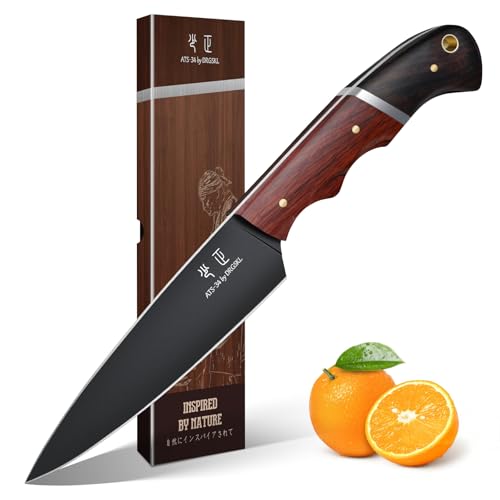
DRGSKL Kitchen Utility Knife From Japan 5 Inch

Klein Tools 44130 Auto-Loading Folding Utility Knife

Klein Tools 44006 Lockback Knife 2-5/8-Inch Hawkbill Blade
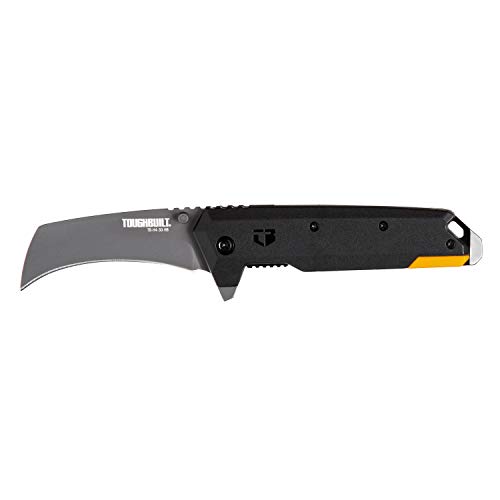
ToughBuilt Hawkbill Folding Knife TB-H4-30-HB
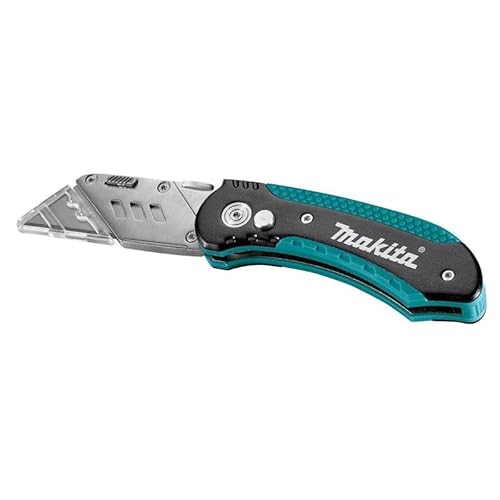
Makita Quick Change Folding Utility Knife
The wood handle gives this Husky a more traditional feel than the all-metal knives farther down the list. For daily tape, cardboard, and package work, that steadier grip can make the tool feel less slippery in a pocket or glove box. The lock-back design also keeps the blade in place during normal use, which is the part that matters most.
The honest read is that this one looks built for straightforward jobs, not flashy shop drama. A single disposable blade is included, so you can get moving right away, though you’ll want to keep extras nearby for regular use.
What We Like
- Wood handle brings a familiar, comfortable hold.
- Lock-back folding setup adds a stable feel during cutting.
- Easy to picture in a kitchen drawer, tool pouch, or glove compartment.
Small Caveats
- Wood finishes can show wear sooner than metal handles.
- Only one disposable blade comes in the box.
Feature Snapshot
Who It Suits Best
You get the most from this if you want a folding utility knife for home tasks, light workshop use, or basic carry without much fuss.
Where Another Pick Shines
OLFA 25mm Extra Heavy-Duty Utility Knife XH-1 suits you better for thicker materials and deeper, more controlled cuts.
This OLFA leans hard into control, especially for materials that ask for a deeper blade path and a steadier hand. The reinforced fiberglass handle should appeal to anyone who handles dense cardboard, insulation, craft stock, or flooring-type jobs and wants a knife that feels purpose-built rather than generic. Compared with the Husky, this one is more work-focused and less about pocket comfort.
The snap-off blade format is a practical detail, because you can expose fresh cutting length without swapping the whole blade right away. That said, the trade-off is blade management, so a tidy storage habit matters more here than with the disposable-blade Husky.
Reasons To Buy
- 25 mm blade width supports tougher cutting jobs.
- Custom cutting depth helps you match the task.
- Fiberglass handle brings a more rigid, work-ready feel.
- Snap-off design keeps usable blade length available longer.
Room For Improvement
- Bulkier than slimmer folding knives, so pocket carry feels less discreet.
- Snap-off blades ask for more attention during storage and cleanup.
Technical Sheet
Made For
You get the best fit here for jobsite work, thick material cutting, or anyone who wants a larger utility knife with more control than a compact folder.
A Better Fit Elsewhere
Makita Quick Change Folding Utility Knife suits you more if fast blade swaps matter more than the deeper, heavier feel of this OLFA.
Replaceable-blade systems often make sense for people who want a folding knife without the hassle of snap-off segments. This OUTDOOR EDGE model keeps the format compact at 2.5 inches, which helps in a tool pouch, desk drawer, or everyday carry setup. Compared with the OLFA above, it looks better suited to lighter, faster jobs than thick-material work.
The two included blades are a useful starting point, and the RazorSafe approach should feel familiar once you settle into the change process. The trade-off is that blade-specific systems can be less universal than standard utility formats, so matching replacement blades matters.
Upsides
- Replaceable blade setup avoids the stop-and-snap routine.
- Short, folding body is easier to carry day to day.
- Black finish gives it a clean, low-key look.
- Includes two blades, which helps with initial setup.
Minor Gripes
- Blade compatibility is narrower than universal-style cutters.
- Compact length can feel limited on larger, tougher materials.
Details At A Glance
Right Fit For
You get the most from this if you want a compact folding utility knife for light shop work, packaging, or carry that stays simple.
Consider Something Else When
OLFA 25mm Extra Heavy-Duty Utility Knife XH-1 is the stronger match for tougher jobs that need more blade width and deeper cuts.
This one steps away from jobsite cutters and into kitchen work, where balance and blade feel matter more than folding convenience. ATS-34 steel is a premium Japanese stainless steel often chosen for fine edge retention and cleaner slicing, while the full-tang build means the blade metal runs through the handle for a steadier feel. Against the folding picks above, it reads more like a compact prep knife than a utility knife in the usual sense.
The walnut handle adds warmth and shape without looking overdone, and the gift box makes it feel ready for storage or gifting. The honest caveat is that kitchen knives ask for more care, so you’ll want to keep it clean and dry rather than tossing it around like a box cutter.
Best Bits
- ATS-34 steel supports fine, careful slicing work.
- Full-tang construction adds a solid, continuous feel through the handle.
- Walnut handle gives the knife a more natural grip.
- 5-inch size works well for small prep tasks and trim cuts.
Points To Note
- Kitchen use calls for more upkeep than folding utility knives.
- Its role is narrower, so it is not the right match for rough jobsite cutting.
Core Details
The Right Fit
You get the most from this if your “utility knife” really means a compact kitchen blade for prep, garnish work, or quick slicing at home.
Swap It Out When
Husky 97211 Wood Handled Folding Sure-Grip Lock Back Utility Knife makes more sense for general-purpose carry and rougher everyday tasks.
Tool storage matters a lot on a workday, and this Klein leans into that with blade storage built into the body. The auto-loading folding format should appeal to you if you use utility knives often and dislike hunting for loose blades in a tool bag. Compared with the OUTDOOR EDGE pick, this one feels more jobsite-minded and more organized.
The pocket clip is a useful touch for anyone who keeps a knife on a belt, in a pocket, or clipped inside a bag. The trade-off is that extra hardware usually makes a tool feel a bit busier, so minimalists may prefer the simpler Husky or Makita options.
Strong Points
- Blade storage keeps spare blades close at hand.
- Auto-loading action streamlines blade handling.
- Pocket clip makes everyday carry easier to manage.
- Three included blades help set you up for regular use.
Areas To Watch
- More moving parts can mean more to keep track of.
- The folding body may feel busier than simpler utility knives.
Feature Card
Who Should Grab It
You get the best fit here for jobsite use, frequent box cutting, or any routine where blade storage and quick handling save time.
A Better Fit Elsewhere
Makita Quick Change Folding Utility Knife suits you better if you want a simpler folding tool with a more direct blade-change routine.
The hawkbill blade shape is the first thing that stands out here, and it matters because that curved profile helps with pulling cuts and controlled slicing. In narrow work areas, the 2-5/8-inch blade keeps the knife small enough to manage without feeling oversized. Compared with the straight-edged Klein 44130, this one is more specialized and more compact.
The aluminum handle should appeal to anyone who likes a lighter, more rigid pocket tool. One thing worth considering is that the hawkbill profile is excellent for certain jobs but less versatile for broad utility cutting, so it fits a narrower lane.
Bright Spots
- Hawkbill shape supports controlled pulling cuts.
- Short blade length helps in tighter work zones.
- Aluminum handle keeps the knife lightweight in carry.
- Lockback design gives the blade a steady feel.
Softer Spots
- Curved blade shape is less versatile than a standard straight edge.
- Best results come from task-specific use, not all-purpose cutting.
Core Details
Built With In Mind
You get the most from this if your work leans toward pulling cuts, tight access, or a smaller knife that stays easy to carry.
Another Choice May Suit
ToughBuilt Hawkbill Folding Knife TB-H4-30-HB suits you better if you want a larger blade and a heavier-duty folding format.
The ToughBuilt leans into a heavier-duty feel without turning into a bulky fixed tool. A 3.25-inch stainless steel blade gives you more working length than the compact Klein hawkbill, and the ergonomic grip should help on longer shifts or repeated cuts. In a busy garage or job bag, that mix of folding convenience and stronger materials feels well judged.
The titanium-coated steel frame adds a tougher finish, though the real-world trade-off is that this still sits in the folding-knife lane rather than the all-out utility-cutter lane. You may find it most appealing when you want one knife that handles rough chores without feeling overbuilt.
Highlights
- 3.25-inch stainless steel blade gives you more reach.
- Ergonomic grip supports longer, repeated cutting sessions.
- Folding layout keeps the knife easier to carry than fixed tools.
- Titanium-coated steel frame adds a more rugged feel.
Trade Offs
- Heavier-duty build can feel less minimal in a pocket.
- Hawkbill shape still suits some jobs better than others.
Spec Overview
Whose Shelf It Belongs On
You get the best fit here for hands-on work where you want a folding knife with a tougher build and a more comfortable grip.
Where A Sibling Pick Shines
Klein Tools 44006 Lockback Knife 2-5/8-Inch Hawkbill Blade is the better match for tighter spaces and smaller carry needs.
Quick-change design is a strong selling point for anyone who uses utility knives often enough to care about blade swaps becoming routine. With 10 blades included, this Makita feels ready for ongoing projects, and the folding format keeps the tool compact between uses. Compared with the Klein 44130, it strips away some storage features in favor of a cleaner, simpler carry.
The honest trade-off is that simplicity can feel a little less feature-rich than the knife above, but that also makes it easier to live with day to day. For most workshops, that balance is exactly what keeps a tool from becoming clutter.
Best Bits
- Quick-change setup helps speed up blade replacement.
- 10 included blades support longer-term use.
- Folding body makes the knife easy to store and carry.
- Clean, work-ready layout suits frequent task changes.
Worth Noting
- Less storage-focused than the Klein 44130.
- Simple design may feel plain next to more specialized knives.
Feature Rundown
Perfect Match For
You get the most from this if you want a folding utility knife for steady project use, simple maintenance, and a useful blade supply.
Look Elsewhere When
Klein Tools 44130 Auto-Loading Folding Utility Knife is the better fit if built-in blade storage matters more to you.
How To Choose The Right High End Utility Knives
Blade Style Sets The Job
Blade shape decides a lot more than looks. A hawkbill blade, like the Klein 44006 and ToughBuilt TB-H4-30-HB, curves inward for pulling cuts and close control, while a straighter utility profile works better for cardboard, tape, and general package work. The OLFA XH-1 goes even farther with a 25 mm snap-off blade, which suits thicker materials and more controlled depth.
That choice matters because the wrong shape can feel awkward fast. Home use usually favors broader utility blades, while jobsite tasks often reward a curved tip or a heavier-duty body.
Handle Material Changes The Feel
Wood, aluminum, fiberglass, and coated steel all bring a different kind of grip and weight. The Husky’s wood handle feels warmer and more traditional, while the Klein 44006’s aluminum body stays lighter and more rigid in carry. Fiberglass, as on the OLFA, tends to feel built for harder use, and titanium-coated steel on the ToughBuilt adds a tougher outer finish.
You should think about hand fatigue as much as appearance. Long shifts and repeated cuts usually reward a grip that feels secure without forcing you to squeeze harder than necessary.
Blade Changes Should Fit Your Routine
Some knives are built around disposable blades, some use snap-off segments, and some rely on quick-change or replaceable systems. That difference affects maintenance, pocket carry, and how often you stop to refresh the edge. The Makita’s quick-change approach and the Klein 44130’s blade storage both help frequent users stay organized.
The trade-off is simple: more convenience can mean more parts to manage. If you like a low-fuss setup, a straightforward folding knife may suit you better than a system with storage and loading hardware.
Match The Knife To The Setting
Kitchen work, jobsite work, and general home use do not ask for the same tool. The DRGSKL 5-inch kitchen knife belongs in prep spaces, while the Husky fits mixed household tasks and the OLFA fits thicker materials or craft work. A heavy-duty knife can feel excessive in a small apartment, and a compact folder can feel underbuilt in a warehouse or shop.
That’s the part many people miss. The smartest pick is not the most feature-packed one, it’s the one that feels natural in the place you’ll use it most.
Things Worth Knowing First
Mistakes Worth Dodging
One common slip is treating all utility knives as interchangeable. A kitchen blade, a hawkbill folder, and a snap-off cutter solve different problems, so your first step is matching shape to task. Another mistake is overlooking blade supply, because a knife that ships with only one blade can feel less ready than one that includes a small stack.
Handle size matters too. Compact models are easier to carry, but they can feel cramped in larger hands during longer cuts.
What The Higher Tier Buys
Higher-tier utility knives usually spend more on materials, blade systems, and ergonomics. You see that in the ATS-34 steel and full-tang construction on the DRGSKL, the reinforced fiberglass body on the OLFA, and the titanium-coated steel frame on the ToughBuilt. Those details do not just sound fancy, they change grip feel, balance, and how confident the tool feels during repeated use.
The upgrade is worth it when your knife sees steady work, not occasional opening duties. For light errands, a simpler folder can be enough, but frequent users usually feel the difference pretty quickly.
Closing Thoughts
You have a lot of good routes here, but the right one depends on how you cut, carry, and store the knife. For daily household use, the Husky feels friendly and simple, while the OLFA and Klein 44130 move closer to serious work. For kitchen prep, the DRGSKL stands apart in a useful way, and the ToughBuilt gives you a sturdier folding feel. Match the blade style to the job, and the rest gets easier.