

Picking the right 6 inch orbital sander comes down to what you sand most, how long you hold the tool, and whether dust control matters in your space. A body shop, a cabinet bench, and a weekend garage all ask for different things, even when the pad size looks the same. This roundup keeps the focus on fit, not fluff, so you can match motor style, orbit size, and handling to the work in front of you.
Quick Look At The Shortlist

Dynabrade Dynorbital-Spirit 6 in Random Orbital Sander
Ingersoll Rand 311A Dual-Action Angle Air Sander 6 in

Makita BO6030 6 in Random Orbit Sander

6 Inch 50 Pcs Wet Dry Sanding Discs Hook and Loop

DCK Random Orbital Sander 3.0 AMP Corded Palm Sander
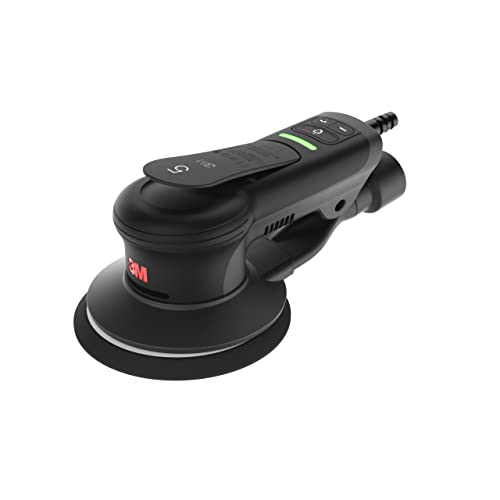
3M Xtract Electric Random Orbital Sander 88760 6 in

Ingersoll Rand 4151 Random Orbital Air Sander 6 in

6 in Air Sander Kit Garage-Ready Dual Action Tool
More Details On Our Top Picks
Dynabrade’s 6 inch air sander reads like a tool for careful finishing, not rough impatience. The 3/32 inch orbit keeps the cut subtle, which suits auto prep, cabinet edges, and other surfaces where you want control more than speed. Since it runs on pneumatic power, you’ll need a compressor that can keep up, but the payoff is a nimble feel in steady shop work.
Compared with the Ingersoll Rand 311A, this one leans more toward finesse than brute shop rhythm. The lack of vacuum support also means dust management falls to your setup, so it fits best in a shop that already has extraction or good cleanup habits. The honest read is that it makes more sense for precision-minded users than for casual weekend sanding.
Strong Points
- Small orbit size helps leave a finer finish on flats and curves.
- 6 inch pad covers broad panels without feeling oversized.
- Pneumatic drive keeps the body slim and well suited to shop hoses.
- Good match for auto body prep and finish sanding.
Points To Note
- It depends on compressed air, so the rest of your setup matters.
- Non-vacuum design puts dust control on your workspace, not the tool.
- It makes less sense for a tiny home bench with no compressor.
Feature Snapshot
Who It Suits Best
Finish-focused mechanics and shop users who already run pneumatic tools will get the most from it.
A Better Fit Elsewhere
Makita BO6030 6 in Random Orbit Sander suits you better for a corded setup with speed control and built-in dust collection.
This Ingersoll Rand model feels built for repeated shop use, with a 6 inch adhesive pad and a 12,000 RPM air motor that suits steady sanding sessions. The side exhaust helps steer air away from the working face, which matters more than it sounds in a cramped garage or paint bay. You may find it especially natural in an automotive setting, where a straightforward dual-action air sander often earns its keep.
Relative to the Dynabrade, this one looks a bit more like a general shop workhorse than a finesse-first finisher. The 0.25 hp rating suggests enough reserve for regular use without tipping into bulky territory, though you still need a dependable air supply. It’s a strong fit for users who prefer familiar air-tool behavior and don’t mind managing hoses.
What We Like
- 12,000 RPM supports steady removal and smoothing in routine shop tasks.
- Side exhaust keeps airflow pointed away from the work area.
- 6 inch adhesive pad gives you a broad working face.
- Air-powered design suits garages already set up for compressors.
Worth Noting
- Air supply demands can be a hurdle for smaller home setups.
- Adhesive-pad format is less convenient than hook-and-loop paper changes.
- Hose management becomes part of the workflow.
Core Details
Built With In Mind
Garage users and automotive hobbyists who already depend on air tools will find the setup familiar.
Where A Sibling Pick Shines
Makita BO6030 6 in Random Orbit Sander suits you better for corded use and easier dust control on a mixed-purpose bench.
The Makita BO6030 sits in that useful middle ground where control, comfort, and cleanup all matter at once. A variable-speed dial from 4,000 to 10,000 OPM, or orbiting strokes per minute, gives you room to slow down on delicate surfaces and speed up on larger sanding jobs. The through-the-pad dust system with a bag helps keep the work area calmer, which is a real plus in a home shop or a small garage.
Compared with the Ingersoll Rand air models, this corded sander avoids compressor planning and feels more self-contained. The 1/8 inch orbit is larger than the Dynabrade’s, so you gain a bit more action while still aiming for a smoother finish than a coarse removal tool would. It’s the easy recommendation for mixed-use sanding, even though some users may want a more aggressive cut for rough stock prep.
Upsides
- Variable speed helps you match the tool to soft wood, trim, or general prep.
- Through-the-pad dust collection with a bag keeps cleanup more manageable.
- Rubberized rear handle is built to calm vibration at the hand.
- 1/8 inch orbit supports a clean finish without feeling too slow.
Small Caveats
- Corded use ties you to outlet placement.
- The bag-based dust setup will not match a dedicated vacuum system.
- Those wanting fast stock removal may want a stronger cut.
Details At A Glance
Who Will Love This
Home shop users and finish carpentry hobbyists who want one sander for a wide range of tasks will appreciate it.
Another Choice May Suit
3M Xtract Electric Random Orbital Sander 88760 6 in suits you better for a dust-managed workspace built around central vacuum hookup.
This set is less about the sander body and more about keeping your 6 inch setup supplied with useful discs. The assorted grits, from 1000 through 5000, suit finer finishing passes, polishing prep, and detail work where you want gradual refinement instead of fast removal. Since these are hook-and-loop discs, pad changes stay quick on compatible tools, which is handy in a busy garage or on repeat finishing jobs.
Compared with the sander picks above, this is the accessory that helps those machines do their real work. The wet-dry design makes it a practical fit for automotive and woodworking touch-up, though your results will still depend on using the right grit progression. The trade-off is simple, these discs are only useful if your pad and task match the diameter and finish range.
Bright Spots
- Five fine grits give you room to step through finishing stages.
- Wet-dry construction adds flexibility for different sanding styles.
- Hook-and-loop backing keeps disc swaps fast on compatible pads.
- Useful for polishing prep, automotive touch-ups, and fine wood finishing.
Areas To Watch
- It only helps when your sander uses the same attachment style.
- Fine grits are not the answer for heavy material removal.
- Keeping discs organized by grit saves time on the bench.
Spec Overview
Whose Shelf It Belongs On
You get the most from this set in a shop that already owns a compatible 6 inch random orbital sander.
Reach For A Different Pick When
Makita BO6030 6 in Random Orbit Sander makes more sense when you want the tool itself rather than the sanding media.
The DCK brings a corded palm-sander format that feels approachable for home woodwork and furniture refresh work. Six speed settings and a max of 12,000 OPM give you room to slow the action down for lighter passes or open it up for quicker smoothing. The included sandpapers and dust bag make it easier to get started right away, which helps in a garage where you want fewer loose parts to track down.
Unlike the Makita BO6030, this one offers a simpler, more budget-conscious route without as much emphasis on refined dust handling or a premium feel. The 5 inch pad is also smaller than the 6 inch models in this roundup, so it handles tighter work more easily but covers less surface per pass. That trade-off suits trim, furniture, and general DIY sanding more than large-panel production work.
Reasons To Buy
- Six speed settings let you tailor the pace to different materials.
- 5 inch pad is handy for furniture edges and smaller pieces.
- Included sandpapers shorten the setup time on day one.
- Low-vibration design aims for a calmer grip during longer sessions.
Room For Improvement
- Smaller pad size means more passes on broad surfaces.
- Dust bag collection stays basic beside vacuum-fed systems.
- It looks better suited to home use than demanding shop cycles.
Core Details
Made For
Home woodworkers and furniture refresh projects suit this tool well, especially in compact work areas.
Where Another Pick Fits Better
Makita BO6030 6 in Random Orbit Sander is the better match for you when a larger pad and stronger dust control matter more than compact handling.
This 3M Xtract model is aimed at cleaner sanding setups, thanks to its central-vacuum design and 6 inch pad. The 3/16 inch orbit gives it a more assertive motion than the Dynabrade’s finer orbit, so you get a bit more working bite while still staying in random-orbit territory. In a woodworking or metal-fabrication shop with dust extraction already in place, that combination can make daily sanding feel less messy.
Compared with the Makita BO6030, this pick is more specialized and less universal, which is the honest trade-off. The 350W motor and 110V corded power tell you it’s meant for a dedicated bench, not an everywhere tool. You’ll like it most in a shop that already thinks about airflow and cleanup as part of the workflow.
Highlights
- Central-vacuum setup is a major help in dust-conscious shops.
- Ergonomic, lightweight design should feel easier during longer sessions.
- 3/16 inch orbit gives a more active sanding pattern.
- 6 inch pad suits broader panels and flat stock.
Honest Caveats
- Best fit depends on already having vacuum support.
- It is more specialized than a simple corded generalist.
- 110V power and 350W output point to a fixed-shop role.
Technical Sheet
The Right Fit
You get the best use from this sander in a shop that already uses central dust extraction.
Look Elsewhere When
Makita BO6030 6 in Random Orbit Sander makes more sense for a broader mix of jobs and simpler dust handling.
The Ingersoll Rand 4151 keeps things straightforward with a 6 inch vinyl pad, 3/16 inch orbit, and 12,000 RPM air drive. That combination leans toward brisk sanding in a garage or repaint prep workflow, where a simple orbital air tool earns trust through familiarity rather than extras. You may find it appealing if you want a dependable, no-nonsense setup and already run air tools in the shop.
Compared with the 311A above, this model uses a slightly lower 0.2 HP rating, so the tone here is more restrained than aggressively muscular. That does not make it weak, just more clearly aimed at regular use instead of heavy push. The vinyl pad also adds a practical, easy-to-live-with surface for disc work.
Best Bits
- 3/16 inch orbit gives you a useful balance of cut and finish.
- 12,000 RPM supports lively sanding in routine garage work.
- Vinyl pad is a familiar, practical platform for discs.
- Simple air-tool format fits users who like direct controls.
Things To Consider
- Still depends on compressor support.
- It is less feature-heavy than some corded options in this list.
- Disc changes and pad care matter for keeping the surface clean.
Feature Card
Best Suited To
Garage users who want a simple air sander for repaint prep and general smoothing will feel at home with it.
Skip It When
3M Xtract Electric Random Orbital Sander 88760 6 in is the smarter choice for a dust-managed shop that wants electric power instead of air plumbing.
This KUIMIT kit is the most setup-friendly option in the group because it bundles the tool with extras rather than making you piece together the first purchase. The dual-action format suits car detailing and woodworking, and the palm-sized body should feel manageable in a garage where space is tight. For a first air-sander setup, that kind of completeness can save a few headaches.
Compared with the plain Ingersoll Rand 4151, this one looks more welcoming for someone building out a home kit from scratch. The flip side is that bundled accessories do not replace the need to check compressor support and disc compatibility. The honest read is that it fits beginners and casual garage users better than buyers chasing a highly specialized finishing machine.
Positives
- Kit format helps you start with fewer separate purchases.
- Dual-action sanding suits detailing and light woodworking.
- Palm-sized body should feel easy to hold in tight spaces.
- Good starting point for a garage tool shelf.
Softer Spots
- Accessory bundles still need matching compressor support.
- Kit value depends on whether you need the extras.
- It is more of a starter setup than a specialist tool.
Feature Rundown
Perfect Match For
First-time garage setups and casual detail work suit this kit best, especially when you want a ready-to-go package.
Swap It Out When
Dynabrade Dynorbital-Spirit 6 in Random Orbital Sander suits you better for finer finishing and a more serious shop-first feel.
How To Choose The Right 6 Inch Orbital Sanders
Match The Orbit To The Finish
Orbit size shapes the sanding mark and how quickly the tool moves material. Smaller orbits, like the Dynabrade’s 3/32 inch orbit, lean toward cleaner finishing, while larger ones such as the 3/16 inch setups on the 3M Xtract and Ingersoll Rand 4151 work with a bit more bite.
That matters in real use because furniture edges, automotive prep, and broad flat panels do not all want the same touch. A finish-first bench usually benefits from a calmer orbit, while rougher prep work can tolerate more motion. Choose the orbit with the job in mind, not just the pad diameter.
Decide Between Air And Corded Power
Air tools like the Dynabrade, Ingersoll Rand models, and KUIMIT kit keep the tool body lean, but they depend on compressor support. Corded picks such as the Makita BO6030 and 3M Xtract remove that compressor planning, which helps in home shops and mixed-use garages.
The trade-off shows up in setup and mobility. Air tools can feel lighter in hand, while corded tools are easier to bring into a small workspace and keep running without extra hardware. For frequent garage work, the simpler power path often matters more than spec sheets suggest.
Think About Dust And Cleanup
Dust collection changes the day-to-day experience more than many shoppers expect. The Makita BO6030 uses through-the-pad collection with a bag, while the 3M Xtract is built for central vacuum use, so both aim to keep the work area cleaner than a bare open setup.
That helps with visibility, cleanup, and general comfort around a bench. The catch is that better dust handling can mean more setup, more fittings, or a need to keep bags and hoses in order. In a busy shop, that trade-off is often worth it.
Match Pad Size To Your Surface Area
Six inch pads cover broad panels well, which makes them useful for doors, tabletops, and body panels. The DCK’s 5 inch pad is easier to steer on smaller furniture parts, but it takes more passes on larger surfaces.
That simple size choice affects fatigue too. A larger pad can move a job along faster, while a smaller one can feel easier to control around edges and trim. The right answer depends on whether you work across wide flats or spend more time on detailed pieces.
What To Weigh Before You Narrow It Down
Common Shopping Slip Ups
Many shoppers focus on pad size and ignore the power setup. A 6 inch air sander sounds simple until you realize your compressor can’t keep pace, or your hose setup gets in the way of the workbench.
Another easy miss is dust handling. A tool without vacuum support may still work well, but your cleanup routine gets heavier, especially in a small garage or enclosed shop.
Where The Extra Money Goes
Higher-tier models usually put the extra cost into smoother feel, better dust management, and more thoughtful balance. That shows up in tools like the Makita BO6030 and 3M Xtract, where speed control or vacuum support changes the day-to-day experience.
Spending up makes sense when you sand often, care about finish quality, or work in a space where cleanup time adds up. For occasional use, a simpler air model or the KUIMIT kit can keep things sensible without paying for features you will not lean on.
Frequently Asked Questions
What does orbit size change on an orbital sander?
Orbit size affects how aggressively the pad moves and how fine the finish can look. Smaller orbits usually suit final smoothing, while larger ones remove material a bit faster.
Is a 6 inch sander too large for home use?
Not necessarily. A 6 inch pad is useful for bigger flat surfaces, though a 5 inch model can feel easier in tighter spaces.
Do air sanders need special maintenance?
They need clean, reliable air supply and regular care for hoses, fittings, and moving parts. Keeping the pad and disc surface clean also helps the tool behave consistently.
Why do some sanders mention vacuum support?
Vacuum support helps pull dust away from the work area while you sand. That can improve visibility and reduce cleanup, especially in enclosed shops.
Which type works better for a garage setup?
That depends on what’s already in your garage. Corded models are simpler to start with, while air models suit garages that already have a compressor and hose system.
Closing Thoughts
You now have a cleaner way to sort through 6 inch orbital sanders: finish quality, power source, dust control, and pad size all tell you something different about real-world fit. The best match for you is the one that fits your space and the kind of surfaces you sand most often. A careful choice here saves time every time you set the tool down and pick it back up.



