Choosing a heavy hammer is less about brute force and more about matching the tool to the job. A long handle helps with leverage on demolition and staking, while a shorter one feels tighter in cramped work zones and tougher to store in a truck box. You’ll find both classic sledge patterns and a few specialty shapes here, so you can match your pick to concrete, posts, tires, and general jobsite work without overbuying the wrong tool.
Quick Look At The Shortlist

Wilton B.A.S.H 30" Dead Blow Hammer 8 Lb Head

Wilton B.A.S.H 36" Soft Face Sledge Hammer 10 Lb Head

Groz 10 lb Tire Bead Breaker Hammer 32" Steel-Reinforced Handle

Wilton B.A.S.H 36" Spike Maul 10 Lb Head

Wilton B.A.S.H 36" Sledge Hammer 10 Lb Head

Wilton B.A.S.H 30" Sledge Hammer 10 Lb Head
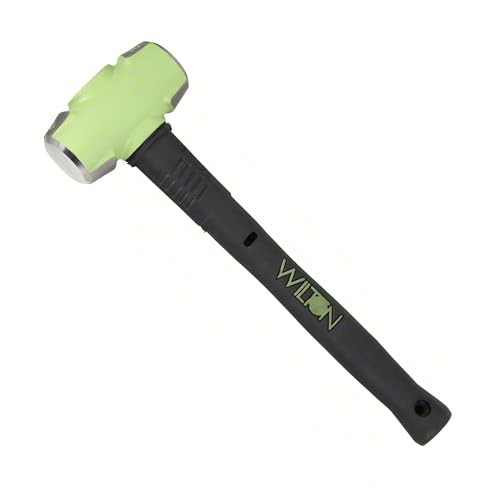
Wilton B.A.S.H 24" Sledge Hammer 10 Lb Head

Wilton B.A.S.H 16" Sledge Hammer 10 Lb Head

Wilton B.A.S.H 16" Sledge Hammer 8 Lb Head

ESTWING Sure Strike Engineer's Hammer MRF64E 64 oz
More Details On Our Top Picks
The dead-blow design makes this one feel more controlled than a plain steel sledge, because the head is built to reduce bounce during repeated strikes. A 30-inch handle gives you useful reach without pushing the tool into the longer, more tiring territory of the 36-inch picks lower down the list.
That balance suits garage work, equipment adjustment, and jobs where you want momentum without a wild follow-through. You may find it a better fit than the heavier 10-pound options if your work leans toward controlled impact instead of raw driving force.
Strong Points
- Dead-blow style helps limit rebound.
- 30-inch handle gives solid leverage.
- Better control for repeated strikes.
- Useful for garage and shop tasks.
Things To Consider
- Less brute force than the 10-pound head models.
- Not the best match for deep post driving.
- Longer storage space than a short maul.
Feature Snapshot
Who It Suits Best
Garage tinkerers and maintenance-minded DIYers who want a controlled heavy hitter will get the most from this one.
A Better Fit Elsewhere
Wilton B.A.S.H 36" Sledge Hammer 10 Lb Head suits demolition-focused work better, especially for you if maximum swing length matters more than finesse.
A 36-inch handle gives this Wilton the kind of leverage that matters on stubborn demolition, and the 10-pound head adds the mass you want for forceful work. Compared with the 8-pound dead-blow above, this pick leans harder into raw striking power than controlled rebound management.
That makes sense for outdoor repairs, concrete break-up, and other jobs where reach helps keep your hands away from the impact zone. The trade-off is plain enough: it’s a lot of hammer, so casual indoor use can feel excessive fast.
What We Like
- Long handle supports strong leverage.
- 10-pound head brings serious momentum.
- Good fit for demolition-heavy work.
- Pairs reach with broad striking force.
- Fits the role of a main shop sledge.
Room For Improvement
- More tool than many home projects need.
- Longer handle means more storage demand.
- Can feel tiring during short, repeated jobs.
Core Details
Built With In Mind
You get the most from this hammer in demolition-minded setups, especially for contractors and serious DIYers working outdoors.
Where A Sibling Pick Shines
Wilton B.A.S.H 30" Sledge Hammer 10 Lb Head suits you better than this one if you want similar force with a shorter, easier-to-handle profile.
This Groz stands apart because it’s shaped for tire work first, not general demolition. The forged 10-pound head and 32-inch handle are built to give you leverage against stubborn truck and tractor beads, and the three-in-one wedge, tipper, and sledge setup makes it more specialized than the Wilton hammers above.
That kind of focus matters in a shop that sees heavy wheels often, because you’re not juggling a general-purpose hammer and a separate bead-breaking tool. The honest read is that casual users may not need this much specialization, but fleet maintenance crews will understand the logic fast.
Bright Spots
- Purpose-built for tire bead work.
- 32-inch handle helps with leverage.
- Three-in-one format reduces tool swapping.
- Forged 10-pound head supports heavy strikes.
Minor Gripes
- Specialty shape makes it less universal.
- Not the first pick for general demolition.
- Large profile takes up truck or shop space.
Details At A Glance
Whose Shelf It Belongs On
You’ll get the most from this hammer in a tire shop, on a farm, or in fleet maintenance where heavy truck and tractor wheels are part of the routine.
Look Elsewhere When
Wilton B.A.S.H 36" Soft Face Sledge Hammer 10 Lb Head is the simpler route for general demolition, especially for you if tire service is only an occasional task.
The spike maul shape changes the conversation from broad striking to focused driving, which is exactly why it sits apart from the regular sledge entries here. A 46 HRC head means the striking end is hardened to handle demanding use, and the steel-core handle design aims to stand up to overstrikes, those mis-hits that land on the handle instead of the target.
That combination suits posts, stakes, and other jobs that need concentrated force rather than a wide blow. You may find it a little specialized for everyday demolition, but that’s the point of the design.
Standout Traits
- Spike maul head targets driving jobs.
- Hardened 46 HRC head adds toughness.
- Steel-core handle resists overstrike damage.
- 36-inch length supports strong leverage.
Areas To Watch
- Specialty form is less versatile than a plain sledge.
- Overkill for basic home repairs.
- Heavier head can feel demanding on long jobs.
Quick Facts
Best Suited To
You’ll like this most in fencing, landscaping, and site work where stakes or spikes need controlled driving force.
Another Choice May Suit
Wilton B.A.S.H 36" Sledge Hammer 10 Lb Head is the easier all-purpose pick for you if your tasks shift between breaking, setting, and general demolition.
This is the straightforward long-handle sledge in the bunch, and that simplicity is part of the appeal. A 36-inch handle paired with a 10-pound head gives you the familiar mix of reach and force that works for demolition, breaking stubborn material, and general heavy striking around a jobsite.
Compared with the spike maul and tire-specific Groz model, it’s the least specialized of the heavy-duty options here. That makes it the sensible middle ground for a workshop, farm shed, or construction trailer where one hammer has to cover a lot of ground.
Highlights
- Simple, familiar sledge format.
- 36-inch handle helps with leverage.
- 10-pound head supports forceful work.
- Easy fit for broad demolition tasks.
Softer Spots
- Less specialized than the spike maul or bead breaker.
- Long handle needs more storage room.
- May feel heavy for occasional home use.
Spec Overview
Made For
You’ll appreciate this most in general trade work, farm repairs, and demolition jobs that need a dependable all-round heavy hitter.
Swap It Out When
Wilton B.A.S.H 30" Sledge Hammer 10 Lb Head suits you better if storage space is tighter or you prefer a slightly easier swing arc.
The 30-inch handle puts this Wilton in a sweet spot for people who want serious weight without committing to the longest handle in the group. That shorter reach can feel easier to place in tight workspaces, and it still gives enough leverage for demolition, stake driving, and hard-hitting maintenance jobs.
Compared with the 36-inch version above, you give up a bit of reach, but you gain a hammer that feels a touch less unwieldy in close quarters. The honest read is that this is often the better everyday heavy hammer for garages, barns, and mixed-use tool kits.
Positives
- 30-inch handle feels more manageable.
- Still offers strong leverage.
- Good for mixed heavy tasks.
- Less awkward in tighter spaces.
Points To Note
- Shorter reach than the 36-inch model.
- Still a heavy tool to store.
- Not as compact as the 24-inch version.
Feature Card
Right Fit For
You’ll get the best match here for general shop use, rural property work, and anyone who wants one serious hammer without a huge swing radius.
Reach For A Different Pick When
Wilton B.A.S.H 24" Sledge Hammer 10 Lb Head is the better call for you if your work area is tighter and you want even quicker handling.
Shorter than the 30-inch and 36-inch Wiltons, this one is built for spaces where a longer swing would be awkward or overkill. The 10-pound head keeps it firmly in heavy-tool territory, but the 24-inch handle trims some reach so you can work closer to the target without as much sweep.
That makes it a smart fit for compact job sites, utility work, and vehicle-side tasks where a big arc would get in the way. You may find it less relaxing on repeated swings than the longer models, yet the trade-off is better control in tight spots.
Reasons To Buy
- Shorter handle improves close-quarters control.
- 10-pound head keeps impact serious.
- Good compromise between weight and maneuvering room.
- Useful for truck beds and tight work zones.
Small Caveats
- Less leverage than the 30-inch and 36-inch picks.
- Still heavy for quick one-off tasks.
- May feel a bit abrupt on long sessions.
Technical Sheet
Who Should Grab It
You’ll like this most for compact job sites, light construction setups, and vehicle work where a shorter swing path matters.
Skip It When
Wilton B.A.S.H 36" Sledge Hammer 10 Lb Head suits you better if long leverage is your priority and space is not tight.
This short Wilton is the most compact 10-pound option in the lineup, and that changes how it behaves in use. A 16-inch handle keeps the tool close to the work surface, which can help in crawl spaces, vehicle maintenance, and other spots where a longer handle would be clumsy.
The trade-off is leverage, plain and simple. Compared with the 24-inch, 30-inch, and 36-inch picks, you give up swing arc, but you gain a hammer that’s easier to tuck into a packed toolbox or move around in a cramped bay.
Best Bits
- Shortest 10-pound version here.
- Easy to manage in tight zones.
- Good for close-in striking work.
- Stores more easily than longer hammers.
Worth Noting
- Less leverage than longer Wilton models.
- Not the easiest choice for broad demolition.
- Short handle can feel abrupt on repeated swings.
Core Details
Built With In Mind
You’ll get the most from this one in tight bays, service trucks, and confined work areas where reach matters less than control.
Where A Sibling Pick Shines
Wilton B.A.S.H 24" Sledge Hammer 10 Lb Head suits you better if you want a little more leverage without jumping all the way to the long-handle models.
This version keeps the short 16-inch format but drops to an 8-pound head, so the feel shifts toward lighter impact and easier handling. That makes it a sensible option for less demanding work where a full 10-pound hammer would be more than you need.
Compared with the 10-pound 16-inch model above, you give up striking mass but gain a tool that should feel a bit less punishing during repeated use. The honest read is that it makes sense for occasional maintenance and lighter-duty shop work more than heavy demolition.
Upsides
- Lighter than the 10-pound 16-inch model.
- Short handle supports tight work areas.
- Easier to handle for lighter jobs.
- Good fit for occasional use.
Room For Improvement
- Less force than the 10-pound versions.
- Not the best match for tougher demolition.
- Still short on leverage compared with longer options.
Feature Rundown
The Right Fit
You’ll get the most out of this one for lighter maintenance, garage tasks, and anyone who wants a shorter hammer without the full 10-pound heft.
Reach For A Different Pick When
Wilton B.A.S.H 16" Sledge Hammer 10 Lb Head makes more sense for you if your work leans toward heavier impacts and frequent striking.
This ESTWING shifts away from the larger Wilton sledges and lands in a more compact engineer’s-hammer shape. The fiberglass handle and no-slip cushion grip should appeal to you in light masonry and general utility work, especially where comfort in hand matters more than sheer mass.
At 64 ounces, it’s far lighter than the 10-pound hammers above, so the comparison is really about control, not brute force. You may find it the better choice for shorter jobs, but it won’t replace a true heavy sledge for demolition.
Positives
- Fiberglass handle helps keep weight in check.
- Cushion grip adds a more secure hold.
- Useful for lighter masonry and utility work.
- Smaller than the full sledge entries here.
Areas To Watch
- Much lighter than the 10-pound hammers.
- Not a direct substitute for hard demolition.
- Less reach than the long Wilton sledges.
Feature Card
Who Will Love This
You’ll like this best for lighter masonry tasks, utility work, and jobs where a more compact hammer makes sense.
Where Another Pick Suits Better
Wilton B.A.S.H 16" Sledge Hammer 8 Lb Head is the stronger fit for you if you still want a short hammer but need more striking weight.
How To Choose The Right 10 Lb Sledge Hammers
Start With Handle Length
Handle length changes the whole feel of a heavy hammer. A 36-inch model gives you more leverage and a wider swing arc, which helps in demolition and driving work, while a 16-inch or 24-inch version keeps the tool closer to the body for tighter spaces.
That trade-off matters in real use. Long handles suit open yards, framing sites, and farm work, while shorter handles are easier in garages, utility trucks, and narrow work bays.
Match The Head Style To The Task
A plain sledge head spreads across many heavy jobs, from breaking material to moving stubborn stakes. A spike maul narrows the striking end for driving posts, and a dead-blow style is built to soften rebound for more controlled impact.
Specialty shapes save time in the right job, but they narrow the tool’s range. A general sledge stays more versatile, which is why it often fits mixed tool kits better.
Think About Weight, Not Just Size
A 10-pound head delivers noticeably more force than an 8-pound model, but the extra mass also asks more of your arms and shoulders. For a few hard hits, that’s manageable, yet long sessions can feel taxing fast.
You’ll usually be happier with the heavier head for demolition and post driving, and better served by the 8-pound option for lighter maintenance or occasional use.
Look At Durability Features Closely
Hammer durability comes from the head material, handle construction, and how the tool handles overstrikes. Steel-core handles, hardened heads, and reinforced grips all help the hammer stand up to rough work.
That matters because heavy tools live a hard life in trucks, sheds, and shop corners. The more often you swing around metal, rock, or concrete, the more those build details start to matter.
Things Worth Knowing First
Common Shopping Slip Ups
One easy mistake is buying too much hammer for the job. A full 10-pound sledge can feel clumsy in a garage, while a short handled model can leave you wanting more leverage on outdoor demolition.
Another common miss is ignoring the head style. A spike maul is great for posts, but it’s more specialized than a plain sledge, so it can feel limiting outside that role.
Where The Extra Money Goes
Higher-tier sledges usually spend their budget on handle construction, strike-face hardness, and grip comfort. Those upgrades matter because they affect durability and how the tool feels after repeated swings.
That extra spend makes more sense for regular site work, farm repairs, or anyone who leans on the hammer often. For light seasonal use, a simpler build can be enough.
Frequently Asked Questions
What size handle works best for most heavy-duty jobs?
A 30-inch handle tends to strike a good balance between leverage and control. A 36-inch handle gives you more reach, but it also asks for more room and more effort.
Is a 10-pound head too heavy for home use?
For occasional home repairs, it often is. A lighter head or a shorter, more compact hammer usually feels easier to manage.
What makes a spike maul different from a regular sledge?
A spike maul uses a focused striking end for driving posts and stakes. A regular sledge spreads its usefulness across broader demolition and breaking tasks.
Do shorter sledge hammers lose usefulness?
They lose leverage, but they gain control in cramped spaces. That makes them practical for vehicle work, small bays, and close-in striking.
Why choose a dead-blow hammer instead of a standard sledge?
A dead-blow design reduces rebound and feels calmer during repeated strikes. That can help in shops and assembly tasks where controlled impact matters more than raw force.
Final Thoughts
Your best match depends on where the hammer will live and how hard you plan to lean on it. For general demolition, the Wilton B.A.S.H 36-inch and 30-inch sledges make the most obvious sense, while the Groz and spike maul serve more specialized work. Shorter Wilton models suit tighter spaces, and the ESTWING fits lighter masonry needs better than heavy break-down jobs. Pick the tool that matches your actual routine, and it’ll feel right in your hands long after the first swing.