Pipe work gets messy fast when the cutter slips, binds, or leaves a ragged edge behind. You need the right tool for the pipe material, the diameter, and the kind of job in front of you, whether that’s copper in a bathroom wall, PVC under a sink, or steel tubing in a workshop. This roundup keeps the focus on practical fit, not hype, so you can match the cutter to the work instead of forcing the work to match the tool. The result should feel a lot less like guesswork and a lot more like a clean, controlled pass.
Quick Look At The Shortlist

Milwaukee 2471-20 M12 Cordless Copper Pipe and Tubing Cutter

Spurtar Mini Pipe Cutter Tool 1/8” to 1-1/8”
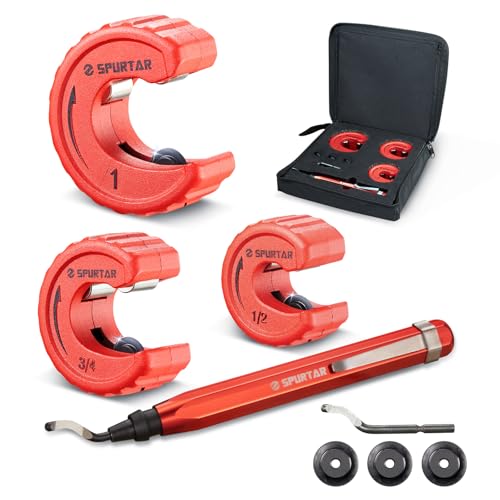
Spurtar 4pcs Pipe Cutter Tool Set with Deburring Tool
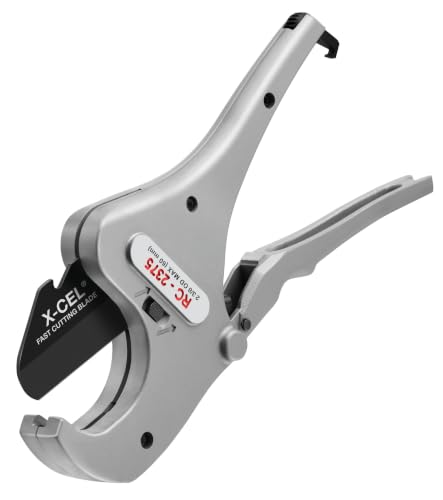
RIDGID 30088 RC-2375 Aluminum Ratchet Action Cutter

Ridgid 31642 Model 152 Quick-Acting Tubing Cutter

DEWALT Impact Connect Pipe Cutter DWAIPCIR

PVC Pipe Cutter with SK5 Blade and Aluminum Body
QWORK Heavy Duty Pipe Cutter 1/8-inch to 2-inch

ValueMax PEX Cutter, Hose Cutter, Tubing Cutter
More Details On Our Top Picks
For plumbing runs that involve a lot of repeat cuts, this cordless Milwaukee keeps the process moving without turning the job into a wrist workout. The automatic adjustment matters most with type K, L, and M copper, since the tool is built to adapt from 3/8 inch to 1 inch rather than making you fuss with constant reset steps.
The sealed head is the practical detail here, especially around wet work zones where splashes are part of the day. Battery is not included, so the total setup makes more sense for Milwaukee M12 tool owners than for someone starting from scratch.
Strong Points
- Automatic sizing trims setup time on copper runs.
- Cordless operation suits cramped spots under sinks and in cabinets.
- The sealed head gives you a better fit for damp plumbing areas.
- Handy for repeated cuts on type K, L, and M copper.
Points To Note
- You need to supply the battery separately.
- It is aimed at copper tubing, so it is not a broad all-material cutter.
- The powered format adds cost and storage compared with hand tools.
Feature Rundown
Who It Suits Best
Plumbers and serious DIYers who cut copper often will get the most from the cordless format and automatic sizing.
A Better Fit Elsewhere
Spurtar 4pcs Pipe Cutter Tool Set with Deburring Tool suits a home repair kit better, since it gives you multiple hand cutters plus a finishing tool in one package.
This Spurtar cutter is the kind of pocket-size tool that earns its place in a repair pouch. It handles copper, brass, and aluminum within its 1/8 inch to 1-1/8 inch range, so it fits plumbing touch-ups, HVAC work, and small automotive jobs without dragging along a larger cutter.
The trade-off shows up in material limits, because it is not meant for stainless steel, PVC, acrylic, or thick-wall tube. The knurled adjustment knob and powder-coated body make sense for people who want simple control and a bit of corrosion resistance in a compact form.
What We Like
- Small size makes it easy to carry between jobs.
- Wide usefulness for copper, brass, and aluminum tubing.
- The knurled knob gives you steady pressure control.
- Powder coating helps the tool hold up better in storage.
- Good fit for service calls and small repairs.
Room For Improvement
- It skips stainless steel and PVC entirely.
- Thick-wall tube is outside its comfort zone.
- Very small cutters can take a little patience in tight spots.
Core Details
Who Should Grab It
Technicians and weekend fixers who want a small cutter for soft metals and light service work will feel right at home with this one.
Swap It Out When
RIDGID 31642 model 152 Quick-Acting Tubing Cutter suits you better for broader tubing sizes, especially when you want a more heavy-duty hand tool with less material restriction.
For a home toolkit, this set feels sensible because it gives you three fixed cutters and a deburring tool in one package. That means you can cover 1/2 inch, 3/4 inch, and 1 inch copper tubing, then clean the edge with the extra tool instead of reaching for something separate.
The honest read is that fixed-size cutters are not as flexible as an adjustable model, yet they are easy to understand and quick to grab. That makes this set a tidy match for copper-focused repairs, especially around plumbing or HVAC work where you want the right size already in hand.
Upsides
- Three cutter sizes cover common copper tube jobs.
- The deburring tool helps finish the cut edge cleanly.
- Simple size separation can be easier for beginners.
- Good for keeping a ready-made repair kit on a shelf.
Softer Spots
- Fixed sizes mean less flexibility than one adjustable cutter.
- It stays focused on copper tubing work.
- Multiple pieces take a little more drawer space.
Feature Card
Made For
Homeowners and maintenance-minded DIYers who want a copper repair set with size coverage already sorted out.
Where A Sibling Pick Shines
Spurtar Mini Pipe Cutter Tool 1/8” to 1-1/8” suits you better for compact jobs that call for one adjustable cutter instead of a multi-piece set.
This RIDGID cutter is tuned for plastic and multilayer tubing, so it fills a different lane from the copper-focused picks above. The ratchet action helps you work in controlled steps, which is handy in tight spaces where a full swing is awkward and the cut has to stay square.
Its 1/8 inch to 2-3/8 inch outside diameter range gives it broad reach for tubing tasks, especially in projects that involve repeated cuts. The aluminum body should keep weight down, though a ratchet tool still asks for a little more hand motion than a simple squeeze cutter.
Highlights
- Ratchet action helps in cramped work areas.
- Broad diameter range suits many tubing jobs.
- Built for plastic and multilayer material, not just one pipe type.
- Aluminum construction keeps the tool lighter in hand.
Small Caveats
- It is aimed at tubing, not copper pipe work.
- Ratchet motion can feel slower than a direct-cut tool.
- Best results depend on keeping the blade path clean.
Quick Facts
Whose Shelf It Belongs On
Plumbers and installers who work with plastic or multilayer tubing in tighter spaces will appreciate the ratchet format.
A Better Fit Elsewhere
QWORK Heavy Duty Pipe Cutter 1/8-inch to 2-inch suits you better for rigid metal tubing, especially when steel is part of the job.
Once you move into wider tubing, the Ridgid 31642 starts to make more sense than smaller cutters like the Spurtar mini tool. Its 1/4 inch to 2-5/8 inch span gives you more reach, and the quick-acting design is aimed at keeping cuts moving without a lot of fuss.
The larger X-cel knob is the feature that stands out because it gives your hand more surface to work with, which can matter on repeat cuts. It does take up more space than compact cutters, so this is more at home in a toolbox or service cart than in a tiny pouch.
Reasons To Buy
- Wide tubing range covers many repair and install jobs.
- The larger knob improves hand comfort during repeat use.
- Quick-acting behavior helps on longer work sessions.
- Good fit for people who want a serious hand cutter.
Areas To Watch
- The size makes it less pocket-friendly than mini cutters.
- It is a more specialized hand tool than a set.
- Storage takes a little more room in the kit.
Details At A Glance
Best Suited To
Plumbers and maintenance pros who want one rugged hand cutter for a wide set of tubing sizes will get the most out of it.
Not Your Match When
Spurtar Mini Pipe Cutter Tool 1/8” to 1-1/8” is the better fit for small bag carry and lighter-duty tube work.
This DEWALT tool stands apart because it is built around the impact-driver workflow instead of a traditional hand-only motion. For remodel work and repeated PVC cuts, that can streamline the process, especially when you already keep an impact driver close by.
The diamond grit cutting wheel is the feature that signals its purpose, since abrasive wheels are meant to handle cutting tasks differently from a standard pipe wheel. That also means this is more specialized than the hand cutters above, so you’ll want it for PVC-focused work rather than a broad do-everything toolbox slot.
Best Bits
- Works with an impact driver for a faster setup.
- Good match for PVC-heavy renovation work.
- Diamond grit wheel suits abrasive cutting tasks.
- Less hand strain than a manual cutter on repeat jobs.
Worth Noting
- It is specialized, so it is not the broadest option here.
- Best value shows up only when you already use an impact driver.
- PVC focus makes it less suitable for metal pipe work.
Feature Snapshot
Right Fit For
Remodelers and installers who already rely on an impact driver for site work will appreciate the smoother workflow.
Look Elsewhere When
RIDGID 30088 RC-2375 Aluminum Ratchet Action Cutter is the better fit for plastic and multilayer tubing when you want a more traditional hand tool.
This ratchet cutter is aimed at plastic pipe and hose work, and the 2-1/2 inch capacity gives it room to handle larger household runs than the smaller mini cutters. The SK5 blade material is worth a mention because that blade family is known for sharp edge retention in general cutting tools, which helps the tool feel more purposeful in routine plumbing tasks.
The aluminum alloy body keeps the tool grounded in everyday use, though the trade-off is that it still stays focused on plastics and soft tubing rather than rigid metal. That makes it a practical choice for home installs, repairs, and hose trimming where a clean squeeze cut matters more than brute force.
Highlights
- Large cutting capacity suits bigger plastic runs.
- Ratchet action helps steady the cut.
- SK5 blade gives the tool a sharper working edge.
- Aluminum body keeps the cutter manageable.
Minor Gripes
- It is not built for rigid metal pipe.
- Plastic-focused tools need blade care over time.
- Larger capacity is useful, but it also makes the tool less tiny.
Spec Overview
Built With In Mind
Home DIYers and plumbing helpers working with PEX, PVC, PPR, or hoses will get the clearest value from it.
Reach For A Different Pick When
ValueMax PEX Cutter, Hose Cutter, Tubing Cutter is the cleaner fit for lighter hose and tubing work where you want a simpler, more compact cutter.
The QWORK cutter is built for rigid pipes, and that focus matters because steel and iron jobs ask more from a cutter than plastic or copper work. Its ball-thrust bearing feed system is the kind of mechanical detail that helps the wheel travel smoothly, which can reduce the stop-start feeling you get from cheaper, looser tools.
You also get a broad 1/8 inch to 2 inch range, so it can cover a lot of shop and maintenance tasks without changing tools every few minutes. The trade-off is simple: this is not the pick for aluminum or copper, so the material match has to be right before you reach for it.
Positives
- Handles rigid iron and steel tubing.
- The bearing feed system supports smoother control.
- Useful for clean, square cuts in workshop settings.
- Wide capacity helps cover many pipe sizes.
Honest Caveats
- It is not suitable for aluminum or copper pipe.
- Rigid metal cutting asks for more care in setup.
- Heavier-duty tools usually take more storage room.
Technical Sheet
Perfect Match For
Shop users and maintenance crews who cut steel or iron pipe more often than soft tubing will see the clearest fit here.
Another Choice May Suit
Milwaukee 2471-20 M12 Cordless Copper Pipe and Tubing Cutter fits copper-focused work better, especially where automatic adjustment saves time.
The ValueMax cutter keeps things simple, which is exactly what many light repair jobs need. Its 1/8 inch to 1 inch capacity and sharp blade make it a solid fit for PEX, PPR, PE, PP, and rubber hose work around the house or under a sink.
It sits in a different lane from the rigid metal cutters above, and that is the point. You are getting a straightforward hand cutter for softer materials, so it makes the most sense for quick maintenance work, not for heavy pipe or steel tubing.
Best Bits
- Simple layout is easy to understand right away.
- Good material list for soft hose and tubing work.
- Compact enough for a household repair drawer.
- Sharp blade suits quick trimming jobs.
Trade Offs
- It is not meant for rigid pipe or metal tubing.
- Best value appears in light-duty work, not every task.
- Soft-material cutters still need blade care and safe storage.
Feature Rundown
The Right Fit
Homeowners and light maintenance users who want a plain, easy cutter for soft plumbing materials will find it sensible.
Skip It When
QWORK Heavy Duty Pipe Cutter 1/8-inch to 2-inch is the better choice for rigid steel or iron work that asks for a tougher tool.
How To Choose The Right Pipe Cutters
Match The Cutter To The Pipe Material
Copper, PVC, PEX, and steel all ask for different cutting behavior. A copper tool like the Milwaukee 2471-20 M12 makes sense for type K, L, and M copper, while QWORK’s heavy-duty model is built for rigid iron and steel tubing.
Soft-material cutters are usually quicker and easier to control, but they lose value the moment the pipe gets harder than their design allows. That material match is the first thing worth checking, because the wrong wheel or blade can turn a clean cut into extra cleanup.
Think About Size Range And Reach
Diameter range tells you how much of the work the cutter can cover without forcing a second tool into the bag. The Spurtar mini tool stays compact for small tube work, while the Ridgid 31642 stretches much farther for wider tubing jobs.
Broad capacity helps in mixed repair days, but it also tends to mean a larger body and a little more weight. For cramped sinks, closets, or crawlspace edges, a smaller cutter often feels less awkward even when it covers fewer sizes.
Choose Between Manual And Powered Use
Hand cutters give you direct control and fewer moving parts to think about, which is why they still make sense for many homes and service kits. Cordless or impact-driven options, like the Milwaukee and DEWALT picks, become more appealing when you repeat the same cut over and over.
The trade-off is setup. Powered tools usually ask for a battery platform or an existing driver, while manual tools ask for more hand effort but less gear around them.
Look For Comfort In The Details
Small design touches matter more than they first appear. A knurled knob, a ratchet action, or a bearing feed system can make the tool easier to control and less tiring during longer jobs.
That matters most on repeat cuts, especially in a busy kitchen, under a sink, or on a service call where you want the tool to feel predictable. A cutter that sits well in your hand usually gives you cleaner results with less fuss.
Things Worth Knowing First
Common Shopping Slip Ups
A lot of frustration starts with material mismatch. A cutter built for PVC or PEX will not be happy on steel, and a copper-specific tool is the wrong choice for rigid iron tubing.
Another easy miss is grabbing a cutter that is too narrow for the pipes you actually handle. Check the stated diameter range before you settle on a model, because the right size span saves both time and storage space.
Where The Extra Money Goes
Higher-tier cutters usually pay for smoother mechanisms, better grip design, or powered operation. That shows up in features like the Milwaukee’s automatic adjustment, the Ridgid 31642’s larger X-cel knob, and the QWORK bearing feed system.
Those details matter most when you cut often or work in tight spaces. For occasional repairs, a simpler hand cutter may be enough, but frequent users usually feel the difference quickly.
Frequently Asked Questions
Do Pipe Cutters Work On Every Pipe Material?
No, they are usually built for a narrow set of materials. Copper, PVC, PEX, and steel cutters are often designed for very different jobs.
What Size Cutter Fits Most Home Repairs?
That depends on the pipes in your house, but small adjustable cutters cover a lot of common repairs. A model with a broad range gives you more flexibility across sink, bath, and supply-line work.
Is A Ratchet Cutter Harder To Use?
Not usually, it often feels easier in tight spaces because it moves in smaller steps. The trade-off is that it can feel slower than a direct-cut tool.
Do You Need A Powered Cutter For Copper?
No, many copper jobs are handled well with a hand cutter. Powered models make more sense when you repeat the same cut often or want less manual effort.
What Helps A Cut Stay Clean?
A steady tool, the right material match, and the right diameter range all help. A deburring tool also matters because it smooths the cut edge after the pipe is sliced.
Final Thoughts
The right cutter depends less on brand names and more on the pipe in front of you. Copper work points you toward the Milwaukee or Spurtar options, PVC and plastic work lean toward DEWALT or RIDGID, and steel calls for the QWORK model. For a simpler household kit, the ValueMax and Spurtar sets cover lighter jobs without overcomplicating the drawer. Pick the tool that matches your material, your space, and how often you actually cut.