Pipe location work gets messy fast, especially around buried lines, slab walls, septic runs, and drain paths that don’t give much warning. You need the right tool for the job, not just the longest cable or the flashiest screen. This roundup focuses on gear that fits common field jobs, from plumbers and utility crews to hands-on homeowners dealing with a stubborn line. Each pick below has a clear lane, so you can match the tool to the task instead of guessing.
The Shortlist At A Glance
Teslong 50FT USB C Borescope Camera

TEMPO 551 Advanced Underground Utility Locator

TEMPO Communications 501 Tracker II Underground Wire Locator
Oiiwak 512Hz Pipe Locators Receiver

GADFISH Stainless Steel Soil Probe Rod

Pipe Blockage Detector, Water Pipe Locator Underground Diagnostic-Tool
Pipe Blockage Detector, Water Pipe Locator Underground Diagnostic-Tool

Pipe Blockage Detector, Water Pipe Locator Underground Diagnostic-Tool

Beseetop Soil Probe Rod, 32-48 Inch
More Details On Our Top Picks
Drain work gets easier when you can see past the first bend, and this Teslong setup gives you a long flexible reach instead of a rigid camera head. The USB-C connection makes sense for modern phones, especially for you carrying an iPhone 15, 16, or 17, or an Android device that accepts that style of connection. Eight LEDs, a 1.0MP image sensor, and IP67 water resistance give it a practical profile for damp, cramped inspection jobs.
The trade-off is simple, a borescope helps you look, not fix, so it suits diagnosis more than heavy-duty clearing. For a busy garage, sink line, or sewer check, the 50-foot cable gives you room to work without constantly repositioning the phone. The honest read is that it fits homeowners and light-service use better than a dedicated pro kit.
Strong Points
- Long cable reach helps you inspect deeper lines without immediately moving the phone setup.
- USB-C support fits newer phones cleanly, which matters on job sites with mixed device habits.
- Eight LEDs help illuminate dark pipe runs and tight bends where ambient light disappears fast.
- IP67 water resistance suits wet inspection work around sinks, drains, and sewer access points.
- The flexible snake-style cable is easier to guide through curved passages than a stiffer probe.
Things To Consider
- Camera tools need careful cleaning after drain use, especially around the lens and cable tip.
- Image detail is useful for spotting blockages, though it is not the same as higher-end inspection gear.
- The long cable can take a little practice to coil and store neatly between jobs.
Feature Snapshot
Who It Suits Best
You get the most from this pick if you handle home drain checks, routine inspection work, or occasional sewer troubleshooting with a phone you already use every day.
Where A Sibling Pick Shines
TEMPO 551 Advanced Underground Utility Locator suits utility tracing work better, especially for you tracking buried lines rather than viewing the inside of a pipe.
For buried utility tracing, the TEMPO 551 moves into a different lane from the Teslong camera. Dual-frequency operation gives you more flexibility across job conditions, since frequency choice can affect how the signal behaves around cluttered underground runs. The IP54 rating means it handles dust and light splashes better than bare indoor gear, which matters on outdoor or mixed-site jobs.
You may find the learning curve higher than with a simple probe tool, but that’s the trade-off for a more serious locating setup. For crews mapping wires or checking underground paths before digging, this style makes far more sense than a camera-only solution. It fits users who want a locator built around tracing, not just observing.
What We Like
- Dual-frequency design gives you more flexibility across different underground tracing conditions.
- IP54 protection suits dusty job sites and light weather exposure better than indoor-only tools.
- The buried-wire focus lines up well with utility work and pre-dig planning.
- It handles a broader locating job than the simpler visual-only tools earlier in the list.
Minor Gripes
- Locator tools of this type usually ask more of the operator than a camera or probing rod.
- The category is more technical, so setup can take longer for occasional home use.
- It makes less sense for drain viewing than the Teslong camera at item 1.
Core Details
Made For
You suit this locator best if your work revolves around buried utilities, pre-excavation checks, or field use where a more technical tracing tool pays off.
A Better Fit Elsewhere
TEMPO Communications 501 Tracker II is the friendlier option for you who want a more established wire locator layout without moving straight into the 551’s more advanced setup.
The 501 Tracker II sits in a familiar spot for anyone who wants a proven underground wire locator without jumping to a more complicated platform. Its stated 7-foot locating depth gives you a concrete ceiling to think around, and that’s useful for planning realistic jobs rather than expecting magic from a buried-line tool. The 2026 model note also signals a current version of a long-running layout.
Compared with the TEMPO 551, this one looks more straightforward and easier to place into a standard wire-tracing workflow. It suits techs who spend time on routine locating rather than constantly switching modes. The honest caveat is that a 7-foot limit will shape your expectations, so it’s a better match for common underground traces than for deeper or more complex site work.
Highlights
- 7-foot locating depth gives you a clear working range for everyday buried wire jobs.
- The Tracker II format is familiar, which helps shorten the learning curve for routine use.
- It fits tracing work more directly than the camera-focused Teslong at item 1.
- The 2026 model designation helps you shop a current version of the line.
Room For Improvement
- The depth limit puts a practical cap on tougher or deeper underground runs.
- It is less versatile than the dual-frequency TEMPO 551 for more varied site conditions.
- Like most locator gear, it rewards careful handling and organized storage between jobs.
Details At A Glance
Right Fit For
You’ll like this most if you need a straightforward locator for regular wire tracing, municipal checks, or utility support work with a defined depth target.
Skip It When
TEMPO 551 Advanced Underground Utility Locator makes more sense for you who need dual-frequency flexibility and a more advanced underground tracing setup.
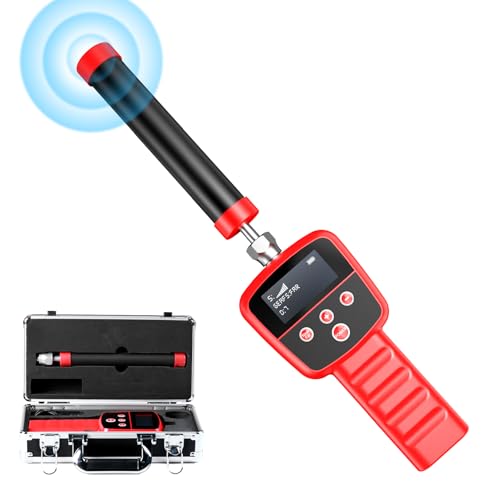
This Oiiwak receiver is aimed squarely at pipe and drain locating work, and the 512Hz signal focus helps it stay in a commonly used locating range. An LED screen gives you a quicker visual read than a plain tool body, which matters when you’re balancing headphones, hands, and tight spaces on a job site. It feels more specialized than the TEMPO wire locators, but that specialization is the point.
For construction and plumbing crews, this style works well when you want a receiver that stays portable and doesn’t add much bulk to the bag. Headphones are a useful touch in loud environments, though they also mean another piece to keep track of. The honest trade-off is that this is for signal reading and pipe tracing, not for general visual inspection like the Teslong borescope.
Bright Spots
- 512Hz focus suits pipe locating workflows that use that signal range.
- The LED screen helps you read status quickly in the field.
- Headphone support can make sense on noisy construction or plumbing jobs.
- Its portable format is easier to carry than a larger locator kit.
Areas To Watch
- Receiver-focused gear needs a compatible workflow, so it is less universal than a camera.
- Headphones add another item to manage on busy job sites.
- Cleaning the screen and keeping the receiver dry will matter in muddy or wet conditions.
Feature Card
The Right Fit
You should look here if you work in plumbing, construction, or drain inspection and want a portable receiver built around signal tracing.
Another Choice May Suit
GADFISH Stainless Steel Soil Probe Rod fits better for you who need a simple physical probe for septic tanks and soil checks instead of an electronic receiver.
Some jobs are simpler with a metal probe than with electronics, and this GADFISH rod fits that kind of direct, hands-on work. The stainless steel build matters in wet soil and rough outdoor use, while the adjustable 32 to 48 inch length gives you room to work at different depths and leverage points. A T-handle usually feels more stable in the hands, which helps when you’re pushing through dense ground near septic tanks or pipe runs.
Compared with the Oiiwak receiver, this is less about signal interpretation and more about physically finding a target. That makes it appealing for property owners, septic work, and field checks where a no-frills probe feels easier to trust. The trade-off is obvious, you get simplicity, but you also give up the information-rich feedback that electronic locators can provide.
Upsides
- Stainless steel construction suits muddy, wet, and outdoor conditions well.
- Adjustable length gives you flexibility for different probing depths and leverage needs.
- The T-handle makes the rod easier to control during repeated pushes.
- Physical probing can feel straightforward for septic and ground checks.
Softer Spots
- Manual probing asks for more physical effort than electronic locating tools.
- It is a niche tool, so it does less than the camera and receiver picks above.
- Keeping the shaft clean after soil use will help it store better over time.
Spec Overview
Whose Shelf It Belongs On
You suit this rod best if you handle septic checks, property maintenance, or soil probing and want a sturdy manual tool instead of an electronic locator.
Look Elsewhere When
Oiiwak 512Hz Pipe Locators Receiver makes more sense for you who need signal-based pipe tracing and an LED screen in the field.
This NOYAFA tool is built around blockage detection and short-range pipe location, so it suits plumbing checks where you want a practical answer without hauling a bigger kit. The 20-meter reach gives you a meaningful working span for common line inspections, and the fact that it’s stated for metal and PVC water pipes makes the use case easy to read. For most service calls, that’s enough range to matter without feeling overbuilt.
It sits somewhere between the visual Teslong camera and the more advanced TEMPO locators, which makes it appealing for a plumber who wants a focused diagnostic tool. The trade-off is that it sounds more specialized than a broad utility locator, so it fits pipe work better than general buried-line mapping. Keeping the scanner clean and stored safely will matter, especially on muddy job days.
Reasons To Buy
- Designed for blockage checks, so the job focus is clear from the start.
- 20-meter range gives you a useful span for common plumbing diagnostics.
- Works with metal and PVC water pipes, which covers many household line types.
- Its compact format is easier to carry than a larger underground locator setup.
Points To Note
- Short-range diagnostic gear is less flexible than broader utility tracing tools.
- It fits pipe and wall-scanning work more than open-ended locating tasks.
- After damp use, wiping down the tool helps keep storage cleaner.
Quick Facts
Built With In Mind
You fit this tool best if you handle plumbing checks, line trouble calls, or wall-based pipe diagnosis and want something compact and task-specific.
Where A Sibling Pick Shines
Pipe Blockage Detector, Water Pipe Locator Underground Diagnostic-Tool with 30m reach suits you better if your jobs call for more distance than the 20m version.
The 30m version keeps the same diagnostic focus as the 20m model, but the extra reach makes it more comfortable for longer runs and tougher layouts. For plumbers dealing with bigger homes or more stretched-out underground lines, that added margin can matter more than a flashy list of features. It remains a tool for targeted pipe work, not a broad utility survey system.
Compared with the shorter NOYAFA option, this one is the more practical middle ground for jobs that outgrow entry-level reach. The result is a steadier fit for everyday pipe issues, especially where you want a bit more breathing room in the line. The trade-off is the usual one for this category, more reach can mean more to manage during setup and storage.
Best Bits
- 30m reach gives you more room for longer pipe paths.
- Still stays focused on blockage and pipe diagnosis rather than broad mapping.
- Works well for plumbers who need a middle-ground tool for daily calls.
- It adds useful range over the 20m version without changing the core job.
Small Caveats
- Longer cable reach means more coiling and storage work after use.
- It is still more specialized than the utility locators higher in the list.
- Job-site cleanliness matters, especially around the scanner and cable ends.
Feature Rundown
Who Should Grab It
You’ll like this version most if your work often stretches beyond short residential runs and you want a bit more reach than the 20m model offers.
Swap It Out When
Pipe Blockage Detector, Water Pipe Locator Underground Diagnostic-Tool 40m fits better for you who routinely work deeper layouts and want more reach still.
The 40m model is the version to look at when the 30m NOYAFA still feels a little short for your usual jobs. That extra reach gives you more comfort on larger properties, deeper line runs, and situations where you’d rather have margin than guess. It stays in the same pipe-diagnostic family, so the upgrade is about range, not a whole new learning curve.
For contractors or maintenance techs who regularly face longer underground paths, this is the most flexible of the three NOYAFA options here. It doesn’t try to be a utility locator in the TEMPO sense, and that focus keeps it easier to understand. The honest downside is that the longer format can take more space to manage after the job is done.
Standout Traits
- 40m reach gives you the longest span in the NOYAFA group here.
- Helpful for larger properties and deeper line paths.
- Stays focused on blockage diagnostics, so the workflow stays clear.
- The upgrade from the 30m model is easy to understand and justify.
Honest Caveats
- Longer cable length means more storage space and more coiling after use.
- It still serves a narrower role than the full utility locators earlier in the list.
- Wet or muddy use calls for routine wiping and careful packing.
Core Details
Perfect Match For
You fit this model best if your work regularly reaches beyond shorter residential lines and you want a diagnostic tool with the most room to work.
Reach For A Different Pick When
TEMPO 551 Advanced Underground Utility Locator is the better move for you who need dual-frequency tracing rather than pipe-only diagnostics.
This Beseetop probe keeps things plain, which is exactly why it belongs here. The stainless steel body and insulated T-handle give it a sturdier, more controlled feel for septic and underground probing work, while the 32 to 48 inch adjustable range lets you set the length to the task. Compared with the GADFISH rod, it offers the same kind of manual approach with a slightly different build presentation.
For septic tank checks, gravel runs, and simple ground probing, that direct design can be easier to live with than electronic gear. The honest trade-off is that this is a physical probe, so it asks more of your hands and judgment than a locator with a screen. It suits property maintenance and hands-on inspection work where a tough, uncomplicated tool matters most.
Positives
- Stainless steel construction suits regular outdoor probing.
- Adjustable 32 to 48 inch length gives you a useful working range.
- Insulated T-handle helps with control during repeated pushes.
- Simple design keeps it easy to understand and maintain.
Worth Noting
- Manual probing takes more physical effort than electronic locating tools.
- It is less informative than the receiver and locator options higher up the list.
- Cleaning after soil use helps keep the rod ready for the next job.
Feature Card
Who Will Love This
You suit this probe best if you want a hands-on septic or soil tool and prefer a straightforward rod over a more technical locator.
Not Your Match When
Oiiwak 512Hz Pipe Locators Receiver suits you better if you need an electronic signal-reading tool instead of a manual probe.
How To Choose The Right Pipe Locators
Match The Tool To The Job
Pipe locating covers more than one task, so start with the type of line you need to find. A borescope like the Teslong helps you inspect inside drains, while a receiver such as the Oiiwak or TEMPO models focuses on tracing underground paths.
Manual probes belong in a different lane. They make sense for septic tanks and ground checks where direct physical contact is more useful than a screen or signal readout.
Check Reach, Frequency, And Depth
Range matters because buried work gets less useful the moment the tool stops reaching far enough. The NOYAFA 20m, 30m, and 40m options show how much the working span changes the feel of the job, while the TEMPO 501 makes depth a clear part of the decision.
Frequency also matters in signal-based gear. Dual-frequency locators can adapt better to different underground conditions, which is handy on mixed job sites with cluttered lines or varying soil behavior.
Think About Conditions And Handling
Outdoor work adds dust, splash, mud, and awkward storage to the picture, so build and sealing matter almost as much as the locating method. The IP54 TEMPO 551 and IP67 Teslong camera show two different kinds of protection for two different jobs.
You also want to think about cleanup. Cable tools need coiling, receivers need screen care, and soil probes need wiping after use, so the easier the tool is to maintain, the more likely it stays ready for the next call.
Choose The Workflow You’ll Actually Use
Some tools give fast visual feedback, some give signal-based location, and some simply tell you where the ground feels different. The right choice is the one that fits how you work on a normal day, not the one with the longest feature list.
That’s why plumbers, utility techs, and property owners often end up with different tools from the same category. A clean fit for your workflow usually matters more than chasing extra range you may never need.
What To Weigh Before You Decide
Common Shopping Slip Ups
Shoppers often pick a locator that sounds powerful but does the wrong kind of job. A cable-heavy utility tracer won’t help much if you only need to inspect a drain, and a manual probe won’t replace a signal receiver on buried-line work.
The easier fix is to start with the problem, then match the tool. That keeps you from paying for functions you’ll never use.
The Upgrade Payoff
Higher-tier models usually cost more because they add range, better signal options, tougher housings, or easier-to-read displays. Those additions matter most on long runs, wet sites, or jobs where a small mistake turns into a bigger one.
For occasional home checks, a simpler tool can be enough. For routine trade work, the extra reach and flexibility usually earn their place.
Frequently Asked Questions
What does a pipe locator do?
A pipe locator helps you find buried or hidden lines, depending on the style of tool. Some use a signal receiver, while others use a camera or a simple probe.
Is a borescope the same as a pipe locator?
No, a borescope shows you the inside of a pipe or drain. A locator finds the path or position of a buried line.
What reach do you need for home use?
For smaller residential plumbing tasks, shorter diagnostic reach often works well. Larger properties or deeper lines call for more cable or a deeper-rated locator.
Do manual probes still make sense?
Yes, especially for septic checks and simple ground searches. They give you a direct, low-tech way to confirm where something is below the surface.
What should you clean after use?
Wipe down the probe, cable, or receiver after wet or muddy jobs. Clean storage helps the tool stay ready and keeps grime from building up.
Closing Thoughts
The right pipe locator depends on the kind of line work you actually do. Camera tools help you see inside drains, receivers help you trace buried paths, and soil probes keep things simple for septic and ground checks. That split is the real story here, because the best match is the one that fits your daily routine without making the job harder. Choose around your work pattern, and the right tool becomes obvious.