Plasma cutters make fast work of sheet steel, brackets, fence repairs, and garage projects that would otherwise drag on. You also get a cleaner edge than torch-only cutting in plenty of everyday jobs, which matters when your time and material both count.
That’s why this roundup focuses on models that fit different work habits, from compact units for light duty to multiprocess machines for a busier shop. You’ll see where each one fits, what it asks from your setup, and where a simpler pick may be the smarter move.
The Shortlist At A Glance

YESWELDER Plasma Cutter 60Amp Pilot Arc

PrimeWeld 50A Air Inverter Plasma Cutter CUT50D
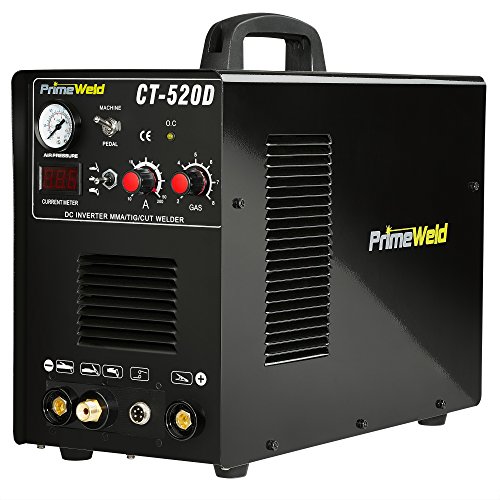
PrimeWeld 3-in-1 50 Amp Plasma Cutter CT-520D

ARCCAPTAIN 110PCS PT31 Plasma Cutting Consumables

ARCCAPTAIN iControl CUT55 Pro Plasma Cutter

PRIMEWELD CUT60 60Amp Non-Touch Pilot Arc

ARCCAPTAIN 55A Plasma Cutter 120/240V

Forney 251 Easy Weld 20 P Plasma Cutter

ARCCAPTAIN MIG205MP 9 In 1 Welder Plasma Cutter
More Details On Our Top Picks
For a garage that sees regular steel cutting, this YESWELDER model makes a sensible first stop. The 60 amp output, dual voltage support, and pilot arc setup give you useful reach without making the machine feel overbuilt for everyday work.
The digital display helps keep settings readable at a glance, which is handy in a dim shop or on a crowded cart. Compared with the smaller Forney 20 P later in this list, this one suits thicker material and more frequent use, though it also asks for a bit more setup space.
Strong Points
- Dual voltage support gives you more placement options around home shops and light fabrication spaces.
- Pilot arc cutting helps with starting on imperfect surfaces, which matters on painted or slightly rusty stock.
- The digital display keeps control changes easy to read while you’re moving through a project.
- 60 amp output gives you room for more demanding cuts than a very small bench unit.
Room For Improvement
- It takes more bench room than the compact Forney pick, so tight carts may feel crowded.
- Higher output machines usually need a bit more attention to airflow and cable management during storage.
- The broader feature set can feel like more machine than you need for occasional hobby cuts.
Feature Snapshot
Who It Suits Best
Shop owners, dedicated DIYers, and weekend fabricators who want a versatile plasma cutter with enough output for regular use will get the most from it.
A Better Fit Elsewhere
For lighter jobs in a smaller space, the Forney 251 Easy Weld 20 P Plasma Cutter is the simpler choice.
PrimeWeld keeps this one focused on straightforward cutting rather than extra bells and whistles. The portable body and automatic dual-voltage support make it a practical choice for a home garage, a small metal shop, or a truck-mounted setup.
The listed 1/2 inch clean cut speaks to where this unit sits in the lineup, because it’s built for useful everyday work instead of heavy industrial loads. Compared with the YESWELDER above, this pick feels more stripped back, which some shoppers will like and others may find a little plain.
What We Like
- Portable format is easier to move between a workbench, cart, and storage shelf.
- Automatic dual voltage removes some of the setup guesswork in mixed-workspace environments.
- The 1/2 inch clean cut figure fits common repair and fabrication tasks well.
- The kit-style presentation suits first-time plasma cutter setups that need fewer extra purchases.
Points To Note
- It is more basic than the YESWELDER and ARCCAPTAIN control-heavy models.
- Owners who want app control or advanced display features will likely want a newer platform.
- The cleaner, simpler design leaves less room for built-in guidance during setup.
Details At A Glance
Built With In Mind
Hobby fabricators and small-shop users who want a portable cutter without a long feature list should feel right at home here.
Swap It Out When
PrimeWeld’s 3-in-1 CT-520D makes more sense for you if the same workspace also needs TIG and stick welding.
This PrimeWeld is built for a shop that wants fewer machines on the floor. Plasma cutting, TIG welding, and stick welding live in one chassis, so a small garage or mobile rig can cover more jobs without stacking separate units.
The trade-off shows up in focus, because a multiprocess unit usually asks you to accept a broader skill set rather than a single-tool specialist. Compared with the CUT50D above, this one gives you much more flexibility, while the dedicated cutters in the list keep things simpler.
Best Bits
- Three welding and cutting functions reduce the need for separate machines.
- The mobile format suits garages, service trucks, and compact fabrication corners.
- 50 amp plasma capability covers common repair work well.
- It works for people who want one platform to grow into over time.
- The broader toolset can save storage space in tighter shops.
Softer Spots
- Multiprocess machines usually ask for more learning than a single-purpose cutter.
- Switching between modes can slow fast, repetitive cutting jobs.
- It makes less sense for you if plasma cutting is the only task on the schedule.
Core Details
Right Fit For
Fabricators, handymen, and garage welders who want one machine for cutting and welding should find the broadest use here.
Look Elsewhere When
YESWELDER’s Plasma Cutter 60Amp Pilot Arc is the cleaner fit for you if plasma cutting matters more than welding variety.
This is the maintenance-minded entry in the roundup, not the machine itself. A 110-piece consumable set gives you a deeper stash of wear parts for PT31-style torches, which matters in busy shops where tips and electrodes disappear faster than you expect.
The value here is continuity, because keeping consumables on hand helps you avoid mid-project pauses. Compared with the cutters above, this is the quiet support act, and owners with compatible torches will care more about fit and stock depth than flash.
Reasons To Buy
- Large parts count helps you keep a compatible torch working longer between reorders.
- Fits several listed cutter and torch families, which is useful for mixed equipment shops.
- Good for benches where small parts tend to get lost during cleanup.
- Useful backup inventory for users who cut often and replace wear parts regularly.
Areas To Watch
- You need a compatible PT31-style torch, so fit matters more than quantity alone.
- Consumable kits do not help users who need a full machine first.
- Keeping small parts organized takes a labeled drawer or parts case.
Feature Card
Who Will Love This
Frequent cutters and small shops that want a ready stash of wear parts will make the most of it.
Another Choice May Suit
ARCCAPTAIN 55A Plasma Cutter 120/240V makes more sense for you if you need the machine itself, not just torch consumables.
ARCCAPTAIN pushes this model toward control and readability, which helps in a shop where you want settings close at hand. The app control, large LED display, and 2T/4T modes make it feel more like a cockpit than a bare-bones cutter, though not everybody needs that much information.
The 55 amp rating and non-touch pilot arc give it real cutting purpose, while the 3/4 inch maximum cut detail points to a unit that can handle a fair amount of work. Compared with the YESWELDER pick, this one leans harder into digital convenience, and that will either feel useful or unnecessary depending on how you work.
Highlights
- App control adds another way to monitor and adjust the machine during setup.
- Large LED display makes settings easier to read from a standing position.
- 2T and 4T modes help with both short bursts and longer cutting runs.
- Non-touch pilot arc is useful on surfaces that are not perfectly clean.
- 55 amp output gives the machine enough muscle for many home shop tasks.
Small Caveats
- The feature set may feel busy for someone who wants a simple turn-and-cut tool.
- App control adds setup steps that plain mechanical units do not have.
- More screen-driven equipment usually asks for a little more care during storage and transport.
Quick Facts
Whose Shelf It Belongs On
Tech-friendly fabricators and serious garage users who like clear feedback from their machine will appreciate it most.
Where A Sibling Pick Shines
PrimeWeld 50A Air Inverter Plasma Cutter CUT50D makes more sense if you want a cleaner, less connected tool path.
This PRIMEWELD keeps the formula simple: 60 amp output, non-touch pilot arc, and dual voltage support in a familiar shop-ready package. The included PT60 torch with Euro central connection matters for setup confidence, especially for users who care about connector style and serviceability.
Compared with the ARCCAPTAIN iControl unit, this one feels less screen-heavy and more direct. That makes it a comfortable fit for everyday fabrication, though shoppers wanting app control or a larger display will likely prefer the newer feature stack elsewhere in the list.
Best Bits
- 60 amp output gives you slightly more room than several midrange options here.
- Dual voltage support adds flexibility for mixed workshop power setups.
- PT60 torch with Euro central connection supports a cleaner setup path.
- The control layout should feel familiar to users who prefer direct operation.
Trade Offs
- It does not lean into digital extras the way the ARCCAPTAIN iControl pick does.
- Some shoppers will want more on-screen guidance than this design gives.
- Round-the-shop storage still benefits from a protected spot for the torch and cable.
Feature Rundown
Made For
Home welders and small fabrication shops that want a dependable mid-high output cutter without app-driven extras will feel comfortable here.
Where Shoppers Go Wrong
ARCCAPTAIN MIG205MP 9 In 1 Welder Plasma Cutter is the better call if you need multiprocess flexibility more than a dedicated cutter.
For someone learning plasma cutting in a home shop, this ARCCAPTAIN keeps the learning curve approachable. The 55 amp inverter design, non-touch pilot arc, and 2T/4T modes give you enough control without pushing you into a crowded panel of settings.
The 1/2 inch clean cut figure fits typical DIY repairs, brackets, and light fabrication work. Compared with the CUT55 Pro above, this version is less control-rich, which is exactly why some people will find it easier to live with.
Positives
- 120/240V dual voltage helps it fit a wider range of shop outlets.
- Non-touch pilot arc is forgiving on less-than-perfect material prep.
- 2T and 4T modes support both short cuts and longer runs.
- The beginner-friendly setup feels less intimidating than the more app-heavy picks.
Honest Caveats
- It has fewer bells and whistles than the CUT55 Pro.
- Shoppers wanting app control or a larger on-unit display may want more.
- Like most compact cutters, keeping the torch lead neatly stored matters for long-term tidiness.
Technical Sheet
The Right Fit
DIY metalworkers, beginners, and home garage users who want a capable cutter without a steep setup curve will get the best match here.
Skip It When
YESWELDER Plasma Cutter 60Amp Pilot Arc makes more sense for you if higher output and a digital display matter more than simplicity.
This Forney is the small-space answer in the group. It stays portable and approachable, which is useful for a home bench, a hobby corner, or a cart that already carries too many tools.
The 20 P format keeps the focus on precise metal cutting rather than high-output work. Compared with the 55 amp and 60 amp machines above, this one asks less from your space and your power plan, though it also gives you less room for bigger material.
Bright Spots
- Compact size makes it easier to store on tighter shelves and carts.
- Portable format suits light fabrication and occasional repair use.
- The simpler layout is friendly to users who want fewer controls.
- Precise-cut positioning works well for detailed jobs and small stock.
Minor Gripes
- It is not the pick for larger material or heavy-duty cutting sessions.
- Users who regularly move to thicker steel will want more output headroom.
- Compact tools can be easier to misplace, so storage discipline helps.
Core Details
Who Should Grab It
Home hobbyists and space-conscious users who want a compact cutter for light, precise jobs should start here.
Not Your Match When
PRIMEWELD CUT60 60Amp Non-Touch Pilot Arc is the better fit if your projects are larger and you want more cutting headroom.
This is the broadest tool in the roundup, and that makes it a serious consideration for a crowded shop. Plasma cutting sits beside pulsed MIG, flux core, spool gun use, DC HF, lift TIG, clean, and stick functions, so you get a wide toolset in one body.
The app control and 120/240V dual voltage support push it toward users who like flexibility and status feedback. Compared with the PrimeWeld 3-in-1, this ARCCAPTAIN stretches even farther across welding modes, which is great for a busy garage and a little much for a simple cut-and-go setup.
Plus Points
- 9-in-1 coverage gives you a lot of workshop range in one machine.
- Plasma cutter function is joined by several useful welding modes.
- App control adds another layer of convenience for setup and monitoring.
- Dual voltage helps it adapt to different shop power arrangements.
- Good fit for users who want one unit to cover many job types.
Worth Noting
- The long feature list can feel excessive for a plasma-only task.
- Multiprocess machines usually need more organization for leads, torches, and accessories.
- It makes the most sense for a shop that truly uses several welding modes.
Feature Card
Perfect Match For
Serious home fabricators and small-shop owners who want one multiprocess machine to cover cutting and welding should look closest here.
Where Another Pick Suits Better
PrimeWeld 50A Air Inverter Plasma Cutter CUT50D is the cleaner choice for you if cutting is the only job that matters.
How To Choose The Right Plasma Cutters
Match Output To Real Material
Output tells you how much cutting headroom a machine has, and that matters more than flashy extras. A 20 P unit like the Forney works for lighter jobs, while 50 to 60 amp models fit a wider range of repair and fabrication work. For thicker stock, the higher amp choices give you more breathing room and less frustration.
The honest read is that you do not need the biggest number just to cut around the garage. You need enough output for the steel you use most often, plus a little extra so the machine does not feel strained.
Check Voltage And Shop Layout
Dual voltage models make life easier in mixed spaces because you can move between common outlets without changing the tool. That suits home garages, small fabrication shops, and service setups that change locations. Single-focus units can still be smart, but they work best where power is already known and stable.
Bench space matters too. A compact cutter is easier to park and carry, while a multiprocess unit like the PrimeWeld CT-520D or ARCCAPTAIN MIG205MP asks for more room, more leads, and a little more organization.
Decide How Much Control You Want
Basic front panels keep the job simple, which is great for beginners and occasional use. Digital displays, 2T and 4T trigger modes, and app control help when you cut often or want cleaner adjustment feedback. That extra control can feel like a steering wheel with more buttons, useful for some hands and clutter for others.
For regular shop work, clearer readouts and pilot arc cutting are worth paying attention to. Pilot arc helps the torch start without direct contact, so it tends to suit work on paint, light rust, or less-than-perfect edges.
Think About Support And Wear Parts
Consumables are part of ownership, not an afterthought. A kit like the ARCCAPTAIN PT31 parts set makes sense when you already own a compatible torch, because keeping tips and wear parts on hand helps your project keep moving.
Also look at torch style, connector type, and how easy the unit will be to store. The best fit is usually the cutter that matches your actual work rhythm, not the one with the longest feature list.
A Quick Reality Check Before You Decide
Wrong Turns To Avoid
It’s easy to chase output numbers without thinking about your outlet, your torch, or your storage space. A big multiprocess unit can be more machine than a simple cutting job needs, and a compact cutter can feel underpowered once your projects get bigger.
Fit matters as much as power. Check the voltage, the torch family, and the space you have on the cart before you commit.
The Upgrade Payoff
Higher-tier plasma cutters usually cost more because you’re paying for better control, broader voltage support, and cleaner feature sets. App control, digital displays, dual voltage, and stronger output all add convenience in a busy shop.
That upgrade makes sense when you cut often, swap tasks often, or want one machine to cover more than a basic home repair role. For occasional use, the simpler route is often the calmer one.
Frequently Asked Questions
What amp range works for home plasma cutting?
For light trim work and small brackets, 20 amp class machines can be enough. For broader home-shop use, 50 to 60 amp models give you more flexibility.
Does pilot arc matter?
Pilot arc helps the torch start without direct contact at the work surface. That’s useful on less-than-perfect metal and in everyday shop use.
Is dual voltage worth paying attention to?
Yes, because it gives you more room to work across different outlets and spaces. That matters in garages, mobile setups, and mixed-use shops.
Do multiprocess machines make sense for plasma cutting?
They do when you also need welding functions like TIG or stick. They are less attractive when you only want a dedicated cutter.
Why keep consumables on hand?
Plasma torch parts wear over time, especially in regular use. A parts kit helps you keep the torch ready without pausing a job to hunt for replacements.
Closing Thoughts
You get the best result when the cutter matches your space, your power, and the steel you actually work with. The Forney keeps things compact, the PrimeWeld and YESWELDER models cover more ground, and the ARCCAPTAIN units lean into control or multiprocess range. That mix gives you room to choose without guessing. Pick the machine that fits your routine, and the rest gets easier.