Plastic repairs live or die by fit, material match, and how much control you get at the bond line. That matters whether you’re patching a model kit, rescuing a cracked toy, or joining hard parts in a workshop drawer. The 9 picks below cover quick-setting cyanoacrylate formulas, two-part epoxy, brush-and-nozzle applicators, and a sealant-style option for broader repair work. You’ll see where each one fits best, and where a different bottle makes more sense.
The Shortlist At A Glance
ALECPEA 30g Plastic Glue


3M Super Fast Plastic Repair 04247

USKICH Super Glue for Plastic

AAROVIBE Model Glue for Plastic Models

GH1200 2-in-1 Super Glue for Plastic
ARKA Super Glue All-Purpose Liquid 1.75 oz

oputemon Invisible Waterproof Sealant Agent

LMQ LASH Plastic Super Glue Liquid
More Details On Our Top Picks
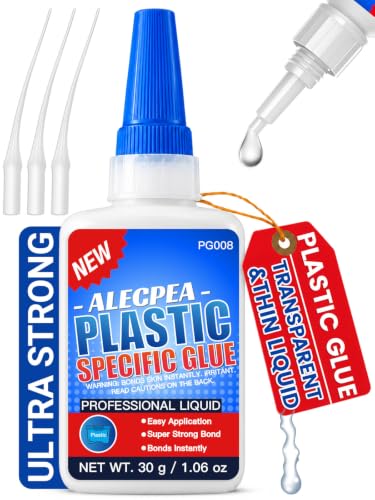
Model builders usually notice the appeal here right away, since this bottle leans into quick placement and narrow-tip control rather than broad coverage. The listed 15-second set window points to fast handling on ABS, PC, acrylic, and other hard plastics, so small joins and trim fixes stay tidy.
Compared with the thicker 3M epoxy below, this one fits more delicate bench work and lighter craft repairs. The three precision tips should help with repeat use, though the fast set also means you’ll want your parts lined up before you commit.
What We Like
- Quick set timing suits small plastic joins.
- Three precision tips help with controlled application.
- Works across ABS, PC, acrylic, and PVC surfaces.
- Small bottle format is easy to store in a tool drawer.
- Useful for model kits, electronics housings, and simple DIY fixes.
Things To Consider
- Fast bonding leaves little room for repositioning.
- Tip management matters, since dried adhesive can interrupt fine work.
- Best suited to plastic-to-plastic joints, not bigger fill jobs.
Feature Snapshot
Who It Suits Best
You’ll like this most for model kits, electronics covers, and light DIY work that needs neat placement more than bulk filling.
A Better Fit Elsewhere
3M Super Fast Plastic Repair 04247 suits you better for thicker joins and broader repair areas that need an epoxy-style approach.
Viomis takes a broader material approach than ALECPEA, which makes it feel like a handy bottle for mixed craft shelves. The listing covers acrylic, PVC, vinyl, ABS, PBT, PS, PA, PC, PM, MA, and nylon, so you get a wide compatibility spread for plastic-heavy household projects.
That broad range is useful in a busy garage or craft corner, though the trade-off is that general-purpose formulas rarely feel as specialized as a model-only adhesive. For most small repairs, that’s fine, and the 30 g size keeps it easy to stash beside spare screws and hobby blades.
Strong Points
- Broad material list covers many common plastics.
- 30 g tube is manageable for everyday repair bins.
- Good fit for mixed craft and model use.
- Useful for small household fixes where one bottle needs to do a lot.
Worth Noting
- Broad-purpose formulas can feel less tailored than a niche model adhesive.
- Small work areas still reward careful placement, especially on clean edges.
Core Details
Whose Shelf It Belongs On
You’ll get the most out of this in a home craft kit or mixed-repair drawer where several plastic types show up across the month.
Where A Sibling Pick Shines
ALECPEA 30g Plastic Glue is the sharper fit for hobbyists who want a more model-focused bottle with included precision tips.
This one stands apart because it’s a two-part epoxy finishing adhesive, which means the formula is built for mixing and stronger body than a thin instant glue. The cartridge format also suits repair work where you need more material on hand, such as filling worn plastic edges or larger joins.
Compared with the quick-drop bottles from ALECPEA and Viomis, the 3M approach asks for a little more setup but gives you a more substantial repair style. In a garage, shop, or home repair station, that trade often feels worth it, especially for jobs that need structure instead of tiny tack points.
Upsides
- Two-part epoxy design suits tougher repair work.
- Cartridge format keeps the product organized for repeated use.
- Fast acting behavior helps shorten wait time after mixing.
- Useful on many substrates, not just plastic.
- Good choice for jobs that need filling as well as bonding.
Areas To Watch
- Requires a mixing step, so setup takes more attention than instant glue.
- Cartridge-based products can feel more involved to store and handle.
- Overkill for tiny model seams where a fine-tip bottle is simpler.
Feature Rundown
Best Suited To
You’ll appreciate this most for heavier plastic repair work, especially in a garage or workshop where stronger body matters more than delicate dispensing.
Swap It Out When
GH1200 2-in-1 Super Glue for Plastic makes more sense for detail work that benefits from a brush applicator and a nozzle in the same bottle.
Six one-ounce bottles changes the conversation here, because you’re not just buying a glue formula, you’re also buying convenience for repeated repairs. The anti-clog cap matters in real life, especially for hobby benches where bottles sit between sessions and small tips tend to dry out.
Against the single-bottle picks above, this feels more like a small workshop supply set than a one-off fixer. It’s well suited to PLA, ABS, PVC, 3D prints, toys, and Lego-style repairs, though the larger pack makes more sense for people who actually go through adhesive at a steady pace.
Highlights
- Six-bottle pack supports frequent repair jobs.
- Anti-clog cap helps with storage between uses.
- Works on PLA, ABS, PVC, and 3D print projects.
- Good fit for households with recurring toy and model fixes.
Small Caveats
- Bulkier than a single tube, so storage takes more space.
- More bottles can mean more to keep track of in a tool drawer.
- Best value shows up with steady use, not a one-time repair.
Details At A Glance
Made For
You’ll get the most value from this in a home full of small plastic fixes, especially where a spare bottle on hand saves time later.
Look Elsewhere When
ALECPEA 30g Plastic Glue is the tidier fit for compact hobby kits and lighter bench storage.
This bottle leans into volume and control at the same time, which is handy for miniatures and 3D-printed parts that need repeatable placement. The six precision tips give you options for narrow seams, while the 60 g size gives you a little more runway than the smaller hobby tubes.
Compared with USKICH, this one feels less like a bulk pack and more like a single well-equipped work bottle. In a model room or print-finish station, that balance tends to matter more than sheer quantity, though the fast-setting character still asks for steady hands.
Best Bits
- 60 g size gives you more material for recurring hobby work.
- Six precision tips support detail placement.
- Good fit for PLA, ABS, and acrylic parts.
- Works well for miniatures, Legos, and 3D print repairs.
Points To Note
- Fast-setting formulas leave less time for adjustment.
- Multiple tips are helpful, but they also need sensible storage after use.
- Better for careful hobby work than wide structural filling.
Feature Card
Built With In Mind
You’ll like this most for hobby benches where detail placement and a larger bottle both matter during repeated repair sessions.
Another Choice May Suit
Viomis 30g Plastic Glue is easier to keep on hand for smaller mixed-material jobs that don’t need as much volume.
Two applicators in one bottle is the whole story here, and that’s a smart angle for repair work that swings between broad coverage and pin-point placement. The brush helps with wider surfaces, while the nozzle is better for seams, edges, and small model parts that need a cleaner hand.
Against AAROVIBE’s tip-heavy approach, this one feels a touch more versatile for mixed DIY benches. The crystal-clear formula is also practical for visible repairs, though brush tools do ask for a little more cleanup and care after use.
What We Like
- Brush and nozzle give you two application styles.
- Good for both small seams and broader patches.
- Clear finish suits visible repair areas.
- Useful for DIY tasks where control matters.
Softer Spots
- Brush applicators need a bit more cleanup than a plain nozzle.
- Two-in-one designs can take a moment to learn.
- Best results still depend on careful surface prep.
Core Details
Right Fit For
You’ll get the most value from this in mixed repair kits where both detail seams and wider surfaces show up across the month.
Skip It When
3M Super Fast Plastic Repair 04247 is the better match for heavier joins that need a two-part epoxy body.
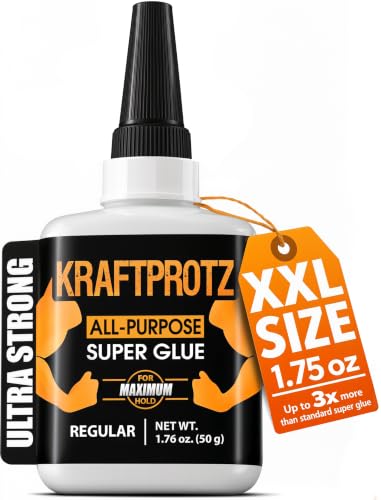
ARKA reads like the bottle you keep near the junk drawer because it covers a lot of household repair ground without making the label feel too niche. The clear liquid, anti-clog cap, and stated use across wood, glass, metal, and plastic make it useful for mixed-material jobs where you don’t want to pull three different adhesives.
That broad reach is the selling point, but it also means it’s less specialized than the hobby-focused bottles above. For everyday repairs around the kitchen, shelf hardware, or a craft bench, that trade-off usually makes sense, especially when you want one bottle for several materials.
Reasons To Buy
- Covers several common materials in one bottle.
- Clear formula suits visible repair spots.
- Anti-clog cap helps with storage between uses.
- Good everyday grab for mixed household fixes.
Honest Caveats
- Broad-purpose formulas can feel less specialized than model-only adhesives.
- Mixed-material use still depends on clean, dry surfaces.
- More general than a precision-tip hobby glue for tiny seams.
Spec Overview
Who Should Grab It
You’ll appreciate this most in a home where the repair list changes from week to week and the materials are rarely the same twice.
Reach For A Different Pick When
ALECPEA 30g Plastic Glue is the sharper choice for model builders who want a more plastic-specific bottle with precision tips.
This pick sits a little outside the tight plastic-glue lane, but it earns a place for larger repair areas where a sealant-style product makes more sense. The water-based, clear coating is aimed at roofs, walls, cracks, and indoor or outdoor fixes, so you’re looking at surface coverage rather than tiny model seams.
Compared with the instant glues above, this is the broader utility option, and the trade-off is obvious: it’s not the tool for delicate miniatures. For patching, sealing, or coating work, though, that wider job range can be useful, especially when you want one product for several surfaces.
Bright Spots
- Clear coating suits visible patch areas.
- Water-based formula is easier to think about for broad surface work.
- Useful for cracks, walls, and roof patches beyond small hobby repairs.
- Good option when you need sealing rather than a tiny bond line.
Room For Improvement
- Not a dedicated model glue, so it’s less suited to fine plastic joints.
- Better for surface treatment than precise part assembly.
- Larger repair jobs usually need more preparation and drying patience.
Technical Sheet
The Right Fit
You’ll get the most value from this on surface repairs and patching tasks where a clear coating matters more than fine applicator control.
Where Shoppers Go Wrong
Viomis 30g Plastic Glue is the better match for hobby benches, since it’s built around plastic-heavy craft work rather than broad sealing jobs.
LMQ LASH closes the list with a broad cyanoacrylate formula, which makes it useful for plastic models and mixed-material repairs in the same household toolkit. The listing also mentions metal, rubber, wood, and ceramic, so it’s the sort of bottle you keep around for “one more thing” repairs after the model is done.
Against ARKA, it feels more centered on model and hobby use, though it still stretches beyond plastics well enough for general repair work. The clear finish and waterproof claim are practical in everyday settings, but the honest read is that it makes more sense for steady, careful use than for big structural fills.
Positives
- Clear liquid keeps visible repairs discreet.
- Works across several common household materials.
- Useful for PLA, models, and 3D printing parts.
- Good backup bottle for mixed craft and repair kits.
Minor Gripes
- Broad use is handy, but it still asks for careful placement on fine parts.
- Large structural gaps call for a different repair style.
- More general than a brush-and-nozzle bottle for wide surfaces.
Key Specs
Perfect Match For
You’ll like this most in a hobby kit or mixed repair drawer where a clear all-purpose glue earns its keep across several small jobs.
Not Your Match When
3M Super Fast Plastic Repair 04247 is the better route for thicker, epoxy-style repairs that need more body.
How To Choose The Right Plastic Glues
Match The Glue To The Plastic
Plastic names matter more than most people expect. ABS, PVC, acrylic, PLA, and mixed synthetics can behave very differently, so a glue that lists your material is a safer starting point than a generic promise.
Model builders usually do better with fine-tip cyanoacrylate bottles, while larger household repairs often call for an epoxy or a broader-purpose liquid. That small bit of matching saves you from sticky edges and awkward cleanup later.
Think About Bond Style And Working Time
Fast-setting adhesive is handy for small parts, but it leaves little time to nudge pieces into place. That suits trim, toys, and model seams, where alignment is already close.
Epoxy-style formulas give you more body and can handle gaps better, though they ask for mixing and a little more patience. For bigger joints or worn edges, that trade often feels worthwhile.
Choose The Right Applicator
Precision tips are useful in tight spots, especially on miniatures and electronics housings. A brush helps spread product across wider contact areas without flooding the seam.
You’ll feel the difference quickly during real use. A tidy applicator saves both material and cleanup time, which matters when the repair surface is small or visible.
Pay Attention To Storage And Reuse
Caps, nozzles, and tip systems sound like small details until a bottle sits for a week between jobs. Anti-clog features and spare applicators help keep the glue usable longer.
That matters most in a home toolbox or hobby room where one bottle may serve many short sessions. For occasional users, a smaller tube can still make more sense than a large set.
Things Worth Knowing First
Wrong Turns To Avoid
One common slip is choosing a glue by volume alone. A larger bottle helps only when the formula and applicator still match the repair you’re doing.
Another easy miss is buying a broad household adhesive for a tiny model seam. That can leave you with too much product and not enough control.
The Upgrade Payoff
Higher-tier plastic glues often cost more because the dispensing hardware and formula design are more refined. You’re paying for control, cleaner application, and in some cases broader compatibility.
That upgrade makes the most sense for frequent hobby work, mixed-material repair kits, or jobs where a sloppy joint would stand out. For a one-time fix, a simpler bottle can still be the smarter path.
Frequently Asked Questions
What Kind Of Plastic Glue Works Best For Models?
Fine-tip cyanoacrylate formulas usually suit models best because they let you place a small amount with control. The best choice also depends on whether you need a fast tack or a little extra working time.
Can You Use Plastic Glue On 3D Prints?
Yes, several of the picks above list PLA or 3D-print use. Surface prep still matters, since dust and loose strands can weaken the bond.
Is Epoxy Better Than Instant Glue?
Epoxy is often better for thicker joins and gap filling. Instant glue is easier for quick placement and smaller seams.
Why Do Some Bottles Have Brushes Or Extra Tips?
Those applicators help you match the glue to the repair area. A brush covers broader surfaces, while a fine tip helps with narrow seams and tiny parts.
Should You Keep One Glue For Everything?
A single general-purpose bottle works well for mixed household fixes. For model work or delicate plastic parts, a more specialized glue usually gives you better control.
Closing Thoughts
The right plastic glue depends on the job in front of you, not just the label on the bottle. For model kits and small repairs, a precise cyanoacrylate bottle is hard to beat, while larger repairs feel better with epoxy or a broader applicator. Mixed-material households benefit from a versatile bottle, and heavy patch jobs lean toward sealant-style products. Pick the tool that fits the repair, and the rest gets much easier.