You need the right point driver or setting tool when framed art keeps shifting, glazing needs a cleaner hold, or a small shop wants faster repeat work. The wrong tool can slow you down, chew up wood, or leave points seated unevenly, which is frustrating when you’re trying to finish a frame and move on. This roundup focuses on point drivers, point-setting tools, and a couple of closely related helpers that fit real framing and hanging jobs.
Quick Look at the Shortlist
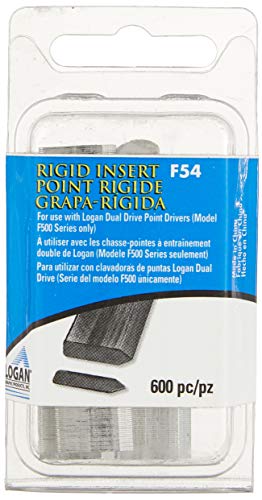
Logan F54 Rigid Points for F500 Dual Driver

CRL Fletcher Push Mate Point Setting Tool

Midwest Tool & Cutlery MWT-TND Trim Nail Driver

Fletcher-Terry Framers Stacked Points 08-950, Silver, 5/8 in
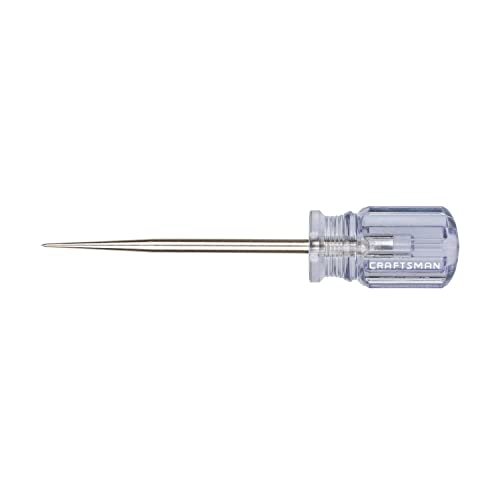
CRAFTSMAN CMHT65012 Acetate Scratch Awl
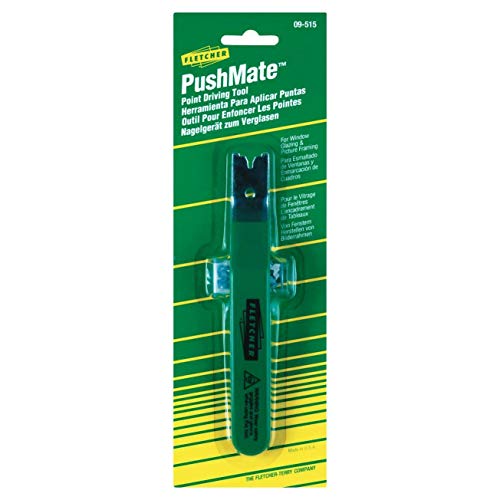
Fletcher-Terry Push Mate and Glazier’s Point Driver Tool

Logan Dual Point Driver Elite and F54 Rigid Points

Fletcher Glazier’s Push Points #7 x 100 08-611

DIKOO Picture Hanging Keyhole Marker Tool & Level
More Details On Our Top Picks
Logan’s F54 points are a straightforward supply item for framers who already use a compatible dual driver. The pack format suits repeated frame work in a shop, where having enough points on hand matters more than anything flashy.
Compared with the tool-heavy entries later in this list, this one is about keeping the workflow moving instead of changing the way you set the points. That makes it a sensible match for busy framing benches, though you still need the right driver to use it well.
Strong Points
- Pack of 600 supports long stretches of frame assembly.
- Rigid points suit steady backer retention in framed pieces.
- Pairs naturally with compatible Logan dual-driver tools.
- Less stop-and-start restocking during batch work.
Small Caveats
- It’s a consumable item, so you need the matching tool.
- Point loading habits still affect speed and consistency.
Core Details
Who It Suits Best
You’ll get the most value from this in a frame shop or hobby area that already uses Logan-compatible tools and wants a larger point supply.
Where Another Pick Suits Better
CRL Fletcher Push Mate Point Setting Tool suits you better if you want the hand tool that actually seats the points.
This Push Mate leans into control, which is exactly what you want when seating push points, triangle points, or diamond points into wood frames and window sash. The hand tool format keeps the action direct, and that helps in a small shop where you’d rather feel the setting process than rely on a larger machine.
Compared with Logan’s consumable-only pack, this is the working tool that gives the job its shape. The trade-off is simple: you gain more control, but you still need consistent hand pressure and a little patience for neat results.
What We Like
- Handles push points, triangle points, and diamond points.
- Useful in wood frames and window sash work.
- Handheld format gives you direct control over placement.
- Good fit for careful one-off frame jobs.
Points To Note
- Hand-driven use can feel slow during large batches.
- Cleaner results depend on steady pressure and alignment.
- Less automated than power-style framing tools.
Feature Rundown
Who Will Love This
You’ll like this most if you frame by hand and want a simple tool that keeps the point-setting step controlled and predictable.
A Better Fit Elsewhere
Logan Dual Point Driver Elite and F54 Rigid Points suits higher-volume framing work better, especially when you want a matched tool-and-points setup.
This trim nail driver sits a little outside strict framing-only use, but it matters in a shop that handles detail fastening and small finish work. In a busy workspace, a stout hand tool like this can cover those stubborn trim tasks without making you switch to something bulkier.
Compared with the Fletcher Push Mate, this one reads more like a general-purpose driver for small fastening jobs than a dedicated point setter. That broader role is helpful, though it also means you’re choosing versatility over a single-minded framing tool.
Upsides
- Works well for trim and detail fastening jobs.
- Steel construction supports a tougher shop feel.
- Hand tool format is easy to store in a bench drawer.
- Useful for installers who bounce between small tasks.
Areas To Watch
- It’s broader in purpose than a dedicated point driver.
- Not the most specialized choice for pure framing-only work.
Core Details
The Right Fit
You’re in the right spot for this tool if your shop handles mixed trim, light framing, and general detail fastening.
Another Choice May Suit
Fletcher Glazier’s Push Points #7 x 100 08-611 makes more sense for someone who already has a glazier-point setting routine and wants matching points on hand.
Stacked points are handy because they let you work through repeated framing jobs with less interruption. In a shop that moves through similar frame sizes day after day, that kind of convenience can matter as much as the tool itself.
Compared with Logan’s F54 pack, this Fletcher-Terry option stays in the same supply-and-consumables lane but gives you a different size profile at 5/8 in. The honest read is that it suits routine framing better than specialty tasks, yet that’s exactly what many frame benches need.
Bright Spots
- Stacked format supports quicker repeat loading.
- 5/8 in sizing gives you a defined fit profile.
- Silver finish helps it stand out in a tool bin.
- Well suited to repeat shop workflows.
Minor Gripes
- Stacked formats make the most sense with a compatible driver.
- Best used where repeat framing is already part of the routine.
Feature Card
Who Should Grab It
This suits framing shops that want a steady supply format for repetitive assembly work.
Look Elsewhere When
CRL Fletcher Push Mate Point Setting Tool is the better match when you need the tool that seats the points rather than the points themselves.
A scratch awl is not a point driver, but it earns a place here because framing work often starts with marking, piercing, and careful layout. In a home shop, that kind of pointed control is useful before you ever move to points or hanging hardware.
Compared with the dedicated Fletcher and Logan options, this CRAFTSMAN tool is more about layout prep than frame fastening. The trade-off shows up fast, since you gain a durable hand tool for general marking but not a purpose-built point-setting head.
Reasons To Buy
- Heat-treated alloy steel supports tougher shop use.
- Good for marking, scribing, and piercing tasks.
- Works well alongside framing prep and layout work.
- Acetate handle helps with a familiar hand-tool feel.
Worth Noting
- Not a dedicated point driver, so the role is different.
- Best suited to prep work rather than point installation.
Technical Sheet
Built With In Mind
You’ll appreciate this most in a garage bench or general workshop where layout work and light piercing come up often.
Skip It When
Fletcher-Terry Push Mate and Glazier’s Point Driver Tool is the better fit when your main task is inserting glazing points cleanly.
This Fletcher-Terry tool sits right where many framing jobs need it, between control and speed. The Push Mate format is aimed at glazier’s points, so you’re looking at a tool designed for seated, repeatable placement rather than rough general fastening.
Compared with the more general CRAFTSMAN awl, this one is far more focused on the actual point-setting job. That specialization pays off in cleaner workflow, although you still need to keep the tool aligned and the points loaded correctly.
Best Bits
- Made for glazier’s point insertion.
- Purpose-built shape helps keep work consistent.
- Good fit for framers who want a dedicated tool.
- Less guesswork than using a general-purpose awl.
Room For Improvement
- Specialized use means it won’t replace every shop tool.
- Like any hand-set point tool, alignment still matters.
Feature Snapshot
Whose Shelf It Belongs On
You’ll be happiest with this tool in a framing corner that already sees regular glazier-point work.
Reach For A Different Pick When
Logan Dual Point Driver Elite and F54 Rigid Points Pack of 600 suits you better when you want a matched driver-and-points setup from the same brand family.
Pairing a dual point driver with rigid points makes this Logan bundle feel aimed at people who frame often and want a matched system. In a workshop where repeat placement matters, having the driver and consumables tied together can reduce the awkward back-and-forth of piecing together separate parts.
Compared with the earlier Logan points pack, this one adds the tool side of the workflow, so you’re not just stocking consumables. The trade-off is that the bundle makes the most sense for someone who will actually use both parts, not someone who only needs a few spare points.
Highlights
- Combines a driver with rigid points.
- Helpful for high-volume framing routines.
- Reduces the need to source pieces separately.
- Good match for a dedicated frame bench.
Areas To Watch
- Bundle value depends on needing both parts.
- More specialized than a simple hand tool.
Details At A Glance
Perfect Match For
You’re looking at a strong fit for framers who want a bundled setup and work through points regularly.
Where A Sibling Pick Shines
CRL Fletcher Push Mate Point Setting Tool suits you better if you want a simpler hand tool for occasional point insertion.
These zinc-coated No. 7 glazier points are a practical supply choice for framing work that leans on a traditional point-loading routine. For small shops, keeping a hundred-count pack nearby can make sense because it’s easier to manage than a bulk carton when your projects come in waves.
Compared with Logan’s larger 600-count pack, this Fletcher set is the lighter-touch option. That smaller scale is useful for occasional work, though frequent framers may run through it quickly and prefer a bigger reserve.
Positives
- Zinc coating adds a practical protective finish.
- No. 7 sizing gives you a clear point category.
- 100-count pack suits smaller jobs or backups.
- Easy to keep near the bench for quick restocks.
Honest Caveats
- Smaller pack size means more frequent restocking for heavy use.
- Works best with the right point-setting tool.
Quick Facts
Right Fit For
You’ll like this pack most if you frame now and then and want a smaller supply that’s easy to store.
A Better Fit Elsewhere
Logan F54 Rigid Points for F500 Dual Driver Pack of 600 suits busy framing benches better because the larger count lasts longer.
This DIKOO tool is more of a hanging layout helper than a point driver, which still makes it useful in a framing workflow. When you’re mounting wall art, murals, or frames with keyhole slots, a marker-and-level combo can save a lot of repositioning.
Compared with the actual point-setting tools earlier in the list, this one helps after the frame is ready to go on the wall. That makes it a smart add-on rather than a replacement, especially for anyone who wants cleaner placement during hanging.
Plus Points
- Combines marking help with leveling support.
- Useful for keyhole slot placement.
- Helpful for wall art and frame mounting.
- Can reduce repeated measuring during setup.
Soft Spots
- Not a point driver, so the role is different.
- Best treated as a hanging helper, not a fastening tool.
Core Details
Who It Belongs On
You’ll get the most out of this if you hang framed pieces often and want a cleaner way to mark slot locations.
Another Choice May Suit
Fletcher-Terry Push Mate and Glazier’s Point Driver Tool is the better fit when the job is actual point insertion rather than wall placement.
How To Choose The Right Point Driver For Picture Framings
Match The Tool To The Fastener
Point drivers are not all aimed at the same fastener shape, and that’s where most frustration starts. Push points, triangle points, diamond points, and glazier’s points all sit a little differently, so the tool has to suit the hardware you plan to set. For a home framer, that usually means checking the listing first and avoiding a mismatched tool that turns a simple job into a fiddly one.
Compatibility matters even more than finish or handle style. A hand tool like the Fletcher Push Mate gives you direct control, while a supply pack like the Logan rigid points only makes sense with the correct driver. The cleanest setup is the one that matches your exact fastening method from the start.
Decide How Much Control You Want
Hand-driven tools suit careful, occasional framing because they let you feel the work as it happens. That can be a plus for a small shop or a weekend framing bench, where accuracy matters more than speed. The trade-off is that they ask more from your hand pressure and alignment.
Higher-volume work leans toward matched systems and larger point packs, especially when you’re assembling several frames in a row. If your bench sees regular use, a dedicated driver and a steady supply of points can keep the rhythm smoother. You’ll notice the difference most on repeat jobs, not on one quick frame.
Think About Material And Durability
Steel construction, zinc coating, and heat-treated alloy steel each tell you something different about how a tool or point pack is built. Heat-treated steel, like the CRAFTSMAN awl, usually points to a tougher hand-tool feel, while zinc-coated points are more about a practical finish on the consumable itself. Those details matter because framing tools often live in drawers, carts, and crowded benches.
Durability also affects upkeep. Simple tools are easier to wipe down and store, while point packs need to stay organized so you can reach the right size without hunting through loose hardware. That’s not glamorous, but it’s the kind of detail that keeps a framing corner running smoothly.
Choose The Right Fit For Your Workflow
Occasional decorators and hobby framers usually do well with a direct hand tool and a smaller pack of points. Busy shops tend to benefit from larger quantities and a driver that matches the most common fastener style in the room. Picture hanging helpers belong in the same conversation too, because not every framing job ends at the bench.
The smartest choice is the one that trims steps from your usual routine. That could mean a Push Mate for clean insertion, a larger Logan pack for fewer restocks, or a DIKOO layout tool for neater hanging. The best match is the one that removes the part of the job you dislike most.
Things Worth Knowing First
Common Shopping Slip Ups
One common mistake is buying points without checking tool compatibility. Another is choosing a general awl and expecting it to behave like a real point setter, which usually leaves you doing more work by hand.
Pack size trips people up too. A small hundred-count pack is handy for light use, but a busy framing bench can burn through it fast.
What The Higher Tier Buys
More expensive framing tools usually bring a tighter fit, more focused use, or a bundled setup that saves you from sourcing parts separately. A matched driver and point pack makes sense when your workflow is repetitive and you want fewer small decisions at the bench.
That upgrade is worth it for frequent framers, small shops, and anyone who values speed without giving up control. For occasional jobs, a simpler tool or smaller pack is usually the more sensible choice.
Frequently Asked Questions
What does a point driver do in framing?
A point driver seats small framing fasteners that hold backing or glazing in place. It helps you finish the frame cleanly without prying or forcing the material.
Are glazier’s points the same as rigid points?
They serve a similar holding purpose, but they can differ in shape and how they sit in the frame. That’s why matching the tool to the point style matters.
Can you use a scratch awl instead of a point driver?
You can use a scratch awl for marking and light piercing, but it is not the same as a dedicated point-setting tool. For regular framing work, the proper driver makes the job cleaner.
How many points should you keep on hand?
That depends on how often you frame and how large your projects are. A small pack suits occasional use, while a larger pack helps a busy bench stay supplied.
Do hanging tools belong in a point-driver roundup?
They belong here only as workflow helpers, not as direct substitutes. A hanging layout tool supports the wall-mounting stage, which comes after the frame is assembled.
Closing Thoughts
The right point driver for picture framings comes down to the job in front of you, not the fanciest label on the page. A dedicated Push Mate helps with clean insertion, Logan’s larger point packs suit steady bench work, and a hanging helper like DIKOO makes sense once the frame is ready for the wall. You’ll usually be happiest with the tool that matches your pace, your fastener style, and how often you frame. Choose for your own routine, and the rest gets a lot easier.