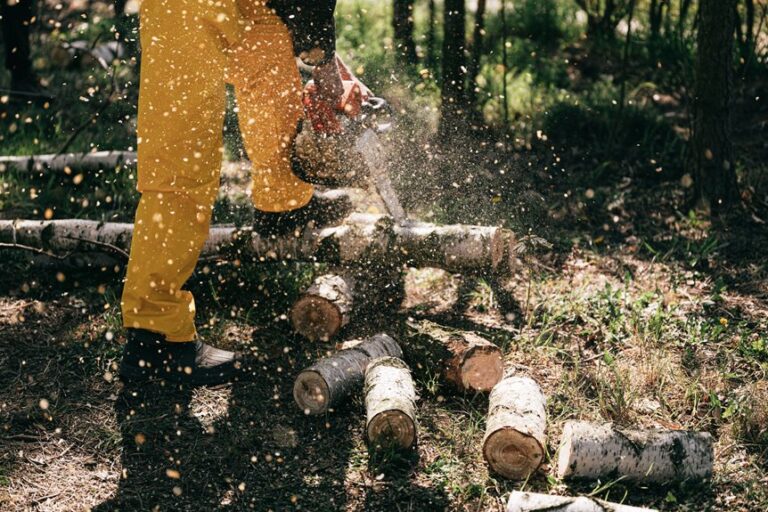
You’re likely here because yard cleanup, storm debris, pruning, and firewood cutting don’t wait for a weekend mood. The right saw saves time, cuts cleaner, and feels less tiring across a long session, especially when the job stretches from light limbing to thicker trunks. This lineup focuses on gas and cordless options with the reach, engine size, and bar length that matter in actual use. You’ll see where each one fits, and where a smaller or larger saw makes more sense.
The Shortlist At A Glance

Husqvarna 130 Gas Powered Chainsaw 16 Inch

PROYAMA 68CC 2-Cycle Top Handle Gas Powered Chainsaw 24 Inch 20 Inch

SUPMIXTOOLS 62cc Gas Chainsaw 20 Inch

Husqvarna 135 Mark II Gas Powered Chainsaw 16 Inch

Husqvarna 460 Rancher Gas Powered Chainsaw 24 Inch

Husqvarna 450 Rancher 20 Inch Gas Chainsaw 970613120

Husqvarna Power Axe 350i Cordless Electric Chainsaw 18 Inch 970601202

Husqvarna 455 Rancher Gas Chainsaw 20 Inch

Husqvarna 120 Mark III Gas Chainsaw 14 Inch 970739614
More Details On Our Top Picks
The 16-inch bar and 38-cc, 2-cycle X-Torq engine make this a sensible match for routine pruning and branch cutting. You get a gas saw that stays approachable for yard work, not a bulky machine that feels like too much tool for a small property.
Compared with the larger Rancher models later in the list, this one is easier to live with for lighter jobs and shorter sessions. The honest read is that you’ll trade away raw reach, but you gain a friendlier size for regular cleanup.
What We Like
- 16-inch bar suits common yard trimming.
- 38-cc engine keeps the format manageable.
- X-Torq design points to efficient fuel use.
- Automatic oiler helps keep the chain fed during routine work.
Points To Note
- Smaller size means less comfort for heavy felling.
- Gas upkeep is still part of ownership.
- For larger logs, the bar length can feel short.
Feature Snapshot
Who It Suits Best
Homeowners who want a lighter gas chainsaw for pruning, storm cleanup, and occasional wood cutting will get the most from this one.
A Better Fit Elsewhere
Husqvarna 450 Rancher 20 Inch Gas Chainsaw 970613120 suits you better when you want more reach and stronger all-around cutting for larger property work.
The top-handle layout sets this apart from the Husqvarna 130, because the grip style is better suited to controlled cutting in tighter spots. With 68 cc and 24-inch or 20-inch sizing in the title, this one leans toward more demanding wood work.
You may find the format less relaxed for casual yard trimming, but that trade-off makes sense for larger branches and bigger cuts. It feels aimed at people who already know they want a more assertive gas saw.
Highlights
- 68 cc displacement points to stronger cutting headroom.
- Top-handle design helps in tighter working positions.
- Two bar lengths in the title suggest flexible setup.
- Fits bigger pruning and tree-cutting tasks than the smaller 16-inch picks.
Small Caveats
- Top-handle saws demand more attention to handling.
- Likely more tool than a small suburban cleanup needs.
- Gas upkeep and storage take more effort than cordless models.
Details At A Glance
Built With In Mind
This suits experienced users who want a stronger gas saw for tree work, larger pruning sessions, and wood cutting that goes beyond basic yard cleanup.
Look Elsewhere When
Husqvarna 135 Mark II Gas Powered Chainsaw 16 Inch is the calmer match for smaller properties and easier weekend maintenance work.
This one stands out as the straightforward, no-frills gas option in the middle of the lineup. The 62 cc engine and 20-inch bar give you more breathing room than the smaller Husqvarna 130, without jumping all the way to the biggest Rancher format.
The listing also points to practical purchase support, with delivery and service notes that matter more than glossy extras. That makes it a reasonable fit for someone who wants a workhorse feel without getting lost in feature overload.
Bright Spots
- 62 cc size gives it solid cutting authority.
- 20-inch bar fits broader cuts and cleanup work.
- Simple product positioning makes it easy to size for the job.
- Appeals to shoppers who want function over extras.
Areas To Watch
- The source details are thinner than the Husqvarna entries.
- Gas upkeep still applies, including fuel and chain care.
- The tool may feel hefty for smaller pruning sessions.
Quick Facts
Whose Shelf It Belongs On
This fits budget-conscious shoppers who still want a full-size gas chainsaw for trimming, wood cutting, and general outdoor cleanup.
Skip It When
Husqvarna 450 Rancher 20 Inch Gas Chainsaw 970613120 makes more sense for you when you want a more fleshed-out brand package and stronger long-term all-around use.
The 135 Mark II follows the same 16-inch, compact-friendly path as the Husqvarna 130, but the 38-cc engine is rated a touch higher in output. That small bump matters in everyday pruning, where a little extra reserve can make the saw feel less strained.
You’ll still want it for manageable yard jobs rather than heavy clearing, and that’s the honest read. For most homes, it strikes a good middle line between easy handling and enough muscle for seasonal cleanup.
Upsides
- 16-inch bar is a familiar fit for home trimming.
- 38-cc, 2.1-HP engine gives a modest step up over the 130.
- X-Torq engine design supports efficient gas use.
- Automatic oiler keeps routine chain lubrication simpler.
- Good match for property owners who want a sensible gas saw.
Worth Noting
- It’s still a light-duty format compared with Rancher models.
- Gas storage and maintenance are part of the package.
- For deeper cuts, you’ll want a longer bar.
Core Details
Made For
Homeowners who want a dependable gas saw for pruning, smaller cleanups, and routine wood cutting will get the most from this model.
Reach For A Different Pick When
Husqvarna 455 Rancher 20 Inch Gas Chainsaw 970613120 makes more sense for heavier all-around property work and longer cutting sessions.
This is where the list shifts from homeowner trimming into more serious cutting territory. The 60.3-cc engine, 3.6-HP rating, and 24-inch bar give you the kind of setup that makes sense for larger logs, heavier pruning, and land clearing.
Compared with the 455 Rancher, the longer bar makes this feel more stretched toward bigger work. You may find it more tool than a small property needs, but for broad cuts and tougher sessions, it earns its place.
Reasons To Buy
- 60.3 cc engine gives it substantial cutting power.
- 24-inch bar suits larger wood and broader cuts.
- Automatic adjustable oil pump supports chain care during longer jobs.
- Well suited to land clearing and heavy pruning.
- Feels like a step up for demanding outdoor use.
Honest Caveats
- Size and weight are likely too much for casual users.
- Maintenance demands are part of owning a larger gas saw.
- Storage takes more space than the 16-inch models.
Feature Rundown
Perfect Match For
This suits experienced homeowners and landowners who need a serious gas saw for bigger cutting jobs and longer sessions.
Where A Sibling Pick Shines
Husqvarna 450 Rancher 20 Inch Gas Chainsaw 970613120 is the better balance point for property upkeep that doesn’t need quite this much reach.
Among the gas saws here, this one sits in a very useful middle zone, stronger than the lighter 16-inch models but easier to manage than the 24-inch Rancher. The 50.2-cc engine and 20-inch bar make it a practical fit for pruning, cleanup, and firewood prep.
That balance is the point, and it’s why this model makes sense for many properties with mixed chores. The honest trade-off is that it doesn’t chase the biggest cutting reach, but that restraint helps with daily comfort and handling.
Standout Traits
- 50.2 cc engine gives strong middleweight performance.
- 20-inch bar suits a wide mix of chores.
- Automatic oiler supports simpler chain maintenance.
- X-Torq engine setup is built for gas-powered efficiency.
- Good fit for yard cleanup and firewood splitting prep.
Softer Spots
- Still a gas saw, so fuel and upkeep remain part of ownership.
- Not as compact as the 14-inch or 16-inch options.
- For very large timber, the 24-inch model has more reach.
Spec Overview
The Right Fit
This is a smart match for property owners who want one gas chainsaw that can handle pruning, cleanup, and firewood work without feeling oversized.
Swap It Out When
Husqvarna Power Axe 350i Cordless Electric Chainsaw 18 Inch 970601202 suits you better for quieter operation and easier day-to-day handling around the house.
This is the easy-setup option in the group, and the cordless format will matter most to you if you want to skip fuel handling and pull-start routines. The 18-inch bar, brushless motor, and included 40V lithium-ion battery and charger make the package feel complete out of the box.
Quiet operation is the other big draw here, especially for suburban cleanup where noise can be a nuisance. Compared with the gas Ranchers, you give up that long-running gas-saw style, but you gain a cleaner, lighter daily experience.
Best Bits
- Cordless setup keeps startup and storage simpler.
- Brushless motor usually points to efficient power delivery.
- 18-inch bar gives respectable reach for a battery saw.
- Battery and charger are included in the package.
- Quiet operation suits neighborhoods and shared spaces.
Minor Gripes
- Battery runtime will matter more than it does with gas saws.
- Not the right fit for the biggest timber jobs.
- The cordless format adds charging to your routine.
Technical Sheet
Who Should Grab It
This is a strong fit for homeowners who want cordless convenience, quieter operation, and a bar length that still handles real yard work.
Another Choice May Suit
Husqvarna 450 Rancher 20 Inch Gas Chainsaw 970613120 suits you better when you care more about long-session gas power than cordless simplicity.
The 455 Rancher lands in that comfortable middle ground many property owners look for, with a 55-cc engine and 20-inch bar that can handle pruning, firewood, and land clearing. It feels more substantial than the 135 Mark II, yet not as stretched toward large-tree work as the 460 Rancher.
That middle position makes the saw easier to recommend for mixed chores around a yard or acreage. You still get the realities of gas ownership, but you also get a setup that feels ready for repeated seasonal use.
Standout Traits
- 55 cc engine gives useful reserve for varied cutting.
- 20-inch bar hits a sweet spot for many tasks.
- Automatic oiler supports ongoing chain care.
- Works well for firewood, cleanup, and land clearing.
- Strikes a good balance between size and reach.
Areas To Watch
- Gas maintenance remains part of the routine.
- Not as easygoing as the smaller 16-inch Husqvarna models.
- For the biggest cuts, the 24-inch 460 Rancher offers more reach.
Feature Card
Best Suited To
This suits property owners who want one dependable gas chainsaw for pruning, cleanup, and regular firewood work.
Where A Sibling Pick Shines
Husqvarna 460 Rancher Gas Powered Chainsaw 24 Inch is the better fit for you when your work shifts toward larger timber and heavier land clearing.
The 120 Mark III is the smallest and easiest-to-place saw in the group, and that matters for routine tree pruning or quick wood cutting around a smaller property. With a 38-cc engine and 14-inch bar, it asks for less space and less physical effort than the 16-inch Husqvarna models above it.
That compact size also makes it the least intimidating gas pick here, though it won’t suit bigger firewood or land-clearing work. The honest read is that it’s best for lighter jobs you want done cleanly and without extra bulk.
Positives
- 14-inch bar keeps the saw compact and nimble.
- 38-cc engine fits lighter pruning and trimming work.
- Automatic oiler supports routine chain lubrication.
- Good for homeowners with smaller outdoor spaces.
Things To Consider
- Shorter bar limits larger-cut reach.
- Gas upkeep still applies, even in a compact format.
- Less suitable for land clearing or heavy wood cutting.
Core Details
Built With In Mind
This is the natural fit for homeowners who want a small, manageable gas chainsaw for pruning and light cleanup.
Where Shoppers Go Wrong
Husqvarna 460 Rancher Gas Powered Chainsaw 24 Inch suits you better once the job calls for more reach, more power, and less compromise.
How To Choose The Right Professional Chainsaws
Match Bar Length To The Wood You Cut
Bar length tells you how wide a cut the saw can handle in one pass. A 14-inch or 16-inch bar suits pruning, branch cleanup, and smaller logs, while 20-inch and 24-inch bars make more sense for thicker trunks or repeated firewood work.
You also need to think about handling, because longer bars usually mean more weight and more effort. For most homes, a mid-length bar offers the easiest balance between reach and control.
Choose Gas Or Cordless For Your Routine
Gas chainsaws bring longer run time and strong output, which matters for bigger jobs and back-to-back cutting. Cordless saws trade some of that endurance for easier startup, lower noise, and less day-to-day mess.
The right call depends on how you work. A gas saw suits acreage, storm cleanup, and heavier cutting, while a battery model fits smaller properties and quicker sessions.
Look At Engine Size And Power Together
Engine size, measured in cubic centimeters or cc, gives you a rough sense of how much work the saw is built for. More cc usually means more cutting headroom, but also more mass and more vibration to manage.
Power ratings help you compare saws in the same family, yet they do not replace the feel of the tool in hand. The best match is the one that fits your wood, your frequency of use, and your comfort with heavier equipment.
Don’t Ignore Maintenance Features
Automatic oilers and adjustable oil pumps matter because chain lubrication affects smooth cutting and long-term wear. A saw that feeds oil more consistently is easier to live with during longer sessions.
Also think about fuel, storage, battery charging, and parts cleaning. That quiet maintenance burden is where many people feel the difference between a tool that stays useful and one that gets left in the shed.
Things Worth Knowing First
Wrong Turns To Avoid
A common mistake is choosing a bigger saw because the specs look impressive, then finding it tiring for routine pruning. Another is picking a compact saw for large logs and expecting it to behave like a land-clearing tool.
You’ll save frustration by matching the saw to the work you do most often, not the hardest job you can picture. That keeps the purchase practical instead of theoretical.
The Upgrade Payoff
Higher-tier saws usually cost more because you’re paying for more engine size, longer bars, stronger materials, and features that help during longer sessions. The difference often shows up in better control under load and less strain on the tool.
The upgrade makes sense for acreage, regular firewood prep, and anyone who cuts through thicker wood often. For occasional yard cleanup, a lighter saw can be the smarter use of money and space.
Frequently Asked Questions
What Bar Length Works Best For General Yard Work?
A 14-inch or 16-inch bar is usually the easiest place to start for trimming and cleanup. It gives you enough reach without turning the saw into a burden.
Is A Cordless Chainsaw Strong Enough For Real Cleanup?
A cordless saw can handle branch cutting, storm debris, and lighter firewood prep. For bigger logs and long sessions, gas still has the edge.
What Does X-Torq Mean On Husqvarna Saws?
X-Torq is Husqvarna’s two-stroke engine design used across several gas models here. It’s there to balance output and efficiency in a familiar gas-saw format.
Why Does Automatic Oiling Matter?
Automatic oiling feeds the chain while you work, so you don’t have to manage lubrication as often by hand. That helps the saw stay smoother during longer cuts.
Who Needs A 24-Inch Chainsaw?
A 24-inch saw fits bigger wood, heavier pruning, and land-clearing jobs better than compact homeowner models. For smaller properties, it can feel larger than necessary.
Final Thoughts
You have a clear spread here, from compact pruning saws to serious gas machines with real reach. The best choice comes down to the wood you cut most, the space you work in, and how much upkeep you’re willing to live with. The Husqvarna 120 Mark III and 130 make sense for lighter work, while the 450, 455, and 460 Rancher models step up for broader property jobs. Pick the saw that matches your routine, and it’ll feel useful far more often.