Propane leaks are the kind of problem you want to spot early, before a weekend trip, a kitchen repair, or a storage-bin check turns into a headache. The right detector helps you narrow down a suspicious smell, inspect hoses and fittings, and decide whether a quick tightening or a professional look is the smarter next step.
This roundup keeps the focus on practical use. You’ll see handheld gas sniffer styles, spray-based leak checks, and a multi-gas monitor, so you can match the tool to your RV, home, garage, or trade work.
The Shortlist At A Glance
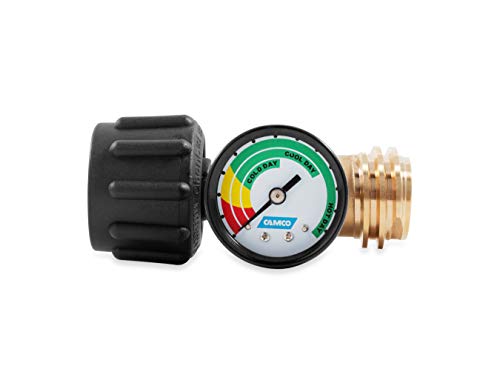
Camco RV Propane Gauge and Leak Detector 59023

RIDGID 36163 CD-100 Micro Combustible Gas Handheld Diagnostic Detector

TopTes PT760 Rechargeable Natural Gas Detector

TopTes PT299 Gas Leak Detector with Extendable Rod

PT520A+ Rechargeable Gas Leak Detector with 17-inch Probe

UEi Test Instruments CD100A Combustible Gas Leak Detector

Camco 10324 Gas Leak Detector with Sprayer 8 oz
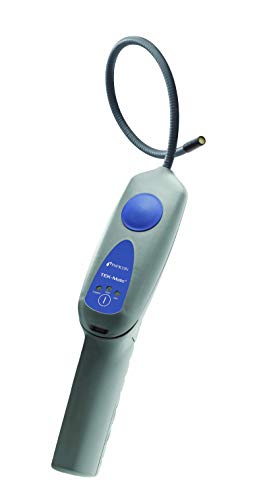
Inficon Refrigerant Leak Detector Model 705-202-G1
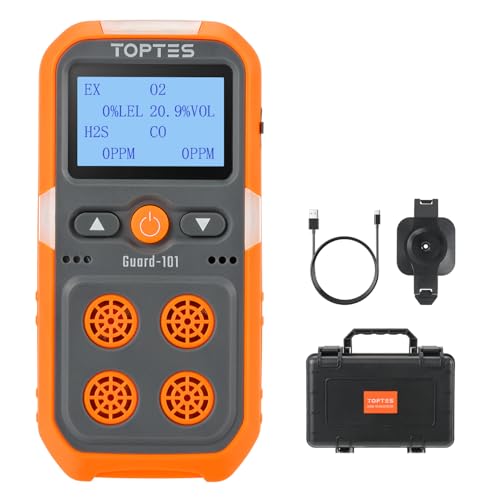
TopTes Guard-101 Gas Detector 4 Gas Monitor
More Details On Our Top Picks
This one makes the most sense for RV trips, propane grills, and boat setups that use a Type 1 connection. The gauge-plus-detector layout keeps the tool focused on the gear you already own, so you’re not juggling extra adapters for simple checks.
It won’t replace a handheld sniffer for hunting a tiny leak inside cabinetry, though, and that’s the trade-off. You’re getting a practical connection tool first, which suits campers and outdoor cooks who want one compact part in the chain.
Strong Points
- Built around Type 1 compatibility for common propane setups.
- Useful for RV storage checks before a trip starts.
- Fits boating and grill use without much fuss.
- Combines gauge and leak-check roles in one part.
Things To Consider
- It’s more connection-focused than a full handheld detector.
- Best suited to matching fittings, not broad room scans.
- Routine inspection still matters around hoses and seals.
Core Details
Who It Suits Best
RV owners and casual grill users who want a connection-friendly propane check tool will get the most from it.
Another Choice May Suit
RIDGID 36163 CD-100 Micro Combustible Gas Handheld Diagnostic Detector fits you better when you want probe-driven leak tracing around cabinets, appliances, or tighter mechanical spaces.
For leak tracing, this handheld style feels more surgical than Camco’s connection-first part. The 16-inch flexible probe reaches into awkward spots, while visual, audible, and vibration alerts give you three ways to notice a problem.
That extra feedback helps in a noisy garage or around an RV bay, where one cue alone can be easy to miss. The honest read is that it’s built for focused diagnostic work, not for people who only want a quick hose spray once in a while.
What We Like
- Flexible 16-inch probe reaches behind appliances and fittings.
- Three alarm types help in loud work areas.
- Good fit for narrow search zones and pinpoint checks.
- Feels well matched to service-minded use.
Room For Improvement
- It asks for more attention than a simple spray test.
- The probe length may feel cramped in very wide spaces.
- Keeping the sensor area clean helps preserve day-to-day reliability.
Feature Rundown
Made For
DIYers and service techs who need a handheld detector for deeper, more precise checks will appreciate it most.
Where A Sibling Pick Shines
TopTes PT299 Gas Leak Detector with Extendable Rod suits you better when you want a lighter, simpler handheld for quick home sweeps and battery-included convenience.
The PT760 leans into convenience, which matters a lot in a home, RV, or garage routine. Its rechargeable design cuts down on battery swaps, and the built-in flashlight helps when you’re checking behind appliances or inside dim storage spaces.
The 12-inch extendable probe gives you more reach than Camco’s connection part, while staying a little less specialized than RIDGID’s longer probe setup. That balance works well for shoppers who want one compact detector for propane, methane, and butane checks without a steep learning curve.
Highlights
- Rechargeable setup is handy for regular use.
- Flashlight helps in dark cabinets and utility spaces.
- Extendable probe improves access around fittings and corners.
- Handles several combustible gases for broader household use.
Minor Gripes
- The probe is useful, though not as long as some trade tools.
- Rechargeable gear still needs regular charging discipline.
- Works best as a focused leak finder, not a general alarm panel.
Details At A Glance
The Right Fit
Homeowners and RV users who want a rechargeable detector with extra reach and light support will get strong day-to-day value here.
Swap It Out When
UEi Test Instruments CD100A Combustible Gas Leak Detector suits you better when you want a more traditional gas-finder style for steady service use.
This PT299 keeps the formula straightforward, which is often what you want for quick checks around the house or RV. The extendable rod helps you reach around fittings, and the included batteries remove one more small task before the first use.
Compared with the PT760, it gives you a less feature-heavy path into combustible gas detection. That makes sense for occasional inspections, though you may prefer something richer in extras once your use becomes more frequent.
Best Bits
- Extendable rod improves reach in tight spaces.
- Battery inclusion makes setup simpler.
- Lightweight feel suits quick household scans.
- Handles methane and butane along with propane.
Softer Spots
- Less feature-heavy than the PT760.
- Basic design suits occasional use more than heavy routines.
- Keeping the probe clean helps it stay ready for repeat checks.
Feature Card
Built With In Mind
Home and RV owners who want a simple, portable detector for occasional leak checks will feel at home with it.
Look Elsewhere When
TopTes PT520A+ Rechargeable Gas Leak Detector suits you better when a longer 17-inch probe matters more than a lighter basic form.
The longer 17-inch probe is the main draw here, and that extra reach changes how you work around HVAC cabinets, appliance backs, and cramped RV compartments. Rechargeable power adds convenience, so the tool fits recurring inspection routines better than a throwaway-battery model.
Against the PT299, this feels more ready for awkward spots that need a longer arm. The trade-off is that anything with extra reach can feel a bit less nimble in small hands, so it suits methodical use more than quick casual pokes.
Reasons To Buy
- 17-inch probe helps reach deeper and farther.
- Rechargeable design supports repeated use.
- Well matched to HVAC, home, and RV checks.
- Useful where access is tight or offset.
Areas To Watch
- Longer reach can feel less nimble in tight hands-on work.
- Rechargeable gear still asks for periodic charging.
- Storage works best with the probe kept clear of bends.
Spec Overview
Whose Shelf It Belongs On
Homeowners and service-minded RV users who want deeper reach for recurring checks will get the most from it.
Not Your Match When
Camco 10324 Gas Leak Detector with Sprayer fits you better when you prefer a simple spray-and-watch method for fittings instead of an electronic probe tool.
The CD100A leans into straightforward combustible-gas finding, which is a solid fit for routine service work and maintenance checks. It sits closer to RIDGID’s diagnostic style than the more casual Camco spray bottle, so the use pattern feels familiar to people who already work around fittings and mechanical spaces.
You may find it appealing for steady, repeat use in a garage, basement, or utility room. Nothing flashy here, and that’s part of the charm, because simple tools are often the ones that stay in service the longest.
Bright Spots
- Clear focus on combustible gas detection.
- Works well for maintenance and service routines.
- Simple format keeps the learning curve low.
- Good match for everyday utility spaces.
Points To Note
- It’s a focused tool, not a multi-mode monitor.
- Users who want extra reach may prefer a probe-based model.
- Keeping it stored clean and dry helps long-term reliability.
Core Details
Who Should Grab It
Home maintenance users and service pros who want a simple combustible gas detector for recurring checks will get strong utility from it.
Where A Sibling Pick Shines
TopTes Guard-101 Gas Detector suits you better when you need a monitor-style tool for several gases at once rather than a single-purpose detector.
Not every propane check needs a gadget with alarms, and this spray bottle is proof of that. You spray the suspected joint or hose, then watch for bubbles, which keeps the process very direct for RV hookups and grill fittings.
That simplicity is its strength, especially for people who want a low-fuss way to inspect obvious connection points. The limitation is just as plain: it’s a surface check, so it won’t help much with hidden paths inside cabinets or walls.
Upsides
- Very simple bubble-based leak check.
- Useful for RV propane tests.
- Good for hose and connector inspection.
- Easy to store in a tool bin.
Small Caveats
- Works on visible joints, not hidden spaces.
- Spray application means a bit of cleanup afterward.
- Best for quick checks, not deeper diagnostics.
Feature Snapshot
Perfect Match For
RV owners and grill users who want a very simple leak check for fittings and hoses will appreciate it.
A Better Fit Elsewhere
RIDGID 36163 CD-100 Micro Combustible Gas Handheld Diagnostic Detector suits you better when you need deeper, probe-based searching instead of a spray test.
This Inficon unit shifts the list toward refrigerant work, so it belongs here mainly for people who handle HVAC systems and related leak searches. The 0.25 oz./year sensitivity gives you a concrete sense of the small leaks it’s designed to pick up, which is a different lane from the propane-first tools above.
That tighter focus is the point, and it explains the premium feel. You’re paying for a tool aimed at specialized detection work, so it makes more sense for technicians and serious HVAC users than for someone who just needs an occasional RV propane check.
Standout Traits
- Very fine sensitivity for refrigerant work.
- Clear fit for HVAC leak searching.
- Specialized design suits professional-style use.
Worth Noting
- It’s tuned for refrigerant, not broad propane use.
- Specialization makes it less universal than the gas-first picks.
- Careful storage helps protect a tool at this level.
Technical Sheet
Who Will Love This
HVAC technicians and advanced home users who need refrigerant-focused leak detection will benefit most from it.
Another Choice May Suit
TopTes PT760 Rechargeable Natural Gas Detector is a better match when your main task is propane and natural gas checking around home or RV equipment.
The Guard-101 broadens the conversation from propane alone to a 4-gas monitor that tracks H2S, CO, LEL, and O2. That makes it a different kind of tool, better suited to jobsite monitoring or mixed-gas awareness than to a single-purpose kitchen or grill check.
The 14-hour battery life and vibration, visual, and audible alarms add confidence for long workdays, and the explosion-resistant design language points toward demanding settings. The trade-off is obvious: multi-gas monitoring is more serious and less casual, so it fits a narrower group than the simpler handhelds.
Best Bits
- Tracks four gases in one unit.
- Three alarm styles help in loud settings.
- Long battery life supports extended shifts.
- Useful for work and home monitoring.
Trade Offs
- More monitoring than many propane-only users need.
- Best fit comes from serious, repeated checks.
- Keeping the unit charged helps it stay ready for long use.
Core Details
Built With In Mind
Worksite users, maintenance crews, and anyone who needs multi-gas awareness across a long shift will get the most from it.
Reach For A Different Pick When
Camco 10324 Gas Leak Detector with Sprayer is the simpler choice for basic propane fitting checks around RV gear or grills.
How To Choose The Right Propane Leak Detectors
Match The Tool To The Job
Propane leak detectors split into a few clear styles, and that matters more than brand name alone. A spray bottle works best for visible joints, a handheld sniffer helps trace a hidden issue, and a gauge-style part suits connected RV or grill hardware.
Probe length matters because access changes everything. A 16-inch or 17-inch probe can reach behind appliances and into service areas, while shorter tools feel easier to steer in close quarters.
Think About Power And Alerts
Rechargeable models reduce battery swapping, which helps for regular inspections in an RV, garage, or utility room. Disposable-battery tools can still make sense for occasional use, especially when you want a detector ready to go after long storage.
Alert type also shapes real-life use. Visual, audible, and vibration cues help in noisy spaces, dim basements, or outdoor setups where one signal can be missed.
Pick For Your Space And Pace
Homeowners checking a stove line have different needs from service techs or RV travelers. A simple spray is fine for quick connector checks, while a more advanced detector earns its place when you inspect cabinets, bay areas, or deeper mechanical spaces.
Material and build style matter in a practical way too. A compact handheld stores easily, but a multi-gas monitor or long-probe model can be worth the extra bulk when your workday is longer and the spaces are tighter.
Things Worth Knowing First
Common Shopping Slip Ups
A common mistake is choosing a tool that doesn’t fit the kind of leak check you actually do. A spray bottle won’t help much with hidden spaces, and a specialty HVAC detector makes little sense for a simple RV hose check.
Another miss is overlooking reach. Short probes can feel awkward around furnace compartments, appliance backs, and cramped cabinets, so the tool can end up working against you instead of helping.
Where The Extra Money Goes
Higher-tier detectors usually pay for longer probes, more alert types, or broader gas coverage. That extra cost also tends to support features you notice during real use, like rechargeable power, multi-gas monitoring, or finer sensitivity.
The upgrade makes sense when you inspect often, work in noisy conditions, or need to reach awkward spots without moving equipment around. For occasional grill checks, a simpler tool often does the job without adding clutter.
Frequently Asked Questions
What makes a propane leak detector different from a gas monitor?
A propane leak detector usually focuses on combustible gas searching around lines, fittings, and appliances. A gas monitor can watch several gases at once and is often built for broader jobsite awareness.
Can you use a spray-based leak check on RV fittings?
Yes, a spray and bubble check is a common way to inspect visible joints and hose connections. It is best for exposed areas you can see and reach.
Do rechargeable detectors make sense for occasional use?
They do when you want a ready-to-go tool for repeat checks. A rechargeable model can also be handy if you dislike keeping spare batteries around.
Why do some detectors have long probes?
Long probes help you reach into deeper or more awkward spaces, such as behind appliances or into RV compartments. That extra reach can make the search easier, though it adds a little bulk.
Is a multi-gas detector better than a propane-only tool?
Not always. A multi-gas model fits work environments that need broader monitoring, while a propane-only tool often feels simpler and more direct for home or RV checks.
Final Thoughts
You have a lot of room to choose well here, because the category spans simple spray checks, compact handheld sniffers, and more advanced multi-gas monitors. For RVs and grill setups, Camco and TopTes cover the most practical ground, while RIDGID and UEi lean harder into hands-on diagnostics. If you need broader monitoring, the Guard-101 changes the picture completely. Match the tool to how often you check, where you check, and how much reach you actually need.