You want putty knives that feel right in the hand, match the job size, and do not turn a small repair into extra cleanup. That matters whether you are patching drywall, lifting old wallpaper, smoothing spackle, or scraping adhesive from glass and painted trim.
This roundup keeps the focus on usable shapes, blade materials, and size variety, so you can match the tool to your own projects instead of guessing. Some picks lean flexible and gentle, while others are built for firmer scraping or broader taping work.
Quick Look At The Shortlist

Harniruco 3 Pcs Putty Knife 3-Pack

Listenman Putty Knife Set 4 PCS (2,3,4,6 inch)

Hyde 06578 Putty Knife Flexible 4

Bates 4-Inch Carbon Steel Putty Knife

DEKEones Putty Knife Scrapers 1.5 Inch
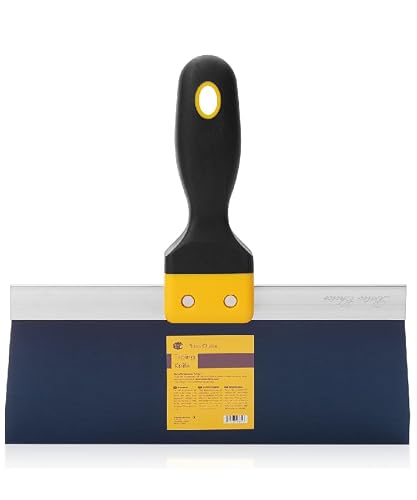
Bates Taping Knife 10 Inch Blue Steel

DEWALT 1.5 Stainless Steel Joint Knife 2-401

Doimeri 6 Pack Putty Knife 1 to 5 Inch

Tallew 9 Pcs Plastic Scraper Tool Orange
More Details On Our Top Picks
The Harniruco set leans on plastic blades, so it makes more sense for light spreading and careful scraping than for aggressive removal. The 1.5-inch, 3-inch, and 6-inch sizes give you a small-to-wide spread in one package, which helps in a busy paint room or around a small patch job.
The trade-off is stiffness, since plastic will not feel as rigid as steel on stubborn material. Still, that gentler edge can be a plus around painted trim, craft work, or any task where you want less chance of marking the surface.
Strong Points
- Three sizes cover detail work and broader spreading without buying separate tools.
- Plastic construction suits delicate surfaces where metal can feel too sharp.
- Light weight helps during longer touch-up sessions.
- Simple design makes rinsing and basic cleanup quick.
Points To Note
- Plastic blades flex more than steel, so stubborn buildup takes more effort.
- Not the right fit for heavy scraping jobs.
- You may want to store it flat so the blades keep their shape.
Feature Snapshot
Who It Suits Best
It suits home users who need a light-duty set for patching, spreading, and careful scraping around the house.
A Better Fit Elsewhere
Listenman Putty Knife Set 4 PCS (2,3,4,6 inch) suits you better for more blade sizes and a firmer metal feel.
The Listenman set gives you four common widths, and that kind of spread helps when a single blade feels too cramped or too broad. Compared with the plastic Harniruco set, these metal scrapers bring a firmer feel for drywall, decal removal, wallpaper work, and patching jobs around the house.
That extra firmness helps on tougher residues, though it also means you need a steadier hand near finished surfaces. For most garages or spare rooms, the mixed sizing makes the set easy to keep nearby without overthinking which blade to grab.
Bright Spots
- Four widths help you match the blade to the task.
- Metal construction gives more push for scraping and spreading.
- Useful for paint prep, wallpaper, decals, and drywall touch-ups.
- Good utility for general home maintenance kits.
Areas To Watch
- Metal edges can be less forgiving on sensitive finishes.
- There is no single specialty shape here, so niche tasks may call for another tool.
- Basic storage matters, since loose blades can rub against other tools.
Core Details
Made For
It suits homeowners and DIY users who want a general-purpose scraper set for patching, stripping, and prep work.
Another Choice May Suit
Doimeri 6 Pack Putty Knife 1 to 5 Inch suits you better if you want even more size coverage in stainless steel.
The Hyde 4-inch blade sits in a useful middle zone, wide enough for standard patching and still manageable around corners and trim. Compared with the Listenman set, this one is for someone who wants a familiar single size instead of a kit with several widths.
That keeps the tool easy to grab for routine spackling, light scraping, and smoothing work on walls or small repair spots. The honest read is that a single blade can feel limiting on bigger jobs, but for everyday touch-ups it stays pleasantly straightforward.
What We Like
- 4-inch width fits many common household repairs.
- Flexible blade helps with smoother spreading on patch work.
- Single-tool format keeps the pouch or toolbox uncluttered.
- Good middle-ground size for users who do not want a full set.
Room For Improvement
- One size means less range for very small or wider jobs.
- Flexibility helps finesse, but tougher scraping still calls for patience.
- You may want a blade guard or separate pocket in storage.
Technical Sheet
Best Suited To
It suits casual home repair work, especially for someone who wants one dependable blade for standard spackle jobs.
Where A Sibling Pick Shines
Harniruco 3 Pcs Putty Knife 3-Pack suits you better if you want multiple blade widths with a softer plastic touch.
Carbon steel gives this Bates blade a firmer, more task-focused feel than the flexible Hyde or the plastic Harniruco set. That matters for drywall scraping, spackle cleanup, and paint prep where you want the edge to keep its shape under pressure.
It still stays in a workable 4-inch size, so you do not lose too much control on smaller wall sections. One thing worth considering is care, since carbon steel tools usually deserve a dry wipe-down after use to keep the finish in better shape.
Upsides
- Carbon steel blade feels strong for scraping and prep work.
- 4-inch width stays versatile for many repair tasks.
- Useful on drywall, spackle, and painted surfaces.
- Good step up from softer plastic tools.
Softer Spots
- Stiffer metal can feel less forgiving on delicate surfaces.
- Carbon steel usually needs a little more drying care after use.
- Not as broad as a taping knife for wide finishing passes.
At A Glance
Who Will Love This
It suits DIY painters and drywall repair users who want a sturdier scraper for regular maintenance work.
Swap It Out When
Bates Taping Knife 10 Inch Blue Steel suits you better for wider finishing passes on larger drywall seams.
The DEKEones 1.5-inch scraper is built for small, exact work where a larger blade would feel clumsy. Compared with the Bates 4-inch metal knife, this one gives you more control for corners, decal edges, plaster spots, and narrow cleanup areas.
It also fits neatly into a tool pouch, which makes it handy for quick jobs around the house or in a workshop. The trade-off is obvious, though, since a narrow blade takes more passes on broader surfaces.
Best Bits
- Small blade size helps with precise control.
- Useful for decals, plaster, drywall finishing, and wallpaper cleanup.
- Easy to carry in a pocket or compact kit.
- Good companion tool beside a wider scraper.
Minor Gripes
- Small width slows down larger smoothing jobs.
- Narrow blades are less efficient for broad scraping.
- You may want to keep it separate from heavier tools so the edge stays tidy.
Details At A Glance
Perfect Match For
It suits detail-focused DIY work, especially in tight spaces or around edges where control matters more than width.
Look Elsewhere When
Doimeri 6 Pack Putty Knife 1 to 5 Inch suits you better for broader coverage and more blade sizes in one set.
The 10-inch blade changes the job in a practical way, because a wider taping knife spreads compound across seams with fewer passes. Compared with the smaller Bates 4-inch scraper, this one belongs in drywall finishing and bigger wall repair work rather than quick patch cleanup.
Blue steel sits between flexibility and strength in a way that many drywall users appreciate, especially for long seams and smoother feathering. You may find it a little much for tiny repairs, but in a room with several joints to finish, the wider face earns its keep.
Reasons To Buy
- 10-inch width helps cover wide seams and joints.
- Good fit for drywall taping and compound spreading.
- Blue steel offers a useful balance of give and firmness.
- Reduces the number of passes on larger areas.
Worth Noting
- Too wide for tiny corner repairs or detail scraping.
- Best suited to drywall-style work rather than general household scraping.
- Long blades take a bit more storage space.
Feature Rundown
Built With In Mind
It suits drywall finishers and renovation work where a wider blade helps you move compound smoothly.
Reach For A Different Pick When
Hyde 06578 Putty Knife Flexible 4 suits you better for smaller repairs and everyday wall touch-ups.
Stainless steel gives this DEWALT joint knife a cleaner, more polished feel than the carbon-steel Bates or the blue-steel taping knife. In a kitchen drawer, workshop pouch, or paint kit, the one-piece blade design should appeal to you if you want a simpler tool with fewer seams to worry about.
The 1.5-inch width keeps it nimble for small repairs, corner work, and close-in scraping. The trade-off is reach, because narrow blades take longer on wide patch areas, but that narrower form is exactly why detail users tend to like them.
Highlights
- Stainless steel build suits clean, precise scraping tasks.
- One-piece construction feels straightforward and easy to maintain.
- 1.5-inch blade works well for detail repair areas.
- Good fit for users who prefer a compact, polished knife.
Small Caveats
- Narrow width slows larger patching jobs.
- Single-size layout leaves no built-in backup size.
- Fine metal edges still deserve careful storage.
Spec Overview
Whose Shelf It Belongs On
It suits detail-focused DIY users who want a compact joint knife for precise finishing and careful scraping.
Skip It When
Bates Taping Knife 10 Inch Blue Steel suits you better for broad drywall seams and larger finishing passes.
Doimeri covers a wide range of blade widths, from 1 inch through 5 inches, so the set makes sense for households that run into all kinds of repair sizes. Compared with the smaller Listenman four-piece set, this one gives you an extra step or two in coverage, which helps when a narrow blade just feels too slow.
Premium stainless steel also points to a sturdier, cleaner-feeling tool set for drywall repair, wallpaper removal, mud application, and plaster work. The trade-off is simple, since a fuller set takes more drawer space, but that can be worth it for a workshop or renovation kit.
Positives
- Six blade widths create real range for different jobs.
- Stainless steel construction suits repeated home repair use.
- Good match for drywall, wallpaper, mud, and plaster tasks.
- Useful for anyone who wants one set to cover many repairs.
- More size coverage than smaller starter sets.
Honest Caveats
- Six tools take more storage room than a single knife.
- Metal blades need basic care after use to stay in better shape.
- The set may be more than you need for only occasional touch-ups.
Core Details
Right Fit For
It suits homeowners and remodelers who want a broad stainless steel set for mixed repair jobs.
A Better Fit Elsewhere
DEKEones Putty Knife Scrapers 1.5 Inch suits you better if you only need a compact tool for smaller, precise work.
The Tallew set leans into plastic, so it is the gentler choice in a category full of metal blades. That makes sense for window film, floor labels, paint cleanup, and other tasks where a scratch-free touch matters more than brute force.
Compared with the DEWALT and Doimeri metal tools, this set feels more like a specialist kit for delicate surfaces and repeated light scraping. The orange color also makes the pieces easier to spot in a crowded toolbox, which sounds minor until you are hunting for a scraper in a cluttered shelf.
Best Bits
- Plastic edges help reduce surface marking on delicate jobs.
- Nine-piece set offers plenty of backup tools.
- Useful for window film, labels, paint cleanup, and floor work.
- Bright color makes the tools easier to spot in storage.
Things To Consider
- Plastic is less forceful than metal on stubborn buildup.
- Light-duty focus means it is not a replacement for a steel scraper.
- Multiple small pieces can need a dedicated storage spot.
Feature Card
The Right Fit
It suits home users who need a non-metal scraper set for glass, labels, film, and other delicate cleanup jobs.
Where A Sibling Pick Shines
Bates 4-Inch Carbon Steel Putty Knife suits you better for firmer wall scraping and drywall prep work.
How To Choose The Right Putty Knives
Blade Material Shapes The Job
Plastic blades suit gentle spreading and surface-safe scraping, especially near painted trim, glass, or decorative finishes. Metal blades give you more bite, which helps with drywall compound, wallpaper edges, and dried residue.
Stainless steel feels cleaner to maintain, while carbon steel and blue steel usually feel firmer for heavier work. The right material depends less on hype and more on how much pressure your projects usually demand.
Width Matters More Than You Think
Narrow blades around 1.5 inches help with corners, tight spots, and detail cleanup. Wider knives around 4 to 10 inches save time on seams, patches, and broad smoothing passes.
Many households do better with a small blade plus a mid-size or wide blade, because one size rarely covers everything. That mix is especially useful in a garage, rental unit, or busy renovation space.
Sets Versus Single Knives
A set gives you flexibility, which matters when projects range from tiny nail holes to wider wall repairs. A single knife makes more sense for someone who already knows the size they reach for most often.
One good set can stay in the toolbox for years of touch-up work, while a focused single blade feels lighter and simpler. That trade-off is usually about storage space and how many repair types show up in your home.
Think About Handling And Maintenance
Comfort grips, blade flex, and edge shape all change how long you can work before your hand feels tired. A flexible blade is easier for smoothing, while a stiffer blade helps when you need more control against thicker material.
Cleanup matters too, because dried compound and adhesive can make any blade less pleasant to use next time. A quick wipe after the job usually helps more than fancy packaging ever will.
Things Worth Knowing First
Wrong Turns To Avoid
Many people grab a blade that is too wide for trim work or too small for seam filling, then wonder why the job feels slow. Matching width to the task saves effort right away.
Another common miss is choosing metal for every surface, even delicate ones. Plastic has a place, especially around glass, labels, and painted areas that need a softer touch.
The Upgrade Payoff
Higher-tier knives usually cost more because of material quality, blade construction, and finish consistency. Stainless steel, one-piece builds, and wider taping formats tend to feel steadier in longer work sessions.
That extra spend makes the most sense for regular drywall repair, remodeling, or anyone who reaches for a scraper often. For occasional patching, a simpler set can still cover the basics without much fuss.
Frequently Asked Questions
What size putty knife works for most home repairs?
A 4-inch knife covers a lot of routine patching and smoothing work. Smaller blades help with corners, while wider ones are better for seams and larger wall sections.
Is plastic or metal better?
Plastic is gentler on delicate surfaces and lighter in hand. Metal gives you more scraping strength for drywall, wallpaper, and dried material.
Do you need a full set?
A set helps when your projects vary from small touch-ups to wider repairs. A single knife is enough when you already know the blade width you use most.
What is a taping knife used for?
A taping knife is wider than a standard putty knife and is meant for spreading compound across drywall seams. It helps smooth larger areas with fewer passes.
How do you store putty knives?
Keep blades clean and dry after use so residue does not harden on the edge. A pouch, drawer divider, or blade guard also helps keep them from rubbing against other tools.
Final Thoughts
Your best putty knife choice comes down to the kind of work sitting in front of you, not just the material in the handle. A flexible plastic set helps with gentle tasks, a metal mid-size knife handles most household repairs, and a wider taping knife earns its place on larger drywall jobs. That’s why the right pick feels less like a purchase and more like the tool that quietly makes the next project smoother. Start with the blade size and surface type you handle most often, and the rest gets much easier.