PVC joints can look simple, then turn fussy the moment you need a clean, permanent bond on a schedule. You want the right body thickness, set speed, and can size for the job in front of you, whether that’s a quick repair under a sink, a new irrigation run, or a vinyl patch that needs to hold shape.
That’s what this list is built around. Some picks lean toward fast assembly, some are better for larger pipe runs, and a few step outside pipe work into vinyl repair, so you can match the cement to the job instead of forcing one product to do everything.
Quick Look At The Shortlist

Christy’s Red Hot Blue Glue PVC Cement 1/4 Pint

Christy’s Red Hot Blue Glue PVC Cement 1/2 Pint
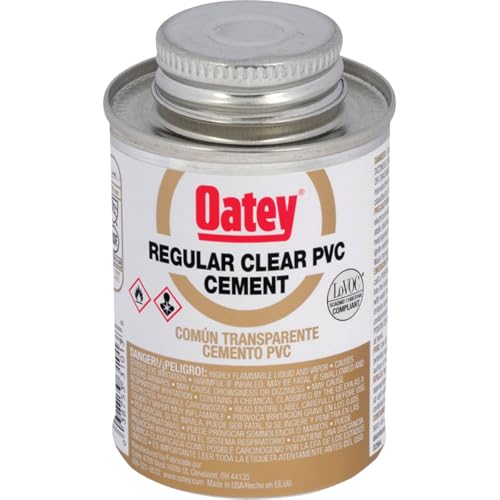
Oatey 4 Oz. Regular Bodied Clear PVC Cement

Oatey 16 Oz. Heavy Bodied Heavy-Duty Clear PVC Cement

Weld-On 15900 Twin Pack 780 PVC Regular-Bodied Plumbing Solvent Cement and Purple Plumbing Primer

30g Plastic Glue Instant Super Glue for Plastic

Vinyl Cement for Inflatables Waterproof Adhesive 4.4 oz.

Weld-On 12498 735 Wet ‘N Fast Medium-Bodied High Strength PVC Cement Blue 1/4 Pint

PVC Cement 4 oz Clear PVC Glue & Vinyl Cement for PVC Pipe Repair
More Details On Our Top Picks
For quick household fixes, this smaller can makes sense because it keeps the same medium-body, fast-set character as the larger Christy’s option without taking much shelf space. The low-VOC formula is a useful touch in a garage or utility room, though fast set times still ask you to work cleanly and have the fit ready before opening the can.
You may find the 4 fl oz size best for one-off jobs, valve work, or a short run of pipe rather than a full remodel. Compared with Oatey’s clear cements later in the list, this one leans more toward speed and convenience than long-session volume.
Strong Points
- Medium body helps it spread with less mess on typical PVC joints.
- Fast set timing suits repairs that need a quick handoff to the next step.
- Low-VOC formulation is a practical plus in enclosed work areas.
- Compact 4 fl oz can fits well in a basic repair kit.
Points To Note
- The smaller fill size can run out quickly on larger plumbing jobs.
- Fast-setting cement leaves less room for slow, second-guessing alignment.
- Storage is simple, though keeping the lid clean matters so the brush area stays usable.
Feature Snapshot
Who It Suits Best
Homeowners and DIYers who want a compact, fast-setting PVC cement for small plumbing repairs will get the most from it.
Where A Sibling Pick Shines
Christy’s Red Hot Blue Glue PVC Cement 1/2 Pint suits you better for repeat jobs, since the larger can is easier to keep on hand for multiple repairs.
This is the version that makes sense once a single repair turns into a couple more. You get the same medium-body, fast-set, low-VOC profile as the smaller Christy’s can, only in a size that feels more comfortable for regular plumbing work.
The trade-off is plain: more product also means more storage space and a little more commitment to using it before it sits too long. For frequent DIY plumbing, that’s a fair exchange, and it pairs neatly against the tiny Oatey 4 oz can below.
What We Like
- 1/2 pint size is easier to keep around for repeat work.
- Medium body helps the cement stay controllable on fittings and joints.
- Fast set timing supports quicker project pacing.
- Low-VOC formula is welcome in tight workspaces.
- Works as a step-up from the 1/4 pint without changing the formula profile.
Small Caveats
- The larger can makes the most sense only when you know you’ll use it often.
- Fast setting still leaves little room for slow adjustments.
- Like most solvent cements, the lid and brush area deserve careful cleanup after each use.
Core Details
Made For
Frequent home repair work, especially for shoppers who keep a plumbing kit ready in the garage or utility shelf.
A Better Fit Elsewhere
Oatey 4 Oz. Regular Bodied Clear PVC Cement is the smarter grab for very small jobs, since the tiny can stays easy to store and avoids excess leftovers.
Small, clear, and simple, this Oatey can looks made for the person who wants the least fuss on a minor PVC repair. The regular body keeps it easier to manage than a heavier formula, and the 4 oz size is handy when a project only needs a little cement rather than a full shelf bottle.
There’s a trade-off in plain sight, though, because a small can disappears fast once you start working on more than a couple of joints. Compared with Christy’s larger 1/2 pint, this one is the tidier choice for tool bags and emergency repairs.
Bright Spots
- Clear cement keeps the finished joint visually unobtrusive.
- Regular body is easier to steer on standard PVC fittings.
- 4 oz size is convenient for small kits and quick fixes.
- Simple format suits light-duty maintenance without extra bulk.
Room For Improvement
- The small container is not the friendliest choice for larger runs of pipe.
- Clear cement helps appearance, but it still needs careful application for a neat joint.
- Source notes country of origin and regional restrictions, so listing details deserve a quick check before you plan a job around it.
At A Glance
Best Suited To
Homeowners handling small plumbing fixes who want a compact, no-frills cement for the toolbox.
Skip It When
Oatey 16 Oz. Heavy Bodied Heavy-Duty Clear PVC Cement fits better for bigger plumbing projects, since the larger can is easier to keep moving through a long install.
The larger Oatey can is the kind of pick you reach for once a project stops looking like a patch job and starts looking like a real install. Heavy-bodied cement usually gives you a bit more substance on the joint, which can feel reassuring on larger or more awkward pipe runs.
That extra body and volume are the point here, but they also make the can less appealing for tiny repairs where a smaller bottle would sit around less. In most garages, this is the version that earns its keep on bulk work rather than occasional fixes.
Upsides
- Heavy-bodied formula is well suited to larger PVC assemblies.
- 16 oz size supports jobs that use more cement per project.
- Clear finish helps the repaired area look less busy.
- Made in the United States, which may matter to some shoppers tracking origin.
Areas To Watch
- The larger can is more than many small repair kits need.
- Heavy-bodied cement can feel like overkill for tiny joints.
- Regional restriction notes mean you should confirm availability details on the listing before planning around it.
Technical Sheet
Whose Shelf It Belongs On
This suits serious home improvers, maintenance crews, and anyone who regularly handles larger PVC runs.
Look Elsewhere When
Christy’s Red Hot Blue Glue PVC Cement 1/4 Pint makes more sense for small, fast repairs, especially when you want less leftover product on the shelf.
Primer plus cement changes the workflow, and that matters on plumbing jobs where surface prep is part of the process. This twin pack is aimed at that kind of work, so you get both the purple primer and the regular-bodied cement in one kit rather than hunting for separate bottles.
That makes it a stronger fit for careful plumbing installs than for a one-off patch under the sink. Compared with the simpler Christy’s and Oatey cements above, this set asks for a little more attention but also gives you a more complete pairing.
Reasons To Buy
- Combines primer and cement in one purchase for a more complete plumbing setup.
- Regular-bodied cement is familiar and manageable on typical PVC joints.
- The twin-pack setup suits jobs that call for both preparation and bonding steps.
- Good match for organized installs where you want the materials together.
Softer Spots
- The two-step approach takes more planning than a single-bottle repair.
- Not the quickest choice for tiny emergency fixes.
- Storage is a little more involved because you’re keeping track of two items instead of one.
Details At A Glance
Built With In Mind
Plumbing projects that follow a prep-and-bond routine, especially for careful DIYers and trades-minded homeowners.
Swap It Out When
Weld-On 12498 735 Wet ‘N Fast Medium-Bodied High Strength PVC Cement suits faster PVC-only work better, since it skips the separate primer step.
This one steps outside pure pipe cement and lands more in the plastics-and-crafts lane. The listing calls out acrylic, model work, DIY projects, and a long list of compatible plastics, so it fits better for small repairs where a thin, instant-setting adhesive is more useful than a solvent cement.
The small tube form is handy for precision work, though it also means you’ll want to use it thoughtfully and store it carefully between jobs. Compared with the pipe-focused cements in the first half of the list, this is more niche, but that niche can be exactly right for hobby work.
Highlights
- Small 30 g size is easy to keep in a craft drawer or repair pouch.
- Useful across several plastics listed by the maker, which broadens everyday utility.
- Instant-style adhesive format supports small, precise repairs.
- Fits model work and DIY craft setups better than bulky plumbing cans.
Honest Caveats
- It is less focused on plumbing joints than the dedicated PVC cements above.
- Small tubes can be used up quickly on repeated repairs.
- The source text includes return-process notes that suggest you’ll want to read the listing details carefully before ordering.
Feature Rundown
The Right Fit
Model makers, crafters, and homeowners handling small plastic fixes in a workbench setting will get the most from it.
Where Shoppers Go Wrong
Christy’s Red Hot Blue Glue PVC Cement 1/2 Pint is the better call for routine pipe repairs, since it’s built more directly around plumbing use.
This is the obvious left-turn in the roundup, but that’s useful because not every repair sits on a rigid pipe run. The listing points it toward pool liners, tarps, hot tubs, air mattresses, and other vinyl surfaces, so it fills the gap where a standard PVC cement would feel too narrow.
The waterproof angle and compact 4.4 oz size make sense for campsite gear, poolside patch kits, or a suitcase repair pouch, though the smaller format means you’ll keep it for targeted work rather than broad use. Compared with Oatey or Weld-On, this is about flexible material repair, not plumbing joints.
Best Bits
- Built around vinyl surfaces, which broadens its usefulness beyond pipe work.
- Compact bottle suits travel kits and home patch boxes.
- Waterproof adhesive profile fits damp-area repair scenarios better than basic craft glue.
- Works for several common inflatable and liner materials named by the maker.
Trade Offs
- It is specialized, so it does not replace a true plumbing cement.
- Small size can limit how many repair jobs you tackle before needing a refill.
- Patch work on flexible material still benefits from patient surface prep and clean storage afterward.
Quick Facts
Who Should Grab It
Households that keep inflatables, liners, or flexible vinyl gear in use will benefit most from this kind of repair adhesive.
Another Choice May Suit
Weld-On 15900 Twin Pack 780 PVC Regular-Bodied Plumbing Solvent Cement and Purple Plumbing Primer suits plumbing projects more directly, especially where rigid PVC pipes are the real focus.
Speed is the whole story here, and the listing makes that plain with its extremely fast set time. It’s a medium-bodied cement for rigid and flexible PVC, so you get a broad use case, including interference-fit jobs up to the listed diameter limits, which matters on tighter schedules where you can’t wait around.
That kind of pace feels like a strong fit for experienced hands and time-sensitive repairs, though it can be less forgiving for anyone who still wants extra adjustment time. Compared with Christy’s fast-set options, this one reads more like the pick for demanding work where the set window really matters.
Plus Points
- Extremely fast set timing supports fast-paced plumbing work.
- Medium-bodied formula gives a useful balance of flow and control.
- Listed for rigid and flexible PVC, which broadens its job range.
- The compact 1/4 pint size stays easy to store in a repair bag.
Minor Gripes
- The rapid set leaves very little room for slow fitting or second guesses.
- Small can size can run short on larger pipe runs.
- Fast-setting cement asks for orderly setup, so the work area needs to be ready before you open it.
Core Details
Perfect Match For
Skilled DIYers and plumbing-minded shoppers who need a very fast-setting cement for planned, orderly installations.
Where A Sibling Pick Shines
Oatey 16 Oz. Heavy Bodied Heavy-Duty Clear PVC Cement is the safer fit for larger projects where extra volume matters more than speed.
The built-in brush cap makes this one feel especially convenient for short repair sessions, since you’re not juggling a separate applicator. The listing also calls it a clear PVC and vinyl cement with fast-dry, waterproof handling, which makes it versatile for plumbing, irrigation, and smaller vinyl fixes around the house.
The 4 oz size keeps it compact, though that also means it’s a better match for routine repairs than for a weekend-long plumbing overhaul. Compared with the other small cans here, it stands out most on convenience and the wide repair label, not sheer volume.
Standout Traits
- Built-in brush cap helps streamline application on quick jobs.
- Clear formula keeps the finished area looking tidy.
- Waterproof and fast-dry positioning fits common repair scenarios.
- Useful across pipe repair, irrigation, and vinyl work.
Worth Noting
- The small bottle is best kept for occasional repairs, not large projects.
- One compact can may not last long in a busy workshop.
- Brush-cap storage helps, though the lid still deserves a careful close after use.
Feature Card
Built For In Mind
Homeowners who want a compact, easy-to-apply repair cement for normal pipe fixes and light vinyl work.
Reach For A Different Pick When
Weld-On 12498 735 Wet ‘N Fast Medium-Bodied PVC Cement Blue 1/4 Pint fits better for speed-focused plumbing, especially when the set window matters more than applicator convenience.
How To Choose The Right Pvc Pipe Glues
Body Thickness And Pipe Fit
PVC cement body thickness matters more than most people expect. Regular-bodied formulas spread more easily on standard joints, medium-bodied options give you a touch more control, and heavy-bodied cement is better suited to larger or more demanding work.
That choice affects how the cement behaves during assembly. A thicker body can stay put on bigger fittings, while a lighter one can feel easier on small repairs where you want a clean, quick coat.
Set Speed And Working Time
Set speed is really about how much time you have to line everything up before the bond firms up. Fast-set formulas suit people who work neatly and want to move on, while slower working windows can be friendlier on large or awkward installations.
For a sink trap or irrigation repair, a very fast set can be useful. For a larger run with several fittings, a little more working time may save frustration.
Can Size And Job Volume
Container size should match the amount of work in front of you. A 4 oz can fits emergency fixes, spare-bin storage, and small household repairs, while 8 oz or 16 oz sizes make more sense for repeated jobs or bigger pipe runs.
That’s the part many shoppers underestimate. Too small, and you run out mid-project, too large, and you end up storing leftover product longer than you planned.
Match The Formula To The Material
Not every adhesive in this roundup serves rigid PVC pipe in the same way. Some are true plumbing solvent cements, some include primer, and a few are really meant for vinyl or small plastic repairs rather than pipe assembly.
That’s why the material callout matters. A vinyl cement belongs with inflatables and liners, while a pipe solvent cement belongs with plumbing joints and irrigation work.
Before You Click Buy
Hidden Buying Traps
A lot of missteps start with choosing by size alone. You can end up with a tiny can that runs dry too soon, or a heavy-duty formula that feels clumsy for a small repair.
The more careful move is to match the body, set speed, and use case to the job. That keeps the product useful instead of just impressive on paper.
The Upgrade Payoff
Higher-tier options usually cost more because they solve more than one part of the job. A twin pack with primer, a fast-set industrial cement, or a larger heavy-bodied formula gives you better workflow control and more capacity.
That upgrade makes sense for frequent plumbing work, larger pipe runs, or planned installs where convenience matters. For a simple patch, the extra spend often brings features you won’t fully use.
Frequently Asked Questions
What body type works best for regular PVC repairs?
Regular-bodied cement suits many common household joints because it stays workable without feeling too thin. Medium-bodied formulas are a good step up when you want a little more control.
Do you need primer with every PVC cement?
Not every project uses primer, but some plumbing setups are built around that two-step routine. A twin pack with primer makes sense when you want both materials together.
Is clear cement better than blue cement?
Clear cement can look tidier after the joint cures, especially on exposed work. Blue cement is often chosen for visibility during application, which some people prefer.
Can vinyl cement replace PVC pipe glue?
Vinyl cement serves a different job, mainly flexible materials like liners, tarps, and inflatables. It should not stand in for a true pipe solvent cement on rigid plumbing joints.
How much cement should a small repair kit hold?
A compact 4 oz can usually suits quick repairs and occasional household fixes. For repeat plumbing work, a larger can is easier to live with.
Closing Thoughts
You get the best results here by matching the cement to the job, not by chasing the biggest container or the fastest label. Small cans help with occasional fixes, larger jars suit regular plumbing work, and the primer-plus-cement set earns its place when you want a more complete workflow. Vinyl repair belongs in its own lane, and that separation matters. Pick the format that fits your project, and the rest gets a lot easier.