You want a sander that leaves a smoother surface without turning the job into a wrestling match. That matters whether you’re shaping trim in a garage, finishing a tabletop, or handling long sanding sessions in a body shop, because the wrong grip, motor style, or pad size slows everything down.
This roundup focuses on air-powered and cordless palm sanders with different strengths, so you can match the tool to your space, your power source, and the finish you’re chasing. Some are compact and simple, others are built for longer sessions with better control.
Quick Look At The Shortlist

Dynabrade Dynorbital-Spirit 5″ Random Orbital Sander
PROSHI 6″ Random Orbit Air Sanders

Gedu Professional Air Random Orbital Palm Sander 6 Inch

Gedu Professional Air Random Orbital Palm Sander

ONEAND 18V Cordless 5 in. Random Orbit Sander

Autolock 5 Inches Air Random Orbital Sander
NARBELL Orbital Sander 3.0AMP 5″ Electric Palm Sander

Metabo HPT 5-Inch Random Orbit Finishing Sander SV13YST
More Details On Our Top Picks
For finish work that needs a controlled touch, this Dynabrade model sits in the pro lane rather than the casual weekend lane. The 5-inch pad size, 3/16-inch orbit, and 12,000 RPM pneumatic motor point to a tool made for smooth results and steady handling.
That smaller orbit usually helps keep sanding marks subtle, which is handy on painted surfaces, furniture edges, or bodywork prep. You do give up cordless freedom and dust-vacuum integration here, so the fit is strongest in shops already set up for air tools.
Strong Points
- 3/16-inch orbit supports finer surface work.
- 12,000 RPM gives it a lively sanding feel.
- 5-inch pad stays manageable in tight spots.
- Pneumatic drive suits shop compressors and long sessions.
Points To Note
- You need compressed air, so it’s not a plug-and-go pick.
- Non-vacuum design means dust control depends on your setup.
- The pro-style format can feel unnecessary for light home use.
Feature Card
Who It Suits Best
Experienced users who already run air tools in a garage, cabinet shop, or body-work space will get the most from it.
Where A Sibling Pick Shines
Metabo HPT SV13YST fits better for you if you want a corded electric sander with built-in dust hose support and a more everyday setup.
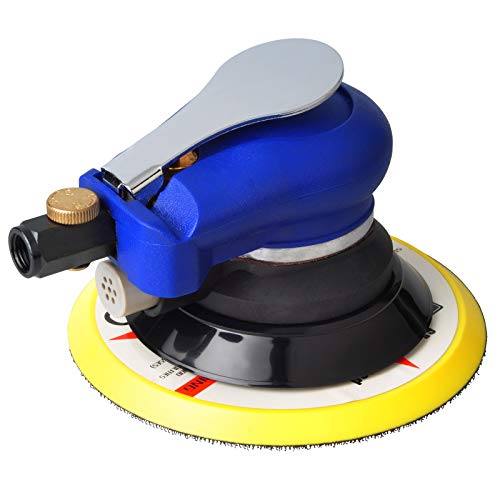
PROSHI keeps things straightforward with a 6-inch air-sanding format and a hook-and-loop face, which means you can swap abrasives quickly without a fussy setup. That larger pad works well for broader panels, shelves, or door faces where coverage matters more than tiny detail control.
The trade-off is simple: air tools like this depend on your compressor and hose, so they suit a fixed workspace better than a mobile kit. Compared with the Dynabrade pick above, this one leans more toward basic coverage than fine-grain control.
What We Like
- 6-inch pad covers wider areas with fewer passes.
- Hook-and-loop backing makes abrasive changes simple.
- Air-powered design fits garage and shop use.
Room For Improvement
- You need a compressor and air line to run it.
- Large-pad sanding can feel less nimble on corners.
- The listing leaves out a lot of setup detail.
Core Details
Made For
Home garages, small repair bays, and sanding jobs on flatter surfaces are where this format makes the most sense.
Another Choice May Suit
Dynabrade Dynorbital-Spirit 5″ fits better for you if you want finer orbit control and a more refined feel for finish-sensitive work.
This Gedu sander sits in the same air-tool lane as the PROSHI, but the “heavy duty” framing and dual-action layout make it feel better suited to longer, more repetitive sanding tasks. In a body shop or restoration garage, that kind of setup can matter more than a flashy spec sheet.
The low-vibration note is worth paying attention to, because less hand buzz usually helps on longer sessions and on panels that need a steadier touch. The honest read is that this still belongs with compressed-air setups, so it’s strongest for shops that already have the rest of the system in place.
Highlights
- Dual-action motion supports a smoother finish path.
- Low-vibration design should feel easier over longer use.
- 6-inch format covers broad surfaces efficiently.
- Air-driven setup suits production-style sanding jobs.
Small Caveats
- It still depends on compressor access.
- The bigger body may feel less nimble in tight trim work.
- Setup and hose management are part of ownership.
Details At A Glance
Best Suited To
You’ll get the most from this in a garage or shop where the work is frequent and the compressor is already part of the routine.
Look Elsewhere When
NARBELL Orbital Sander SV13YST suits you better if you want electric power, variable speed, and a dust bag for lighter home setups.
Compared with the 6-inch Gedu above, this version looks like the simpler sibling, which can suit you well if you want a no-frills air sander for routine work. Dual action and low-vibration design still point toward smoother handling, especially on repeated passes.
For general sanding in a shop setting, that plain approach has value. The trade-off is that you’re not getting extra accessory detail or a broader feature list, so it fits best where straightforward function matters more than bells and whistles.
Reasons To Buy
- Dual-action motion supports an even sanding pattern.
- Low-vibration build should feel friendlier on the hand.
- Simple air-tool format keeps the learning curve modest.
Areas To Watch
- Air supply is still required.
- Missing extras mean you may need to supply more of the setup yourself.
Quick Facts
The Right Fit
Workshop regulars who want a simple air sander for panels, cabinets, or prep work will find the format easy to live with.
A Better Fit Elsewhere
Metabo HPT SV13YST suits you better if you want a compact electric sander with a hose connector and more control over dust handling.
Portability is the whole point here, and that makes this RYOBI tool a different kind of choice from the air-powered picks above. You get a 5-inch random-orbit format without a hose in the way, which is handy for porch repairs, driveway work, or jobs that move around the house.
The catch is obvious: it’s tool only, so you need to already own the matching battery system and charger. That makes it a smart add-on for current platform users, while new shoppers may find the total setup less convenient than a corded sander.
Upsides
- Cordless design keeps movement easy.
- 5-inch pad works for common sanding tasks.
- Tool-only format can make sense for existing platform users.
Honest Caveats
- Battery and charger are separate purchases.
- Runtime depends on the battery you already own.
- Not as continuous as a corded or pneumatic setup.
Spec Overview
Who Will Love This
Current RYOBI users, especially those handling quick repair jobs or outdoor projects, are the natural match.
Swap It Out When
NARBELL SV13YST is the better fit if you want a corded kit with a dust bag and sanding discs already in the box.
This Autolock sander is aimed at people who want one air tool that can move between wood, metal, and auto-body prep without much ceremony. The 5-inch size keeps it familiar, and the dual-action pneumatic layout makes it a sensible middle ground for mixed workshop tasks.
Because it’s air powered, the trade-off is the same as the other pneumatic picks, you need compressor support and a place to manage hoses. Still, for sanding shelves one day and smoothing metal the next, that sort of flexibility can be more useful than a crowded accessory list.
Bright Spots
- Works across wood, metal, and auto prep tasks.
- 5-inch format keeps handling familiar.
- Dual-action motion supports smoother finishing work.
- Single-tool simplicity is appealing in a mixed-use shop.
Worth Noting
- Compressed air is required.
- Hose management matters in smaller work areas.
- The listing keeps the detail set fairly light.
Feature Rundown
Built With In Mind
You’ll like this most in a garage that handles both woodworking and light auto work.
Where A Sibling Pick Shines
Dynabrade Dynorbital-Spirit 5″ is a better match if you want a more refined pro feel and a smaller orbit for finish-sensitive work.
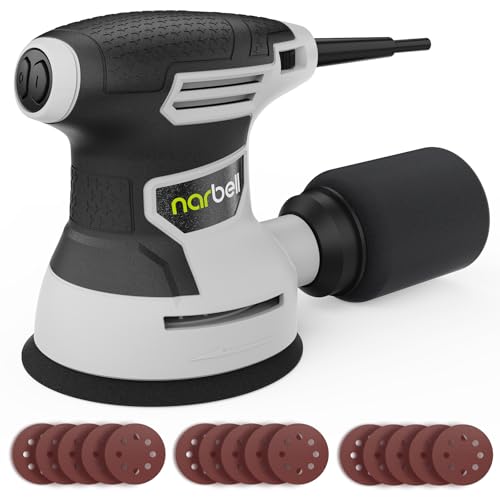
The NARBELL feels more like a starter kit for electric sanding than a bare tool, which can save time when you want to get to work fast. You get 6 speed settings, a 3.0 amp motor rated at 360 watts, a dust bag, and 15 sanding sheets, so the package covers a lot of ground for DIY use.
That said, the extra included pieces are most useful if you want a ready-to-go home setup, not a stripped-down pro tool. Compared with the cordless RYOBI above, this one trades mobility for a fuller accessory bundle and a straightforward plug-in routine.
Best Bits
- Six speed levels help you match the task.
- Dust bag adds a more contained sanding setup.
- Included sanding sheets reduce the need to source extras immediately.
- 5-inch palm format feels familiar in home shops.
Minor Gripes
- The package is more home-project focused than pro-centered.
- Corded use keeps you near an outlet.
- Accessory bundles can be less important if you already own abrasives.
Core Details
The Right Fit
DIYers who want a corded home sander with a complete starter bundle will find this easy to live with.
Look Elsewhere When
Metabo HPT SV13YST suits you better if you want a lighter-feeling finishing sander with a hose connector and a more refined grip.
This Metabo HPT model closes the list with the most balanced everyday setup among the electric picks. The palm-style comfort grip, 230W 2.8 amp motor, variable speed range from 9,000 to 13,000 RPM, and dust collection hose connector make it feel practical for finishing work in a home shop.
It is also compact and lightweight, which matters when you’re sanding cabinet doors or trim pieces for more than a quick pass. Compared with NARBELL’s more accessory-heavy package, this one leans into cleaner control and a more purpose-built finish tool feel.
What We Like
- Palm-style grip helps with comfort during longer sanding sessions.
- Variable speed gives you more control over finish work.
- Dust hose connector supports a tidier setup.
- Compact build is easier to handle overhead or on edges.
Things To Consider
- The design focuses on finishing more than aggressive stock removal.
- Dust collection depends on how you connect the hose.
- Electric cord limits mobility compared with cordless options.
Quick Facts
Whose Shelf It Belongs On
Home woodworkers and finish-focused DIYers who want a compact corded sander with clear control will appreciate this one most.
Not Your Match When
RYOBI ONEAND 18V fits better if you already own that battery platform and want a cordless path for outdoor or moving jobs.
How To Choose The Right Random Orbital Palm Sanders
Pad Size And Orbit Matter More Than Fluff
A 5-inch pad usually feels easier to steer around trim, cabinet edges, and smaller panels, while a 6-inch pad covers larger flat areas with fewer passes. Orbit size is the little circular movement under the pad, and a smaller orbit tends to suit finer finishing while a broader one leans more toward faster material removal.
You can think of pad size as reach and orbit as character. Matching those two to the job matters more than chasing extra wording on the box.
Choose Your Power Source Around The Work Site
Pneumatic sanders need compressed air, so they belong in garages, body shops, and workshops that already have the compressor and hose setup. Corded electric models make more sense for home shops, especially when you want steady runtime without worrying about batteries.
Cordless sanders are the most flexible for moving around a property or working far from an outlet. The trade-off is battery dependence, so the platform you already own can matter as much as the sander itself.
Comfort, Dust Handling, And Speed Control Shape Daily Use
Palm-style grips help during longer sanding sessions, especially on doors or cabinet faces where you keep the tool in your hand for a while. Dust collection connectors and bags also matter, because a tidier workspace makes it easier to see the surface and clean up afterward.
Variable speed is useful when a single tool needs to handle light finishing and more assertive sanding. That flexibility is handy for DIYers, but it’s not always essential on simple rough prep jobs.
Things Worth Knowing First
Common Shopping Slip Ups
One common mistake is treating all random orbital sanders like they serve the same job. A 6-inch air tool and a compact electric finisher may both sand wood, but they behave very differently in the hand.
Another miss is overlooking the whole setup around the tool. Air-powered models need a compressor, while cordless models may ask you to already own a matching battery system.
The Upgrade Payoff
Higher-tier models often spend more on comfort, control, and better finish behavior. That can show up as smoother grip shape, steadier speed control, more thoughtful dust handling, or a more refined motor feel.
For frequent shop work, those details save energy and reduce frustration over time. For occasional weekend sanding, a simpler model may be enough and easier to justify.
Frequently Asked Questions
What size random orbital palm sander works best for most home projects?
A 5-inch model is usually the easiest starting point for general home use. It handles trim, shelves, and cabinets without feeling too bulky.
Do air sanders need a lot of extra setup?
Yes, they need a compressor and a hose, so they fit better in a fixed workspace. That setup pays off in shop-style jobs where runtime and consistency matter more than portability.
Is cordless sanding worth it for small jobs?
Cordless sanding makes sense when you want movement without cords or hoses getting in the way. It works especially well for quick repairs around the house or outside work.
Why does variable speed matter?
Variable speed helps you slow the tool down for more careful finishing or speed it up for tougher sanding. That control makes one sander useful across more surfaces.
What should you look for in a more comfortable sander?
Look at grip shape, vibration level, weight, and how the dust is handled. Those details shape how tiring the tool feels after a longer session.
Closing Thoughts
The right random orbital palm sander depends less on hype and more on the kind of work sitting in front of you. A shop with compressed air points you toward Dynabrade, PROSHI, Gedu, or Autolock, while home projects often fit better with NARBELL, Metabo HPT, or the cordless RYOBI. Focus on pad size, power source, and comfort first, then let the accessory bundle or motor detail narrow the field. Once those basics line up, the rest gets much easier.