Small sanding jobs ask for control more than raw muscle, and that’s where the right tool matters. You may be smoothing drawer fronts, trimming craft edges, or cleaning up a wobbly patch on furniture, so size, grip shape, and dust handling all change the feel of the work. This roundup focuses on compact sanders that suit detail work, small workshops, and home repairs without turning the task into a chore.
You’ll see corded and cordless options here, plus hand sanding kits for spots where a powered pad is too much. A few picks are better for car detailing or broad flat surfaces, while others shine in corners, trim, and delicate projects.
The Shortlist At A Glance
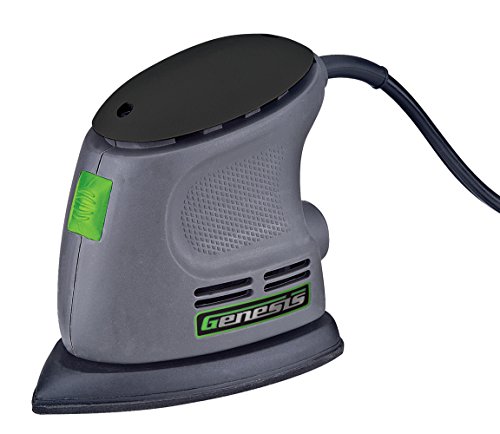
Genesis Detail Palm Sander GPS080

lvanji 90PCS Micro Detail Sander Kit

Niusken Cordless Car Buffer Polisher Kit

MAXXT Electric 5mm Random Orbital Sander

BLACK+DECKER 20V MAX Mouse Sander BDCMS20B

DCK Random Orbital Sander KSA125
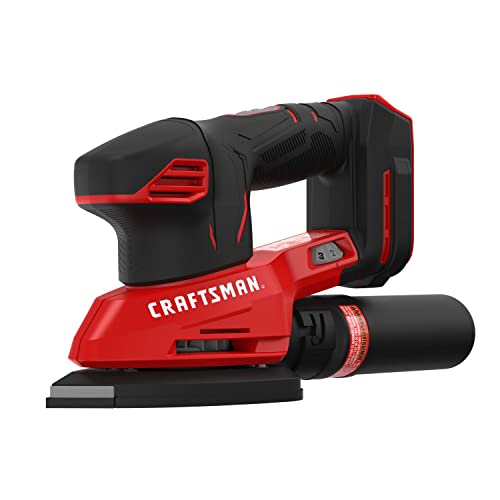
CRAFTSMAN 20V MAX Cordless Detail Sander CMCW221B

More Details On Our Top Picks
The Genesis GPS080 leans into simple control, which suits trim, shelves, and the kind of weekend repair job that needs a steadier hand than a large orbital unit. The palm grip gives you a compact hold, and the hook-and-loop pad system makes paper changes feel straightforward.
The vacuum port is the useful bit here, especially in a garage or small workshop where dust tends to spread fast. The dust-proof power switch adds a bit of practical peace of mind, though the overall format still favors light-duty finesse over broad surface coverage.
Strong Points
- Palm-style grip keeps control easy in tight spots.
- Vacuum port helps manage mess during indoor sanding.
- Hook-and-loop backing speeds up paper swaps.
- Compact shape fits small repair tasks well.
Small Caveats
- Better suited to detail work than larger panels.
- Dust control still depends on your setup.
- Finish prep may take longer on wider boards.
Feature Rundown
Who It Suits Best
Home repair shoppers who want a compact corded sander for edges, corners, and light finishing work will get the most from it.
A Better Fit Elsewhere
MAXXT Electric 5mm Random Orbital Sander suits larger woodworking projects better, especially where more surface coverage matters.
This lvanji kit is aimed at careful hand sanding, where a powered tool would feel too blunt. The 3-in-1 sanding block format makes more sense for small toys, hobby builds, and woodcraft edges that need patience more than speed.
The grit range from 60 through 400 gives you a useful spread, from shaping to finer smoothing. The trade-off is obvious, though, hand sanding takes time, so this set rewards slow, controlled work rather than fast material removal.
What We Like
- Hand sanding block format gives precise control.
- Wide grit range supports rough and fine stages.
- Well suited to narrow gaps and small pieces.
- Helpful for hobby tables, crafts, and touch-up work.
- Easy to store in a small toolbox.
Worth Noting
- Manual sanding is slower than powered options.
- Paper wear depends heavily on your pressure and material.
- Less helpful for large flat panels.
Details At A Glance
Who Should Grab It
Craft hobbyists, model makers, and small-project woodworkers who prefer hand control over powered sanding will appreciate it.
Swap It Out When
BLACK+DECKER 20V MAX Mouse Sander BDCMS20B suits you better for quick corner cleanup on furniture and trim.
Car detailers usually want reach, runtime, and control, and this cordless random-orbital polisher is built around that workflow. The dual 21V batteries reduce interruptions, while the six-speed setup and LED display give you more control over the pace of polishing.
The 18-piece pad set is handy for adapting to different paint and finishing tasks, though the larger kit also means more pieces to keep track of in a garage or trunk bag. It sits apart from the hand-focused lvanji kit by being much more suited to vehicle surfaces than tiny craft parts.
Reasons To Buy
- Two batteries help keep work moving.
- Six speed settings add useful control.
- LED display makes the setting easier to read.
- Random orbital action suits smoother car finishing.
- Includes many pads for different detailing stages.
Points To Note
- More parts mean more storage to manage.
- Best suited to vehicle work, not small trim repairs.
- Polishing pads need regular cleaning to stay consistent.
Core Details
Perfect Match For
Car owners and detailing hobbyists who want a cordless polisher with more flexibility than a basic hand tool will like this setup.
Where A Sibling Pick Shines
MAXXT Electric 5mm Random Orbital Sander makes more sense for woodworking benches and cabinet prep.
Compared with the cordless Niusken polisher, this MAXXT model is the steadier workshop choice for corded sanding. The brushless motor, meaning the motor uses electronic control instead of brushes that wear faster, is a useful sign for longer service intervals and smoother power delivery in everyday woodworking.
The 5mm orbit is the detail worth noting, because orbit size affects how aggressively a random orbital sander moves across the surface. For furniture prep, shelf sanding, and cabinet work, that moderate orbit usually feels more controlled than a larger, rougher machine.
Highlights
- Brushless motor suits regular workshop use.
- Variable speed helps match the surface and grit.
- 6-inch pad covers more ground per pass.
- Includes 10 sanding papers to get started.
- Good fit for furniture and woodworking prep.
Areas To Watch
- Corded use keeps you tied to an outlet.
- Larger pad can feel bulky in very tight spaces.
- Paper and pad wear depend on surface quality.
Feature Snapshot
Best Suited To
Woodworkers and furniture refinishers who want a corded random orbital sander with a broader pad will get solid value here.
Look Elsewhere When
Genesis Detail Palm Sander GPS080 is the better fit for very small repair areas and lower-profile touch-ups.
The mouse-style shape is the point here, and it pays off in trim, cabinet corners, and awkward edges where larger pads feel clumsy. Its compact, ergonomic form gives you better control in narrow spaces, which is exactly where many small sanding jobs slow down.
Because it is tool only, you’ll want to think about your battery setup before you commit. That trade-off makes it less immediate than plug-in picks, but it also keeps the tool light and easier to move around a room.
Best Bits
- Mouse shape reaches corners well.
- Compact body supports fine control.
- Good fit for trim and edge cleanup.
- Tool-only format keeps the unit lighter.
Minor Gripes
- Battery and charger are not included.
- Small pad means slower work on larger panels.
- Dust cleanup still matters on enclosed projects.
At A Glance
Whose Shelf It Belongs On
Detail-focused DIYers who already use a compatible 20V tool platform will get the most out of this compact sander.
Reach For A Different Pick When
DCK Random Orbital Sander KSA125 suits broader sanding tasks and gives you more speed settings for general woodworking.
For general woodworking, the DCK KSA125 sits in a sensible middle ground. The 3.0 amp corded motor and 5-inch pad suggest a tool that can handle common prep jobs without feeling oversized, and the lower-vibration design should matter most during longer sanding sessions.
The 6-speed range and 12,000 OPM ceiling, where OPM means orbits per minute, give you enough flexibility for furniture, decoration work, and finishing chores. It’s not as nimble as a mouse sander in corners, but it covers more surface area than the BLACK+DECKER detail shape.
Upsides
- Six speeds help you match task and material.
- 5-inch pad offers a practical work area.
- Dust bag adds a cleaner sanding setup.
- Lower vibration supports steadier control.
- Useful for furniture and décor projects.
Trade Offs
- Corded design keeps you near an outlet.
- Not the smallest option for tight corners.
- Dust bag still needs regular emptying.
Technical Sheet
The Right Fit
Home woodworkers who want a corded palm sander with a balanced feature set should feel comfortable with this one.
Not Your Match When
CRAFTSMAN 20V MAX Cordless Detail Sander CMCW221B is the better call for portable trim work away from the outlet.
The CRAFTSMAN detail sander fits the kind of tasks where cords get in the way, especially small room projects and repair work on stairs or built-ins. Its cordless format keeps the movement easy, and the compact head is shaped for close work around edges and awkward profiles.
Like the BLACK+DECKER mouse sander, this one makes sense for shoppers already tied to a battery platform. The honest trade-off is that the tool-only setup keeps the purchase lean, but it also means you need to own the right battery system first.
Bright Spots
- Cordless setup improves mobility.
- Compact size helps around trim and corners.
- Good fit for quick household touch-ups.
- Tool-only approach keeps the package simple.
Softer Spots
- Battery and charger are not part of the package.
- Detail format is slower on broad surfaces.
- Storage is easier, but accessories still matter.
Core Details
Built With In Mind
Platform users who want a cordless sander for detail work, light repairs, and portable use will find the fit natural.
Another Choice May Suit
Genesis Detail Palm Sander GPS080 suits anyone who wants a corded model with built-in dust-port support.
The pen-style shape makes this Bucasso model feel more like a precision tool than a general sander. For model work, craft finishing, and small polishing jobs, that narrow grip can be easier to guide than a chunkier palm body.
USB charging and the built-in LED light give it a modern, workshop-friendly feel, although the real strength stays in close control rather than broad coverage. You may find it most useful beside a larger sander, not as the only tool in your kit.
Best Bits
- Pen shape supports detailed hand control.
- LED light helps in dim work areas.
- USB charging is convenient for small-tool routines.
- Good for finishing, polishing, and craft tasks.
Room For Improvement
- Not built for large sanding surfaces.
- Accessory management matters in small tool drawers.
- Detail use can mean slower progress.
Feature Card
Who Will Love This
Model builders, craft hobbyists, and anyone doing small finishing work in tight spaces will appreciate the slim grip.
Where Shoppers Go Wrong
MAXXT Electric 5mm Random Orbital Sander is the more sensible choice for larger woodworking jobs and flatter panels.
How To Choose The Right Small Sanders
Match The Tool To The Job
Detail sanders, mouse sanders, random orbital models, and hand sanding kits all solve different problems. Corners, trim, and furniture edges usually benefit from a compact head, while tabletops and cabinet fronts are easier with a wider pad.
The right choice depends on how much surface you need to cover and how much control you want. A tool that feels nimble in your hand can save time in awkward spots, even if it moves more slowly on broad boards.
Think About Power And Mobility
Corded models suit a bench, garage, or dedicated shop because they keep power steady. Cordless picks make more sense for stair rails, quick household fixes, and work areas where outlets sit far away.
Battery systems also matter. Tool-only models can be smart for shoppers already using the same platform, while first-time cordless shoppers may need to factor in the full setup, not just the bare tool.
Don’t Ignore Dust And Grip
Dust ports and dust bags are not glamorous, but they change the daily experience a lot. Less dust around the work area means clearer sight lines, less cleanup, and less grit settling into fresh finish.
Grip shape matters just as much. Palm grips suit broader control, mouse shapes reach corners, and pen-style tools help on tiny details, almost like choosing the right pen for a sketch instead of a marker.
A Quick Reality Check
Mistakes Worth Dodging
Shoppers often pick a sander that looks flexible on paper but feels awkward in the space they actually work in. A wide pad sounds useful until you try to sand cabinet trim or inside a small frame.
Another common miss is ignoring replacement paper format and dust cleanup. A simple storage bin, a matching paper pack, and a place for spent abrasives make ownership easier.
What The Higher Tier Buys
Higher-priced models usually bring better motor control, sturdier housings, more speed settings, or lower vibration. Those extras matter most during longer sessions or on surfaces where a rough start can leave marks.
That upgrade is worth it for frequent DIY work, furniture refinishing, or car detailing. For a few small repairs a year, a simpler pick often makes more sense.
Frequently Asked Questions
What size sander works best for small trim?
A compact detail sander or mouse sander usually fits trim best. The smaller pad helps you stay controlled near edges.
Are cordless small sanders strong enough?
For light repairs and portable tasks, cordless models usually handle the job well. A corded pick still makes more sense for longer sanding sessions.
Do I need a dust bag or vacuum port?
Both help keep the work area cleaner and improve visibility. A vacuum port is especially useful in enclosed rooms or a small shop.
What grit range should you look for?
A broader grit range gives you more flexibility from shaping to finishing. Kits that include coarse and finer sheets save you from hunting for extras right away.
Which small sander is best for beginners?
A compact palm sander with simple controls is usually the easiest starting point. The Genesis Detail Palm Sander GPS080 and DCK KSA125 both fit that kind of use well.
Closing Thoughts
Small sanding jobs go smoother when the tool matches the space, not just the surface. A compact palm sander handles everyday repairs, a mouse-shaped model earns its keep in corners, and a cordless detail tool helps when you need to move around the house or garage. The best choice is the one that feels natural in your hand and practical in your workshop. Pick for the work you actually do, and the rest tends to fall into place.