You want snips that match the task, not just the label. Some jobs call for clean aviation cuts through sheet metal, while others need tidy thread trims, cable work, or precise flush cutting around electronics and jewelry.
This roundup keeps those use cases separate so you can match blade shape, handle comfort, and cut style to your day-to-day work. The right pair feels natural in hand and saves you from fighting the tool on every cut.
The Shortlist At A Glance
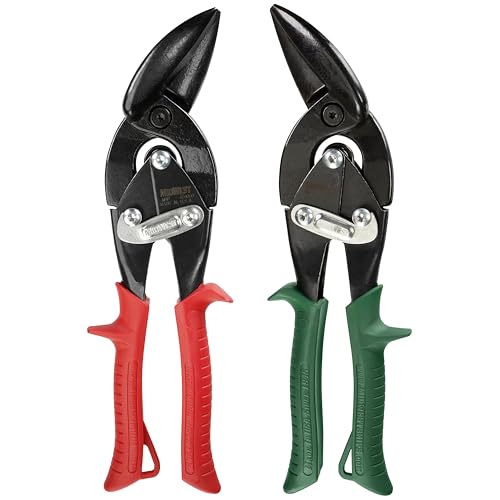
Midwest Blackout Aviation Snip MWT-6510CO-NP


Jonard Tools ES-1964ERG Electrician Scissors

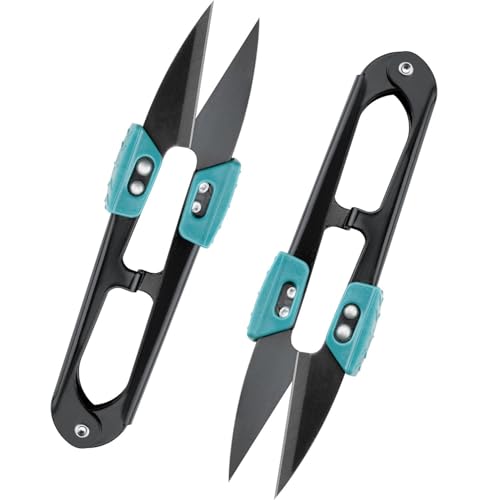
Damita 4.2 inch Sewing Scissors
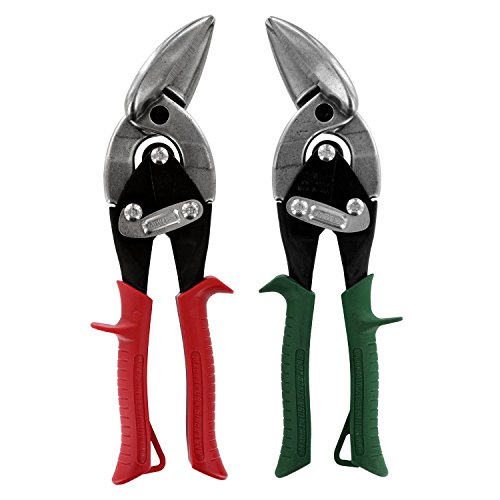
Midwest Tools and Cutlery MWT-6510C Offset Aviation Snips

Midwest Blackout Aviation Snip MWT-6510LO
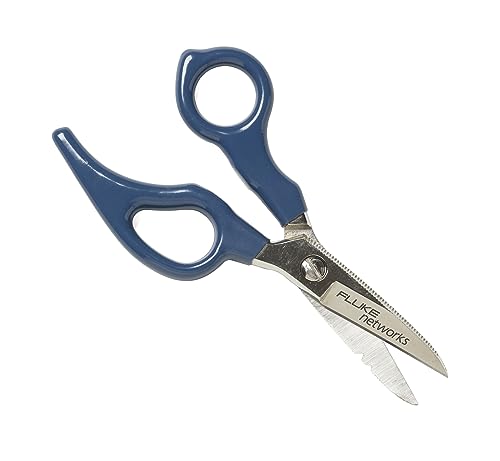
Fluke Networks 44300000 D-Snip Cable Scissors

Midwest Special Hardness Aviation Snip MWT-SS6510C
More Details On Our Top Picks
The Midwest Blackout pair makes sense for sheet metal work that needs both left and right offset control. That offset shape keeps your hand out of the cut path, which matters in long trim runs and tighter corners.
You also get the Kush’N-Power grip, a padded handle style that helps the tool feel steadier during repeated cuts. Compared with the more niche CZZXI thread snips, this set is built for heavier shop use and gives you a broader reach in metal tasks.
Strong Points
- Left and right offset tools cover more trim directions.
- Pinch-thru-point cutting reaches cleanly toward the blade tip.
- The grip style helps ease hand strain during repeated use.
- Made in USA construction gives it a shop-grade feel.
- Well suited to long sheet-metal runs and finish work.
Things To Consider
- The set is better suited to metal than delicate craft trims.
- Offset snips take a little getting used to in cramped tool bags.
- Like most hand snips, keeping the pivot clean helps the action stay smooth.
Feature Snapshot
Who It Suits Best
You get the most from this set in light fabrication, HVAC trim, and other metal shop jobs where offset blades save effort.
A Better Fit Elsewhere
Midwest Tools and Cutlery MWT-6510C suits someone who wants a forged-blade pair and a more traditional feel for regular metal cutting.
These thread snips are built for small, frequent cuts, the kind you make while sewing at a machine or cleaning up loose ends in a craft room. The spring action opens the blade after each cut, so your hand does less work during repetitive trimming.
That makes the CZZXI set feel especially handy for quilters, knitters, and jewelry hobby work, where control matters more than reach. Compared with the Midwest aviation picks, this one stays compact and much more task-specific, which is exactly the point.
What We Like
- Spring opening keeps the cutting rhythm moving.
- High-carbon steel suits frequent light-duty trimming.
- Three-piece set gives you backups or shared placement around a workspace.
- Small 4.25-inch size fits easily beside sewing gear.
- Useful for thread, yarn, and other fine materials.
Minor Gripes
- The short body is not meant for larger material or broad cuts.
- Craft tools like this need occasional wipe-downs to keep pivot motion smooth.
- The smaller handle can feel cramped during long sessions for larger hands.
Details At A Glance
Whose Shelf It Belongs On
You’ll like this most in a sewing room, a quilting station, or a small project kit where tiny cuts happen all day.
Swap It Out When
Damita 4.2 inch Sewing Scissors suit you better when a wider handle matters more than a three-piece set.
Electrician scissors sit in a useful middle ground, and this Jonard pair leans into that role with stainless steel blades and a handle shaped for demanding use. In a service bag, that kind of build matters because you want a tool that feels steady while cutting cable jackets, wrap, or light shop material.
The honest read is that this option favors utility over flair. Compared with the slimmer Fluke cable scissors, the Jonard model reads as a broader heavy-duty scissor for trade work, so it suits someone who wants more all-around toughness.
Upsides
- Stainless steel construction gives it a durable, work-ready feel.
- The ergonomic handle helps on longer cutting sessions.
- Good fit for trade bags and bench drawers.
- Useful for heavier cutting chores beyond basic craft use.
Worth Noting
- The heavier-duty shape may feel oversized for tiny detail jobs.
- Trade tools like this need a clean, dry storage spot to stay easy to open and close.
Core Details
Built With In Mind
You’ll get the most from this in electrical work, maintenance kits, and general shop use where a tougher scissor belongs on hand.
Another Choice May Suit
Fluke Networks 44300000 D-Snip Cable Scissors fit you better for cable-specific work where a more specialized tool makes sense.
Flush cutters are for neat finish work, and this 5-inch LBOKLING pair leans into precision more than brute force. The long edge and spring-loaded action make it a useful fit for jewelry, small electronics, zip ties, and other tasks where you want a clean end rather than a rough bend.
Compared with the Jonard scissors, this is the smaller specialist in the group, almost like a scalpel for wire ends. You may find the compact body a little narrow for larger hands, but that same size helps in tight benches and crowded craft mats.
Bright Spots
- Compact body is easy to store and carry.
- Spring loading helps during repeated trimming.
- The flush edge suits tidy ends on wire, ties, and small parts.
- Two-pack format gives you a spare tool or a second work spot.
- Useful across jewelry, model work, and light electronics.
Areas To Watch
- Flush cutters are not the right shape for heavy stock.
- Cutting edges should stay clean to help preserve a crisp finish.
- Small handles can feel tight on long sessions.
Technical Sheet
Perfect Match For
You’ll appreciate this most at a jewelry bench, on a model build, or beside electronics work where neat wire ends matter.
Where A Sibling Pick Shines
CZZXI 3PCS Thread Snips make more sense for fabric and yarn work, especially in a sewing kit.
The wider handle is the story here, and that matters more than it might sound. In sewing, quilting, or simple DIY trim work, a little extra handle room can make the tool feel easier to hold through a long session.
Compared with the CZZXI three-pack, Damita leans less into quantity and more into hand comfort. That trade-off makes sense for anyone who prefers one dependable pair on the table instead of rotating between several tiny tools.
Best Bits
- Wider handle shape supports a more relaxed grip.
- Compact 4.2-inch size stays easy to reach for.
- Two-pack layout gives you one for the machine and one for the kit.
- Good match for sewing rooms and quilting stations.
Small Caveats
- Short sewing scissors are still meant for fine trims, not heavier cutting.
- Like many textile tools, they’ll stay smoother with occasional blade cleaning.
Feature Rundown
Right Fit For
You’ll like this most for home sewing, quilting, and stitch cleanup where comfort matters as much as compact size.
Look Elsewhere When
Midwest Blackout Aviation Snip MWT-6510CO-NP is the better route for metal trim and jobsite cutting.
This offset pair is for someone who cuts metal often enough to care about blade feel. The forged blade construction hints at a sturdier work profile, and the offset shape helps keep your hand higher above the material during long trim passes.
Where the Blackout pair adds handle comfort and styling, this set keeps the focus on cut behavior. The pinch-thru-point design matters because it helps the blade travel farther toward the tip, which can mean fewer passes in trim work.
Positives
- Forged blade build suits frequent shop use.
- Offset form helps in long and curved cuts.
- Pinch-thru-point cutting supports more complete tip engagement.
- Pack of two gives you both left and right offset coverage.
Points To Note
- Offset aviation snips reward a little familiarity before they feel natural.
- The set is best kept clean and lightly oiled at the pivot for smoother action.
- It’s a metal-cutting tool first, so delicate craft work is not the sweet spot.
Quick Facts
Best Suited To
You’ll get the most out of this set in HVAC, duct trim, and general sheet metal jobs.
Another Choice May Suit
Midwest Blackout Aviation Snip MWT-6510CO-NP is a better fit for someone who wants the same cut style with a more comfort-focused grip.
Left-cut offset snips serve a very specific purpose, and that specificity is why this model earns attention. They’re meant for straight cuts and tight left curves, so you can steer the cut line more naturally without fighting the blade path.
In a shop or on a jobsite, that kind of directional control is useful for long trim runs and finish work. Compared with the two-piece offset sets above, this is the single-direction specialist, which makes sense for someone who already knows the kind of cuts they make most often.
Reasons To Buy
- Left-cut geometry helps with curved and straight trim.
- Offset layout keeps your hand clear of the work surface.
- Useful for long cuts where control matters.
- Comfort grip supports repeated use.
Room For Improvement
- The single-direction layout is specialized, so it won’t cover every cut path.
- Directional snips take up a bit more thought in storage and selection.
- As with most metal snips, keeping the pivot clean helps preserve smooth motion.
Feature Card
Who Will Love This
You’ll appreciate this most in metal trimming, roofing work, and curved cuts where a left-hand arc shows up often.
Where A Sibling Pick Shines
Midwest Special Hardness Aviation Snip MWT-SS6510C suits you better when you want both left and right offset coverage in one set.
This is the cable specialist in the group, and that focus makes sense for network racks, field installs, and tidy cable dressing. The forged steel construction suggests a sturdy tool body, which matters when your bag gets opened and closed all week.
Compared with the Jonard electrician scissors, this one feels more dialed in for cable work rather than general utility. The trade-off is simple, a narrower task focus usually means better fit for that one job and less versatility outside it.
Highlights
- Forged steel build gives it a solid, dependable feel.
- Purpose-built shape suits cable trimming and network tasks.
- Good choice for install kits and bench drawers.
- Useful where clean cable management matters.
Honest Caveats
- The cable-first design is less versatile than general-purpose scissors.
- Keeping it away from grit and dust helps preserve smooth cutting action.
Core Details
The Right Fit
You’ll want this in a structured network kit or install bag where cable trimming comes up every day.
Reach For A Different Pick When
Jonard Tools ES-1964ERG makes more sense if you need a broader electrician scissor for mixed utility work.
This special-hardness set sits in the same family as the other Midwest offset options, but the stainless steel cutting shears angle gives it a slightly different feel on the bench. Left and right offset coverage matters most when you want one set to handle both straight runs and tighter turns.
For most metal shop routines, that versatility is the real draw. Compared with the single-direction MWT-6510LO, this pair gives you broader coverage, so it suits someone who wants fewer tool swaps and a little more flexibility in daily trim work.
Positives
- Left and right offset snips cover more cut paths.
- Stainless steel cutting shears suit regular shop use.
- Pinch-thru-point cutting helps the blade reach farther.
- Good match for long trim jobs and mixed cuts.
Softer Spots
- The set is still more at home in metal work than in craft rooms.
- Offset tools work best when stored so the jaws stay protected.
- The comfort grip helps, though long sessions can still tire a hand.
Quick Facts
Built With In Mind
You’ll like this most for metal trimming, fabrication, and general shop tasks where one offset pair does a lot of the work.
Skip It When
CZZXI 3PCS Thread Snips are the better fit for sewing tables and fine textile trimming.
How To Choose The Right Snips
Match The Blade To The Job
Offset aviation snips belong in sheet metal, roofing trim, and other straight-or-curved cuts where hand clearance matters. Thread snips, sewing scissors, and flush cutters solve much smaller problems, and the wrong blade shape makes simple work awkward.
Think about the material first, then the cut. Metal, yarn, wire, cable, and fabric each reward a different jaw shape and edge style.
Comfort Changes How Long You Keep Going
Handle shape matters more than many people expect. A wider grip like the Damita pair can feel kinder during sewing sessions, while padded or ergonomic handles help on repeated jobsite cuts.
Spring-loaded cutters also reduce the motion needed after each snip, which is useful for repetitive craft or bench work. That small detail adds up during a long afternoon.
Choose For Direction And Reach
Left-cut and right-cut aviation snips are not duplicates, they solve different lines and curves. A two-piece offset set gives you broader coverage, while a single-direction tool like the MWT-6510LO focuses on one kind of turn.
That difference matters most in trim work and sheet metal layout. You save time when the blade matches the path instead of forcing every cut through a general-purpose shape.
Think About Storage And Care
Snips live longer when the pivot stays clean and the jaws stay protected in a pouch, drawer, or tool roll. Fine tools also benefit from regular wipe-downs, especially after fabric lint, dust, or metal shavings build up.
Compact tools travel well, but compact also means easy to misplace. A dedicated spot in your kit keeps the right pair close at hand.
What To Weigh Before You Choose
Common Shopping Slip Ups
People often start with size alone and miss the cut direction or material match. A small pair can still be wrong for the task, and a tough-looking pair can still feel clumsy on thread or cable.
Another common mistake is ignoring handle shape. That’s where comfort and control start to separate a quick purchase from a tool you actually keep using.
What The Higher Tier Buys
More expensive snips usually bring better blade materials, tighter construction, or a more purposeful handle shape. In this category, that can mean smoother action, better edge control, and less hand fatigue during repeat work.
The upgrade makes sense for frequent use, metal fabrication, and trade kits that get opened every day. For occasional sewing or hobby trimming, a simpler set is often enough.
Frequently Asked Questions
What kind of snips work best for sheet metal?
Offset aviation snips are the most natural fit for sheet metal. A left-right pair gives you more control across straight runs and curved edges.
Are thread snips good for sewing?
Yes, thread snips are built for quick fabric cleanup and small cuts. They stay more comfortable in a sewing basket than larger scissors.
Why do some snips have spring-loaded handles?
Spring loading helps the jaws reopen after each cut. That reduces hand effort during repetitive trimming.
What makes flush cutters different from regular scissors?
Flush cutters are shaped to leave a flatter end on wire and small parts. Regular scissors are usually better for fabric and broader cutting jobs.
How do you keep snips cutting smoothly?
Keep the pivot clean and store the tool so the blades are protected. A quick wipe after use helps a lot in dusty or gritty workspaces.
Final Thoughts
The right snips make everyday work feel less fussy, whether you’re trimming sheet metal, cleaning up thread, or finishing wire ends. A good match comes down to blade shape, handle comfort, and how often you’ll reach for the tool. For mixed shop work, the Midwest offset models stand out, while sewing and detail tasks are better served by the smaller craft options. Choose the tool that fits your material first, and the rest tends to fall into place.