Choosing the right flux matters more than many first-time repair jobs suggest. The wrong texture, delivery style, or heat range can turn a neat joint into a stubborn mess, especially on PCB work, plumbing lines, or jewelry repairs where control counts.
These nine solder fluxes cover wire, paste, pen, and liquid formats, so you can match the product to the job instead of forcing one style to do everything. You get options for electronics, plumbing, brazing, and silver solder work, with clear trade-offs in cleanup, precision, and application speed.
Quick Shortlist for Busy Soldering Jobs
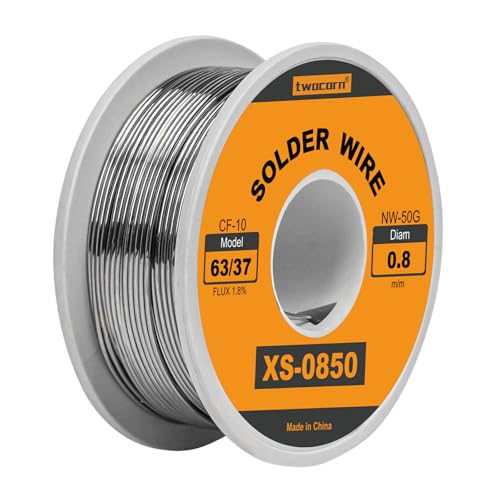
twocorn 63/37 Solder Wire 0.8mm 50g

RectorSeal Nokorode 14000 Paste Flux 1.7 oz.
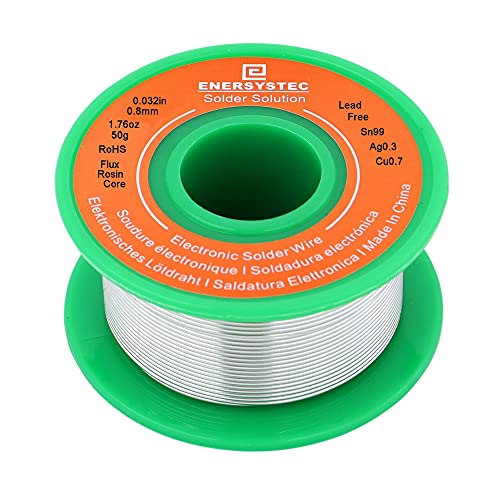
E ENERSYSTEC Lead-Free Solder Wire Rosin Core Flux 0.8mm 50g

HARRIS SCPF4 Stay Clean Paste Flux 4 oz. Jar

MG Chemicals 835-PX2 Flux Pen 2 x 10 mL

Solder-It SP-7 Silver Solder Paste 7.1 g

TOWOT Liquid Solder Flux 30ml Precision Dropper

TOWOT Liquid Solder Flux 35ml High Purity Rosin

GSParts Harris Stay-Silv Silver White Brazing Flux Paste SSWF7
More Details On Our Top Picks
Wire-form flux like this keeps the soldering step tidy, because the core runs through the strand instead of needing a separate dab. The 0.8 mm size suits small leads, connector tabs, and general bench repairs, while the 63/37 alloy is the familiar tin-lead mix many hobby setups still favor for smooth flow.
The trade-off is simple, wire solder gives you less control over where flux lands than a pen or paste. For electronics work on a crowded desk, though, that built-in 1.8% flux can save time and keep the workflow cleaner.
Strong Points
- Rosin core construction combines solder and flux in one strand, so your bench setup stays simple.
- 0.8 mm wire helps you feed smaller pads without flooding a joint.
- 63/37 alloy is a familiar choice for smooth hand soldering and fast set-up.
- Built-in 1.8% flux suits quick touch-ups on boards, leads, and light wiring.
Points To Note
- Wire format gives less spot control than a separate liquid or pen applicator.
- Tin-lead solder suits some bench work, but many shops still prefer lead-free for policy or material reasons.
- Small 50 g sizing is handy for a kit, yet frequent users may burn through it quickly.
Feature Snapshot
Who It Suits Best
You fit this wire best for bench electronics, hobby repairs, and small jobs where a combined solder-and-flux approach saves time.
A Better Fit Elsewhere
MG Chemicals 835-PX2 Flux Pen Soldering suits you better when you want separate flux control for detailed board rework.
Plumbing jobs need a flux that stays where you put it, and this paste format makes that easier than a thin liquid. The 1.7 oz jar is compact enough for a service pouch, yet it still makes sense for soldering copper pipe in a utility room or under a sink.
Compared with the wire solder above, this one is all about separate application and steadier coverage. The honest read is that paste flux can feel messier on cleanup, so you want a controlled hand and a cloth nearby.
What We Like
- Paste texture helps it cling to pipe and fitting surfaces before heat enters the joint.
- Jar packaging works well for bench storage and field kits.
- Plumbing focus makes it a sensible choice for copper pipe soldering tasks.
- Small container size keeps it easy to carry between service calls.
Room For Improvement
- Paste can leave more residue to wipe away than a very targeted pen applicator.
- The jar format is less precise for delicate electronics work.
- Users handling repeated jobs may want a separate applicator tool for cleaner placement.
Core Details
Made For
You get the most from this one in plumbing repairs, especially copper joins that need paste you can brush or dab on in a controlled layer.
Swap It Out When
HARRIS SCPF4 Stay Clean Paste Flux suits larger shop jobs better, especially when you want a fuller jar for repeated use.
This lead-free wire keeps the familiar convenience of rosin-core solder while shifting away from tin-lead. The 0.8 mm diameter suits fine electronics work, and the Sn99 Ag0.3 Cu0.7 alloy points to a modern solder mix many repair setups use for board and connector work.
Compared with twocorn’s 63/37 option, this one leans toward lead-free jobs without giving up the easy wire format. For a home bench, that balance can be the sweet spot, although the tighter alloy profile may feel less forgiving to anyone used to old-school 63/37 flow.
Upsides
- Lead-free alloy fits setups that call for a non-tin-lead solder.
- Rosin core keeps application simple on small electronic joints.
- 0.8 mm wire gives you decent control on compact pads and terminals.
- 50 g spool size works well for repair kits and light bench use.
Softer Spots
- Lead-free wire can feel different under the iron than a 63/37 blend.
- Wire format still leaves flux placement tied to where the solder lands.
- Smaller spool size may suit hobby use better than heavy daily production work.
Technical Sheet
The Right Fit
You suit this pick best for lead-free electronics repair, especially on small boards, connectors, and general bench touch-ups.
Another Choice May Suit
twocorn 63/37 Solder Wire 0.8mm 50g suits you better if you prefer the more familiar feel of tin-lead solder.
This jar suits a workbench that sees regular soldering, not just the occasional fix. The 4 oz size gives you more breathing room than the smaller plumbing jar above, and paste format helps it sit on the joint instead of running off.
For shop use, that steadier body can feel like a safer middle ground between a thin liquid and a small packet. The catch is cleanup, because paste products often need a bit more attention after the joint cools.
Reasons To Buy
- Larger jar size makes sense for repeated use across many jobs.
- Paste consistency helps keep flux where you place it.
- Good fit for a bench that handles regular repair work.
- Simple jar storage works well in a tool cabinet or drawer.
Areas To Watch
- Paste residue usually means a little more post-job cleanup.
- The jar format is less exact than a pen for tiny board spots.
- It may feel oversized for a very light home kit.
Details At A Glance
Whose Shelf It Belongs On
You fit this flux best in a workshop or garage where soldering shows up often enough to justify a larger jar.
Look Elsewhere When
RectorSeal Nokorode 14000 Paste Flux is the more compact choice for plumbing-focused tasks and lighter carry.
A flux pen makes sense the moment you need to target one pad, one trace, or one tiny repair instead of coating a whole area. This MG Chemicals option leans into that kind of precision, and the amber body is a quiet reminder that it’s built for controlled application rather than bulk use.
Because it works with both leaded and lead-free solder, it covers a wide range of bench jobs without forcing you to keep two separate pens around. Non-corrosive formulation is a practical plus for electronics, though pen tips can still dry out or clog if you leave them uncapped.
Highlights
- Pen format gives you precise placement on small board features.
- Works with leaded and lead-free solder, so it fits mixed repair benches.
- Non-corrosive formula suits delicate electronics tasks.
- Compact size stores easily in a pocket kit or small drawer.
Minor Gripes
- Pen tips need basic care so they do not dry out or clog.
- 2 x 10 mL format is excellent for control, but not for large-area work.
Feature Rundown
Who Should Grab It
You fit this pen best for PCB touch-ups, trace repair, and any job where you want clean, narrow application.
Reach For A Different Pick When
TOWOT Liquid Solder Flux 30ml Precision Dropper suits you better when you want a liquid reservoir with a fine dropper instead of a pen tip.
This paste sits in a useful middle zone between electronics work and small home projects. The silver solder angle makes it especially interesting for jewelry repair or wiring tasks where a paste product with more body feels easier to place than a liquid.
At 7.1 grams, it’s a small-format option, so it fits a focused kit rather than a full shop shelf. That smaller size is practical for occasional use, though frequent repair work could make you want something with a larger supply.
Best Bits
- Paste form helps it stay in place on small parts and joints.
- Useful across electronics, wiring, and jewelry-style repair work.
- Small 7.1 g size stores neatly in a compact kit.
- Lead-free labeling makes it appealing for many modern bench setups.
Small Caveats
- Small container size may feel tight for repeated repair sessions.
- Paste cleanup is usually more involved than with a targeted pen.
- Its broad use range helps, but it still rewards careful application.
Core Details
Best Suited To
You fit this paste best for occasional electronics repairs, jewelry tasks, and home improvement work that needs a small, easy-to-store tin.
Where A Sibling Pick Shines
HARRIS SCPF4 Stay Clean Paste Flux suits you better for heavier bench use, where a larger jar brings more staying power.
Liquid flux with a precision dropper gives you a different kind of control than the pen above, because you can place small amounts exactly where capillary action is needed. That matters on PCB repair, circuit boards, and other detailed jobs where you do not want paste-like buildup.
The 30 ml size is a comfortable middle ground for home benches and project boxes. One thing worth noting, liquid flux can travel fast, so a steady hand and careful storage matter more than they do with a thicker paste.
Bright Spots
- Precision dropper helps you apply small amounts with control.
- Liquid format spreads well on board-level work and repair spots.
- 30 ml bottle size suits a home bench or project kit.
- Lead-free positioning fits many modern electronics workflows.
Areas To Watch
- Thin liquid can move farther than expected on a cluttered board.
- Dropper bottles need careful cap handling to avoid spills or drying.
- It is less suited to jobs that need a thick paste layer.
Feature Card
Built With In Mind
You fit this flux best for PCB work, circuit board repair, and other jobs that reward precise liquid placement.
Skip It When
MG Chemicals 835-PX2 Flux Pen Soldering is the better pick for anyone who prefers an even more controlled pen-style application.
This TOWOT bottle reads like the broader sibling to the 30 ml version, with the same liquid approach but a slightly larger fill. That extra capacity can feel useful on a bench that handles copper, silver, or routine PCB work, because you are not refilling or replacing as quickly.
The no-clean style is attractive for fast electronics workflow, and the high-purity rosin profile points toward cleaner soldering habits than a generic paste jar. Still, liquid flux rewards careful storage, and the thin body is better for targeted jobs than for thick coverage.
Positives
- 35 ml bottle gives you a bit more working volume than the smaller liquid option.
- Liquid body suits copper, silver, and board-level solder tasks.
- No-clean style helps keep post-job cleanup simpler for routine repairs.
- High-purity rosin positioning makes it a logical electronics bench choice.
Trade Offs
- Thin liquid can spread farther than you want on tiny pads.
- Still needs careful cap and bottle handling to avoid mess.
- Less suited to jobs that benefit from a thicker, paste-like layer.
Quick Facts
Who Will Love This
You fit this flux best for mixed electronics work where liquid application and a modestly larger bottle both matter.
Where Another Pick Fits Better
TOWOT Liquid Solder Flux 30ml Precision Dropper is the tighter choice for you if exact drop placement matters more than bottle size.
Brazing flux lives in a different lane from the electronics options above, because it’s meant for hotter work and silver brazing rather than small board repairs. That is why this paste makes sense for metalwork setups that need a white brazing flux with a higher-heat focus.
Compared with the plumbing paste and the electronics liquids, this one is the specialist in the group. You may find it less versatile for everyday bench soldering, but for the right torch-driven job it fits the brief cleanly.
Plus Points
- Designed for high-temperature brazing tasks rather than light solder-only work.
- Paste body helps it stay on the joint area during setup.
- Silver brazing focus suits specialized metal joining jobs.
- White flux style is easy to identify in a brazing kit.
Honest Caveats
- Specialized brazing use makes it less useful for everyday electronics soldering.
- Paste cleanup and handling still call for patience after the job.
- Best value shows up only when your work truly needs higher-heat brazing flux.
Technical Sheet
The Right Fit
You fit this paste best for silver brazing and other high-heat metal joining jobs that need a dedicated brazing flux.
Look Elsewhere When
RectorSeal Nokorode 14000 Paste Flux is the more sensible pick for plumbing soldering and general copper pipe work.
How To Choose The Right Solder Fluxes
Match The Flux To The Job
Wire solder with rosin core works well for small electronics because the flux rides inside the solder strand, which keeps the workflow simple. Paste suits plumbing and brazing better, since it stays put on copper, fittings, or heavier metal surfaces before heat hits the joint.
Liquid and pen formats serve detail work on PCBs, traces, and narrow pads. Those thinner formats give you more placement control, while paste gives you more body and less runoff.
Pay Attention To Alloy And Temperature Needs
Lead-free wire matters for many modern electronics benches, and the alloy blend changes how the solder flows under the iron. Tin-lead mixes, like 63/37, feel familiar to many hobby setups because they melt and set in a predictable way.
Brazing flux sits in another category entirely, since it supports higher-heat torch work rather than ordinary soldering. That separation matters, because using a plumbing paste on a torch job or a brazing flux on a PCB is a poor match.
Think About Cleanup And Storage
Pen tips and droppers need caps, steady handling, and a little care so they do not dry out or clog. Paste jars are easy to store, though they can leave more residue around the joint and on your tools.
For bench work in a garage, tool room, or repair corner, storage shape matters as much as chemistry. A compact pen may fit a pocket kit, while a jar suits a shelf, and a spool of wire keeps the desk uncluttered.
Choose Based On Skill Level And Control
Beginners often do better with wire solder that includes flux, because it reduces the number of steps on a basic joint. More experienced solderers may prefer a separate flux pen or liquid bottle for finer placement and less waste.
That choice becomes even clearer on crowded circuit boards, where too much flux can creep into nearby areas. A little control goes a long way, especially on repair jobs that need clean, repeatable joints.
Things Worth Knowing First
Hidden Buying Traps
Many shoppers grab the wrong format first, then find themselves fighting the product instead of the joint. A thick paste is not a great stand-in for a fine PCB pen, and a liquid bottle is not the same thing as a copper-pipe jar.
Another common miss is overlooking cleanup. A more aggressive or messier flux can be fine for the right job, but it adds extra wiping, which matters in tight home workshops.
The Case For Spending Up
Higher-tier flux products usually cost more because they offer better control, more specialized use, or a format that fits a precise job. Pen applicators, precision droppers, and higher-heat brazing pastes all ask for more refinement in packaging or formulation.
The upgrade pays off when you solder often, work on detailed boards, or need a flux that matches a specific metal and temperature range. For occasional fixes, a simpler jar or spool is often enough, and that’s the honest balance.
Frequently Asked Questions
What type of flux works best for electronics?
Rosin-core wire, flux pens, and liquid no-clean formulas are the most practical choices for board work. They give you control without forcing you into plumbing-style paste.
Do you need separate flux for plumbing?
Plumbing soldering usually benefits from a dedicated paste flux that stays on the pipe and fitting. That extra body helps on copper joins and similar surface work.
Is lead-free solder harder to use?
Many people notice that lead-free solder feels a little different under the iron. A steady hand and the right tip temperature make the job feel more predictable.
Why use a flux pen instead of paste?
A flux pen gives you narrow placement on small pads and traces. Paste is better when you need a thicker layer that will stay put on larger metal areas.
Can one flux handle every soldering job?
One product can cover several tasks, but not every task well. Electronics, plumbing, and brazing each favor different formats and heat behavior.
Final Thoughts
The right solder flux makes your work smoother, cleaner, and less fussy, whether you’re fixing a circuit board, joining pipe, or handling a brazing job. Wire solder with built-in rosin suits simple electronics, while pens and liquids give you finer control for detailed repairs. Paste still has a strong place in plumbing and higher-heat metalwork. Match the format to the job and your bench will feel far less like a compromise.