

Choosing solder looks simple until you need the right alloy, core, and wire thickness for the job in front of you. A tidy electronics repair, a stained-glass seam, and a bench full of small parts all ask for different handling, so the wrong spool can slow you down fast. This roundup keeps the focus on practical fit, not marketing noise. You get clear picks for everyday bench work, fine electronics, glasswork, and compact carry kits.
The Shortlist At A Glance

Kester 24-6337-8800 50 Activated Rosin Cored Wire Solder Roll 245 No-Clean 63/37 Alloy 0.031 Diameter
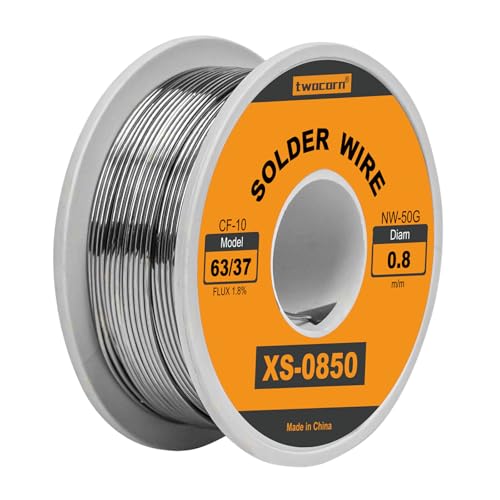
63/37 Solder Wire High Purity No-Wash Tin-Lead Rosin Cored Wire 0.8mm 50g
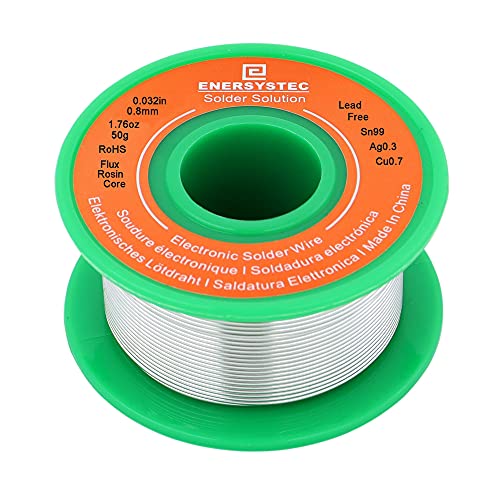
Lead-Free Solder Wire Rosin Core Flux 0.8mm Sn99 Ag0.3 Cu0.7 50g
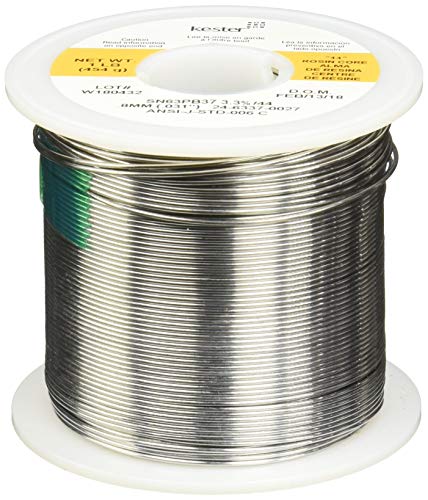
Kester 24-6337-0027 Solder Roll Core Size 66 63/37 Alloy 0.031 Diameter

Canfield 50/50 Solder for Stained Glass 1 Lb Spool

MG Chemicals 60/40 Rosin Core Leaded Solder 0.032 Diameter 0.6 oz Pocket Pack

Kester 44 Solder Wire 63/37 0.031 RMA Rosin 1-ounce Tube

Kester 24-6337-0010 44 Rosin Core Solder 63/37 .020 1 lb. Spool

2Pcs Solder Wire 1mm Diameter Rosin Core Solder for Electronic Electrical Soldering Components Repair Net 20g
More Details On Our Top Picks
That 63/37 alloy means the solder shifts from liquid to solid at a narrow range, which helps steady hand work on small boards and tidy leads. The no-clean style also matters in a real bench setup, because you’re less likely to end up scrubbing residue after a quick repair.
Compared with the shorter hobby spools lower in this list, this one reads like a workbench staple rather than a throw-in kit piece. The 0.031 inch wire suits common electronics joins, though very fine traces may call for something slimmer.
What We Like
- 63/37 alloy helps create a smooth, fast-setting joint.
- No-clean flux lowers follow-up cleanup for routine repairs.
- The 0.031 inch wire fits common component work.
- Good match for repeated bench use, not just one-off fixes.
Things To Consider
- The roll format takes more drawer space than a pocket tube.
- Very fine electronics work may prefer thinner wire.
Feature Snapshot
Who It Suits Best
You’ll like this most if you spend regular time on circuit boards, connectors, and general repair work at a desk or bench.
Where A Sibling Pick Shines
Kester 44 Solder Wire 63/37 0.031 RMA Rosin 1-ounce Tube suits the person who wants the same family of alloy in a smaller container for a compact kit.
The 0.8mm wire and 1.8% flux make this feel geared toward straightforward hand soldering, especially on the kinds of fixes that come up in a home electronics bench. You may find the compact 50g format handy for occasional work, since it stores easily and keeps the spool count low.
Unlike the Kester options above, this one is aimed more at practical, small-batch use than long-term bench supply. The trade-off is obvious, because a smaller roll suits repair drawers better than high-volume production habits.
Highlights
- 0.8mm wire gives a confident feed for general electronic soldering.
- 1.8% flux content supports smoother wetting on small jobs.
- The 50g size keeps it easy to store in a tool kit.
- High-purity tin-lead blend suits familiar hand-soldering routines.
Points To Note
- The smaller spool is better for light use than heavy throughput.
- Tin-lead content may not suit every work rule or preference.
- Compact packaging can be easier to misplace in a crowded bench drawer.
Technical Sheet
Made For
This fits hobby electronics work, quick repairs, and anyone who wants a manageable spool without a lot of bench clutter.
A Better Fit Elsewhere
Kester 24-6337-8800 50 Activated Rosin Cored Wire Solder Roll suits you better for a more established no-clean bench spool.
This lead-free option stands out for anyone building or repairing electronics with a cleaner materials preference, and the Sn99 Ag0.3 Cu0.7 blend points to a modern alloy profile. In most home workshops, 0.8mm wire is a comfortable middle ground, neither too bulky nor too fussy.
Compared with the tin-lead rolls in this list, you give up that familiar old-school feel, but you gain a lead-free setup that suits many current repair habits. The small 50g amount keeps it practical for occasional bench work, though bigger projects can chew through it quickly.
Upsides
- Lead-free alloy suits electronics work where that matters to your setup.
- 0.8mm diameter feeds neatly for detail soldering.
- Rosin core helps the solder move across pads and leads with less fuss.
- The 50g size works well for a secondary spool.
Small Caveats
- Smaller weight means less runway for long repair sessions.
- Lead-free alloys often feel different under the iron than tin-lead blends.
Core Details
Who Will Love This
You’ll get the most out of this in a home electronics space where lead-free materials are part of your routine.
Another Choice May Suit
MG Chemicals 60/40 Rosin Core Leaded Solder suits the person who wants a more familiar leaded feel in a pocket pack.
This Kester spool follows the same trusted 63/37 path as the lead item, but the core size label points to a different internal construction detail. That matters in real use because feed feel can change a little from spool to spool, especially during longer bench sessions.
For you, the practical draw is consistency: the 0.031 inch diameter stays in the familiar range for electronic work, and the larger roll format suits a bench that sees repeated repairs. The honest read is that this is less about flash and more about dependable handling.
Reasons To Buy
- 63/37 alloy is a familiar fit for steady hand soldering.
- 0.031 inch wire works well for common electronics joints.
- Roll format suits a dedicated workstation.
- Kester’s naming here signals a more bench-oriented spool style.
Areas To Watch
- The source data does not spell out the spool weight.
- Bench storage matters more than with the smaller tube options.
Details At A Glance
Best Suited To
This suits you best if your bench sees steady repair work and you want a familiar solder profile without chasing a specialty format.
Look Elsewhere When
Kester 44 Solder Wire 63/37 0.031 RMA Rosin 1-ounce Tube fits better for a smaller kit that lives in a drawer or toolbox.
Stained-glass work asks for a different kind of soldering rhythm, and this 50/50 spool sits squarely in that lane. The 1 lb size makes sense in a studio or craft space where you want a larger supply on hand for repeating seams.
Compared with the electronics-focused Kester and MG Chemicals picks, this one belongs in a craft bench, not a circuit board drawer. The trade-off is simple, since it’s specialized for glass projects rather than general-purpose electronic repair.
Strong Points
- Made for stained-glass assembly, not generic bench work.
- 1 lb spool supports bigger craft sessions.
- The 50/50 blend matches the project style more closely than electronics solder.
Worth Noting
- Specialized use means it’s not the flexible pick for mixed repair tasks.
- Bulk spool storage matters in a small craft corner.
Feature Rundown
Right Fit For
You’ll appreciate this most in a stained-glass studio, craft room, or any setup that stays focused on glasswork.
Skip It When
Kester 24-6337-8800 50 Activated Rosin Cored Wire Solder Roll is the better call for electronics and general bench soldering.
The pocket pack format is the headline here, and it makes sense for a travel kit, a desk drawer, or a backup spool in a bag. At 0.032 inch, the wire stays in a familiar electronics range, so you’re not giving up practicality just to save space.
Compared with the larger Kester spools above, this one trades capacity for portability. That’s a good deal for quick bench fixes, though frequent users will probably burn through the small 0.6 oz amount faster than expected.
Best Bits
- Small pocket pack fits easily into a tool pouch.
- 60/40 blend is familiar for routine soldering tasks.
- 0.032 inch wire suits common electronics repairs.
- Useful as a backup roll for travel or field work.
Room For Improvement
- Very small amount limits repeat use.
- Less suited to a primary bench supply than a larger spool.
Key Specs
The Right Fit
This fits you best as a compact backup or a portable kit spool for repair work away from the main bench.
Where Another Pick Suits Better
Kester 24-6337-0010 44 Rosin Core Solder 63/37 .020 1 lb. Spool makes more sense for heavier, repeat-use bench soldering.
This tube-format spool is a nice fit for a compact electronics kit, especially where you want the same 63/37 blend without hauling a large roll around. RMA rosin means the flux uses a milder rosin family, which matters because many bench users prefer a familiar clean-up routine after a small repair.
Compared with the pocket-pack MG Chemicals option, you get a slightly more focused tube format and a more established Kester line. The honest read is that it feels especially sensible for someone who keeps a few tools in one case and likes order on the bench.
Positives
- 63/37 alloy supports quick, clean-feeling joints.
- RMA rosin is a familiar flux style for electronics work.
- Tube packaging helps keep a small spool contained.
- 1-ounce size suits spare-kit storage.
Minor Gripes
- Not the right shape for high-volume bench throughput.
- Small tube storage can be easy to overlook in a crowded drawer.
At A Glance
Whose Shelf It Belongs On
This belongs on the shelf of a hobbyist or repair tech who wants a neat, easy-to-store solder tube for small electronic fixes.
Swap It Out When
Kester 24-6337-0010 44 Rosin Core Solder 63/37 .020 1 lb. Spool is the stronger match for a large, stationary bench.
The .020 inch wire is the fine-detail story here, and that makes a difference for smaller pads, denser boards, and careful hand work. Pair that with a full 1 lb spool, and you get a setup that suits regular electronics use without constant roll changes.
Compared with the 0.031 inch Kester options earlier, this one asks for a steadier hand but gives you finer control at the joint. For an established bench, that’s a fair trade, though beginners may find the thinner wire slightly less forgiving at first.
Strong Points
- Thin .020 inch wire supports finer solder placement.
- 1 lb spool fits frequent use at a dedicated bench.
- 63/37 blend keeps the soldering feel familiar for electronics work.
Trade Offs
- Thinner wire takes more control from your hand.
- The larger spool is less convenient for a travel kit.
Feature Card
Perfect Match For
This suits you best if your bench work leans toward dense circuit boards, steady soldering habits, and a larger supply on hand.
Not Your Match When
MG Chemicals 60/40 Rosin Core Leaded Solder 0.032 Diameter 0.6 oz Pocket Pack is easier to stash for carry-around repairs.
A 1mm wire is easy to understand and easy to feed, which makes this pair of spools approachable for simple electronics jobs. The two-piece format also gives you a little buffer, useful for a workbench that handles small repairs and occasional component swaps.
Compared with the Kester and MG Chemicals options, this one feels more like a straightforward utility pack than a long-term bench staple. The honest trade-off is capacity, because 20g total is enough for modest repair work but not a big weekend of projects.
Positives
- 1mm diameter is easy to handle for simple soldering tasks.
- Two-piece pack gives you a spare spool on hand.
- Rosin core helps with routine electrical and component repair.
Honest Caveats
- 20g total is better for light use than heavy throughput.
- The broader 1mm wire may feel less refined on tiny pads.
Feature Snapshot
Built With In Mind
This suits you if you want a simple, low-commitment solder pack for household repairs and beginner-friendly electronics tasks.
Reach For A Different Pick When
Kester 24-6337-0010 44 Rosin Core Solder 63/37 .020 1 lb. Spool is better for serious bench use and finer control.
How To Choose The Right Solders
Match The Alloy To The Job
63/37 and 60/40 are common tin-lead blends for electronics, but they feel different at the iron. The 63/37 style has a narrower transition from liquid to solid, so it can feel more predictable on small joints, while 60/40 gives a familiar workbench rhythm for many repairs.
Lead-free blends like Sn99 Ag0.3 Cu0.7 suit setups that call for a no-lead path. The trade-off is handling feel, because lead-free solder often behaves differently and may ask for a touch more patience.
Pick Wire Diameter For Your Hands
Thin wire, like .020 inch or 0.031 inch, helps on tiny pads and fine leads. Thicker wire, such as 0.8mm or 1mm, feeds more easily on basic repairs and can feel less fussy for casual work.
You want the solder to match the scale of the part, not fight it. A wire that is too thick can dump too much material, while one that is too thin can slow you down on larger joints.
Think About Flux And Cleanup
Flux is the chemical in the core that helps solder wet the metal surface. No-clean and rosin-core styles are both common, but they differ in how much post-work cleanup they tend to invite.
For a tidy bench, no-clean can save time after quick fixes. Rosin styles remain a safe, familiar choice for many electronics setups, especially when you already know how you like to clean your board afterward.
Size The Spool To Your Routine
Compact tubes and pocket packs suit travel kits, drawer storage, and occasional repairs. Large spools make more sense for a bench that stays busy or a craft corner that sees repeated use.
The honest question is not just what solder works, but how often you want to reach for it. A small spool saves space, while a bigger one reduces interruptions once you get into a project groove.
Things Worth Knowing First
Common Shopping Slip Ups
Many people grab the wrong diameter first, then wonder why the joint looks messy. Size matters more than the packaging language, especially on small boards or delicate leads.
Another common miss is buying a solder type that fits the wrong craft. Electronics solder and stained-glass solder serve different jobs, so matching the material to the project keeps frustration down.
The Upgrade Payoff
Higher-tier solder often costs more because the alloy profile, core consistency, and spool build tend to be tighter. That can matter in steady bench use, where smooth feed and predictable flow save time over a long week.
Paying more makes sense when you solder often, care about control, or want a spool that feels consistent from the first inch to the last. For occasional fixes, a simple pocket pack can still be enough.
Frequently Asked Questions
What alloy works best for electronics soldering?
63/37 is a very common choice because it gives a predictable transition while you work. 60/40 also has a familiar feel and suits many routine repairs.
Is lead-free solder harder to use?
It often feels a little different at the iron, so the handling can seem less familiar at first. Many people still choose it for setup preferences rather than performance drama.
Why does wire diameter matter so much?
Diameter affects how much solder comes off the spool with each feed. Fine wire suits small pads, while thicker wire is easier to manage on larger joints.
What does rosin core do?
Rosin core puts flux inside the solder wire, so the join gets help while you work. That usually improves wetting and reduces fuss on common electronics tasks.
Do small spools make sense for regular use?
They do for carry kits, backups, and light repair work. A larger spool makes more sense once you start soldering often at the same bench.
Closing Thoughts
You get the cleanest results when the solder matches both the job and your hand. Fine wire helps on small electronics, while larger spools make life easier at a busy bench or craft station. Alloy choice matters too, because 63/37, 60/40, lead-free blends, and 50/50 each behave a little differently. Pick the format that fits how you actually work, and the rest gets a lot less awkward.



