

Wood dust cleanup gets messy fast, especially once you mix saws, planers, and a small shop vacuum into the same space. You want a setup that matches your tools, your floor space, and how much debris you actually make, not just the biggest unit on the page. This roundup leans on hose kits, separators, collector bags, and wall-mounted systems, so you can choose the kind of dust control that fits the way you work.
Some picks suit a benchtop planer or contractor saw, while others make more sense for a garage shop that needs stronger airflow or easier storage. The trade-off is usually size, capacity, and how much assembly your setup can handle. That’s the honest part of buying in this category.
Quick Look At The Shortlist

POWERTEC Dust Collector Bag with 4′ Key Hose Clamps

Vacmaster Beast Series VFB511H 0201 5-Gallon Wet/Dry Vac

Peachtree Woodworking Supply 10 Foot Dust Collection Hose Kit

Dust Right Dust Separator + 36″ Flex-Form Hose
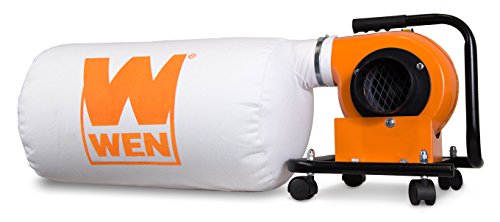
WEN DC3401 Woodworking Dust Collector

DEWALT Dust Separator DXVCS002, 6 Gallon Poly Tank

Milescraft 1500 DustCutter Contractor Saw Dust Collection System

DEWALT Dust Separator DXVCS003, 10 Gallon Stainless Steel Tank

Dust Right Flexiport Power Tool Hose Kit, 3 to 12′ Hose
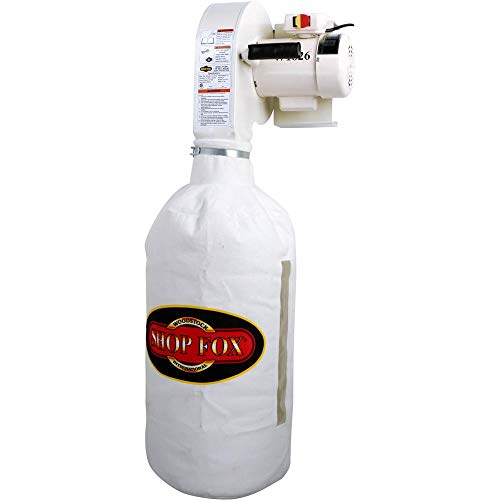
Shop Fox W1826 Wall Dust Collector
Planer cleanup usually starts with the bag, and this POWERTEC setup keeps the job focused on compatibility. The 30-micron bag means it is aimed at catching finer dust from benchtop planers, while the included 4-inch hose clamps help it fit the intended machines more securely.
That makes it a sensible match for a garage shop using a DeWalt DW735 or DW734, or a WEN PL1326 and PL1303. The honest trade-off is that you are buying a bag-based solution, so it fits a very specific use case better than a full collector.
What We Like
- Designed around common planer and collector ports, so setup feels more direct.
- 30-micron capture is a practical fit for woodworking dust from planer work.
- The included clamps help keep the connection more secure during regular shop use.
- Compact format suits small shops that do not have room for a large collector.
Things To Consider
- It suits matching machines, so compatibility deserves a careful look before you commit.
- Bag systems need periodic cleanup, which matters in busy planer sessions.
Feature Snapshot
Who It Suits Best
Shop owners running a compatible DeWalt or WEN planer in a compact workspace will get the most from this bag.
A Better Fit Elsewhere
WEN DC3401 makes more sense for a woodworker who wants a fuller dust collector instead of a bag-only attachment.
A 5-gallon wet/dry vac is a familiar shape for shop cleanup, and this Vacmaster keeps the footprint tight. The 5.5 peak horsepower rating points to strong pickup for dust, chips, and mixed debris, which helps in a garage where the vacuum does double duty.
Compared with the bag-focused POWERTEC pick, this one is much broader in use and easier to move around the shop. You may find the smaller tank a fair trade for quick cleanup jobs, though long sanding sessions can fill it faster than a larger collector.
Highlights
- 5-gallon capacity keeps the unit compact for shelves, corners, or a rolling cart.
- Wet/dry design gives you one machine for both dry debris and spill cleanup.
- 5.5 peak horsepower supports strong pickup for everyday workshop messes.
- Useful in a wood shop that also handles general garage cleanup.
Minor Gripes
- The smaller tank means more frequent emptying during heavier woodworking sessions.
- It is a vacuum, so it serves a different role than a dedicated collector.
At A Glance
Who Should Grab It
Weekend woodworkers who want one compact cleanup machine for sawdust and general garage messes will appreciate this format.
Where A Sibling Pick Shines
DEWALT DXVCS003 suits a woodworker who wants separator-style dust handling and a larger tank for collection work.
Hose length matters more than many shops expect, and this 10-foot kit gives you room to route around benches, carts, and awkward wall runs. That extra reach helps when your tools are not parked beside the collector, which is common in a small basement or garage setup.
Compared with the Vacmaster, this is not the collection machine itself, it is the link that lets the machine reach your tools more cleanly. The trade-off is simple enough: you get flexibility, but you still need the right collector or vac on the other end.
Bright Spots
- 10 feet of hose gives you more layout freedom across a workshop.
- Works well for mixed tool stations where the collector stays in one corner.
- Useful for reducing awkward hose pulls around saw stands and benches.
- Simple category fit for woodworkers upgrading an existing collection setup.
Areas To Watch
- It is a support piece, not a stand-alone dust collector.
- Longer hoses can be less convenient to coil and store neatly.
Core Details
Whose Shelf It Belongs On
Woodworkers with a fixed collector and multiple tools spread around the shop will benefit most from the extra reach.
Look Elsewhere When
Dust Right Dust Separator fits better for a shopper who needs separation before debris reaches the vacuum.
This separator is aimed at keeping the heavy stuff out of your vacuum before the filter gets burdened. The 36-inch Flex-Form hose gives it more usable reach than a rigid connector, which helps in a shop where the vacuum does not sit right next to the machine.
The 10-gallon translucent bucket is a useful touch because you can judge debris level at a glance instead of opening the container constantly. Compared with the Peachtree hose kit, this one handles the separation job itself, so it suits woodworkers who want less clogging and more protection for the vacuum side of the system.
Upsides
- Converts a shop vacuum into a two-stage dust setup with more separation before the filter.
- Useful for sawdust, wood chips, and mixed debris in active shops.
- Translucent bucket helps you see fill level without constant checking.
- 36-inch flex hose adds routing convenience around tight workspaces.
Small Caveats
- It is built around a 2-1/4-inch outlet, so fit matters.
- Bucket-style systems still need regular emptying and cleaning.
Technical Sheet
Best Suited To
Shop vac owners who want a separator that helps protect the filter during regular woodworking cleanup will appreciate this setup.
Swap It Out When
WEN DC3401 suits someone who wants a more traditional woodworking collector instead of a separator add-on.
The WEN DC3401 feels like the first pick here that leans into a more complete shop setup rather than a helper part. A 5.7-amp motor and 12-gallon bag give it enough presence for a small woodworking space, while the mobile base and optional wall mount make storage and placement more manageable.
That flexibility is a real advantage in a garage where floor space changes from one project to the next. Compared with the Dust Right separator, this is the better fit when you want a dedicated collector instead of a vacuum accessory, though it still stays compact enough for modest shops.
Reasons To Buy
- 12-gallon bag offers more collection room than the smaller vacuum-based options above.
- Mobile base makes it easier to reposition around a busy shop.
- Optional wall mount helps reclaim floor space when the unit is parked.
- Good middle ground for woodworkers who want a dedicated collector without going oversized.
Points To Note
- The setup takes more planning than a hose or separator accessory.
- Bag upkeep is part of the routine in a machine like this.
Details At A Glance
Right Fit
Home woodworkers with a modest shop and a need for a dedicated, space-aware collector will get the most from this model.
Another Choice May Suit
Milescraft 1500 DustCutter suits a contractor saw owner who wants a more tool-specific dust collection system.
DEWALT’s 6-gallon separator is aimed at the kind of setup that wants cleaner airflow without a huge footprint. The poly tank keeps the body lighter than steel, and the cyclone format is built to keep larger dust and chips away from the vacuum side of the system.
That makes it a tidy fit for smaller shops that already own a compatible vac and want better dust staging. Compared with the Dust Right separator, this DEWALT unit feels a bit more tank-like and self-contained, though the smaller capacity means you’ll empty it more often than the larger DXVCS003.
Standout Traits
- 99.5% efficiency figure signals strong separation intent for workshop debris handling.
- 6-gallon tank keeps the system compact for tighter work areas.
- Poly construction is lighter than metal and easier to move around.
- Well suited to a vacuum-based dust collection setup in a modest shop.
Worth Noting
- Smaller capacity means more frequent emptying during heavier machine use.
- It works as part of a system, so collector compatibility matters.
Spec Overview
Built With In Mind
Woodworkers who want a compact separator for a standard shop vacuum will find this one especially practical.
Reach For A Different Pick When
DEWALT DXVCS003 fits better for a shop that can make room for a 10-gallon stainless tank.
Contractor saw owners often need a dust solution that follows the saw instead of asking the saw to fit a generic setup, and that is the role this Milescraft system fills. The black finish keeps it visually simple, while the design focus suggests a more dedicated approach to saw-side dust handling than the hose kits above.
That makes it appealing for a shop where one table saw does most of the heavy cutting. The trade-off is narrow focus, so it is less useful as a general dust tool than the Vacmaster or WEN units.
Best Bits
- Purpose-built for contractor saw dust collection rather than broad cleanup tasks.
- Can suit a steady table saw workflow in a fixed shop.
- More focused than a general vac when saw dust is the main concern.
- Black finish keeps the setup understated and easy to place near a saw.
Room For Improvement
- It is more specialized than the all-purpose vacuum and separator picks.
- The best fit depends heavily on your saw style and shop layout.
Core Details
The Right Fit
Contractor saw owners who want a saw-centered dust solution will get the cleanest match from this system.
Where A Sibling Pick Shines
WEN DC3401 suits a woodworker who wants a more general collector that handles the rest of the shop too.
The DXVCS003 is the larger, more substantial sibling in DEWALT’s separator line, and the 10-gallon stainless tank is a big part of that story. Stainless steel tends to feel more durable in a busy shop, and the larger tank gives you more room before emptying becomes part of the routine again.
Compared with the 6-gallon DXVCS002, this one makes more sense for longer sanding or repeated cleanup across several machines. It is still a separator rather than a full collector, though, so the upgrade pays off most when your current vacuum system already fits your workflow.
Standout Traits
- 10-gallon tank offers more capacity for extended shop cleanup.
- Stainless steel body gives the unit a more durable feel in daily use.
- 99.5% efficiency rating points to serious separation performance.
- Good step up for woodworkers who outgrow smaller separator tanks.
Small Caveats
- The larger tank takes up more room than the 6-gallon model.
- It still depends on the rest of your vacuum setup.
Feature Rundown
Best Suited To
Woodworkers with a busier shop and a vacuum system that needs more debris staging will value this larger separator.
Skip It When
Dust Right Flexiport suits a person who needs hose routing more than tank capacity.
This Flexiport kit is built for the reality of a shop where every tool has a different position and reach. The hose expands from 3 to 12 feet, so you can keep the line short for one setup and stretch it farther for another without changing the whole layout.
With four FlexiPorts, it looks best for woodworkers who move between tools like a table saw, miter saw, and smaller bench machines. The catch is that it is a routing kit, not a dust collector, so it pairs best with equipment you already own.
Positives
- Expandable hose helps you adapt to different machine positions.
- Four FlexiPorts make it easier to connect more than one tool style.
- Lightweight format suits portable and changing shop layouts.
- Good choice for linking tools to a shop vacuum without a bulky run.
Honest Caveats
- You still need a collector or vacuum on the other end.
- Longer expandable hoses can be harder to store neatly.
Feature Card
Made For
Woodworkers who want a flexible hose solution for multiple tools in a changing layout will appreciate this kit.
A Better Fit Elsewhere
Shop Fox W1826 is a better match for someone who wants a wall-mounted collector instead of hose routing parts.
A wall-mounted collector is a smart answer for shops that need floor space back, and this Shop Fox unit goes straight at that problem. The 2.5-micron filtration spec suggests finer dust capture than the bag-based helpers above, which makes it feel more like a central shop fixture than an add-on.
That wall setup works especially well in a dedicated garage shop where a stationary machine can live in one spot and serve several tools. Compared with WEN DC3401, this one shifts more toward a mounted, space-saving arrangement, so it suits shops that can commit wall area to dust control.
Highlights
- Wall-mounted design helps free up valuable floor area.
- 2.5-micron filtration gives the unit a finer filtration target than many basic setups.
- Good fit for a permanent woodworking area with regular tool use.
- White housing keeps the machine visually plain and easy to place.
Areas To Watch
- Wall mounting asks for a more committed installation plan.
- It is less portable than the mobile collector options in this list.
Quick Facts
Built With In Mind
Woodworkers with a dedicated shop wall and a need for a stationary collector will get the most from this design.
Where Another Pick Suits Better
WEN DC3401 fits a person who wants more mobility and wall-mount flexibility in a smaller machine.
How To Choose The Right Wood Dust Collectors
Match The Tool, Not The Hype
The first decision is whether you need a hose kit, a separator, a bag, or a full collector. A planer owner usually needs something different from a contractor saw owner, and a shop vacuum user should think about separator capacity before chasing motor numbers.
Focus on the machine you use most, then build the rest of the setup around that. That keeps you from overbuying a large unit that sits awkwardly in a small garage.
Think About Space And Mobility
Wall-mounted collectors save floor space, while mobile bases make sense in shops that change layout often. A 12-gallon bag or a 10-gallon tank can be a better fit than a bigger body when your work area doubles as storage.
Expandable hoses help in cramped rooms because they route around benches and stands more easily. The trade-off is storage, since longer hoses and larger tanks take more planning after the work is done.
Look At Separation And Filtration Together
Separator systems keep larger chips out of the vacuum, which helps maintain airflow and reduces how often you open the filter area. Fine filtration, such as 2.5-micron ratings, matters more in a fixed shop where the collector stays in regular rotation.
Those details are not just technical clutter. They tell you how much cleanup the machine handles before you step in with a brush or trash bag.
Check Compatibility Before You Commit
Hose diameter, outlet size, and the tool port all need to line up. A 2-1/4-inch outlet system does not suit every machine, and a planer bag built around one model family is rarely the right answer for a different tool.
That is why the most useful choice often looks ordinary on paper. The right match usually feels boring, and boring is good here.
What To Weigh Before You Click
Hidden Buying Traps
A common mistake is treating every wood dust product like it solves the whole shop. Hose kits and separators are support pieces, while wall collectors and dedicated units handle the heavier lifting.
Another miss is ignoring cleanup habits. A larger bag or tank helps, but you still need a storage plan and a routine for emptying it.
The Upgrade Payoff
Higher-tier models usually cost more because of capacity, stronger materials, and more complete collection setups. Stainless tanks, wall mounting, and larger bags all add convenience that shows up over months of use.
The upgrade makes sense for a shop that runs often or handles a lot of chips. For a weekend setup, a smaller separator or hose kit can be plenty.
Frequently Asked Questions
Do You Need A Dust Separator Or A Full Collector?
A separator works well with a shop vacuum when you want to keep chips out of the filter. A full collector makes more sense for a fixed woodworking space with regular tool use.
What Size Tank Works For A Small Shop?
A 5 to 6 gallon setup stays compact and easy to move. A 10 or 12 gallon unit gives you more room before emptying becomes routine.
Are Hose Kits Enough On Their Own?
Hose kits help you connect tools to a vacuum or collector, but they do not collect dust by themselves. They are best treated as part of a larger system.
Why Does Micron Rating Matter?
Micron rating tells you how fine the filtration target is. Lower numbers point to finer capture, which matters in a shop that makes a lot of fine dust.
Is Wall Mounting Hard To Live With?
Wall mounting works well once the shop layout is settled. It is less convenient for spaces that change often, because the unit stays where you install it.
Closing Thoughts
The right wood dust setup depends on how your shop actually works, not on the biggest box in the listing. A planer bag, a separator, a hose kit, and a wall collector all solve different problems, and your best result comes from matching the tool to the mess. Keep an eye on capacity, fit, and storage, and the choice gets much easier. Once those pieces line up, your shop feels a lot easier to live with.



