You want a wood glue that fits the job, not just the label. Some projects need a long open time for careful alignment, while others call for fast grab, clean squeeze-out, or a bond that can handle moisture in a busy shop or kitchen.
This roundup keeps the focus on practical use, from furniture repair and trim work to hobby models and mixed-material craft projects. You’ll see where each glue fits best, where it asks for a trade-off, and which option makes the most sense for your kind of build.
Quick Look at the Shortlist

DAP Weldwood Original Wood Glue 8 oz

DAP Weldwood Professional Wood Glue 8 oz

Aleene’s All Purpose Tacky Glue 8 oz

LOOCTOT Thin Super Glue 60g
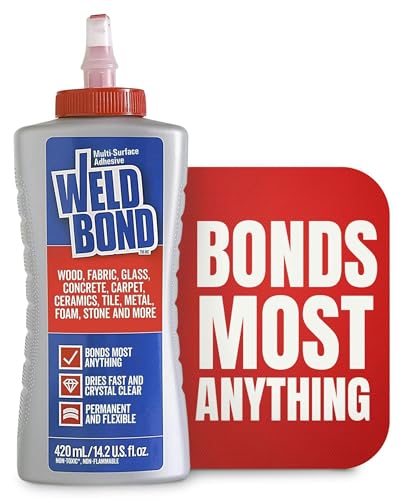
Weldbond Multi-Surface Adhesive 14.2 oz

Titebond III Wood Glue 4 oz

Titebond 4134 Extend Wood Glue 16 oz


BOTTRONY Clear Wood Glue Fast Drying
More Details On Our Top Picks
For general repairs, this DAP formula keeps things simple. The yellow color suits shop work where squeeze-out gets trimmed or sanded, and the 8 oz bottle is a sensible size for small furniture fixes and weekend projects.
You may find it especially handy for household touch-ups that do not call for fancy handling tricks. The honest read is that it feels like a straightforward glue, which is exactly what many basic woodworking jobs need.
Strong Points
- Simple format works well for everyday joinery and common repair tasks.
- 8 oz size keeps the bottle manageable on a crowded bench.
- Yellow tint can make glue line cleanup easier to spot.
- Good fit for hobbyists who want a plain, no-fuss adhesive.
Things To Consider
- It does not bring the extra resistance claims found on the Professional version.
- The yellow color may stand out on some light-finish projects.
- For large jobs, you may prefer a bigger bottle or a longer open time.
Core Details
Who It Suits Best
DIY homeowners and casual woodworkers who want a familiar, straightforward glue for repairs and light assembly will get the most from it.
A Better Fit Elsewhere
DAP Weldwood Professional Wood Glue fits you better for workshop projects that face more demanding exposure, since it adds stronger resistance claims.
This version keeps the same compact 8 oz format as the original DAP bottle, but the resistance claims give it a more work-ready edge. Water, heat, oil, grease, and paint solvents are all part of its stated profile, so it suits a garage bench or a shop that sees messier conditions.
For furniture repair and woodworking projects that face a rougher routine, that extra tolerance matters. You may still want to keep the bottle reserved for jobs where those stronger claims actually matter, because the added capability does not change the basic small-bottle format.
What We Like
- Broader resistance claims suit tougher workshop conditions.
- Same compact bottle size as the original version.
- Useful for furniture fixes that may meet moisture or heat.
- Good step up when you want more than a basic household adhesive.
Minor Gripes
- The 8 oz size still favors smaller jobs over large builds.
- Its extra capability only matters when your project actually faces those stresses.
- The yellow finish can remain visible on pale surfaces.
Feature Snapshot
Who Should Grab It
Woodworkers and handy homeowners who want a tougher DAP glue for repairs around a workshop or garage will benefit most.
Where A Sibling Pick Shines
DAP Weldwood Original Wood Glue is the simpler choice for plain household fixes where those extra resistance claims are more than you need.
This one moves beyond plain wood use and leans into craft-friendly versatility. The clear-drying profile matters in visible projects, especially on DIY decor, school projects, or mixed-material pieces where a yellow glue line would feel out of place.
Compared with the DAP bottles, it makes a little more sense for crafters than for traditional joinery. You may prefer it for small wood accents, ceramic pieces, or foam-based builds where a clean finish matters as much as grab.
Highlights
- Clear-drying finish helps keep visible projects tidy.
- Works across wood, paper, ceramic, foam, and general craft use.
- 8 oz bottle gives enough capacity for regular hobby work.
- Useful for school projects and mixed-media home crafts.
Room For Improvement
- It feels more craft-oriented than heavy woodworking focused.
- Visible projects still need careful placement to avoid mess.
- The bottle format is handy, but not as specialized as a dedicated joinery glue.
Details At A Glance
Made For
Crafters, classroom projects, and casual makers who want one adhesive for small wood pieces and mixed materials will appreciate it.
Look Elsewhere When
Titebond III Wood Glue is a better match for more traditional woodworking where water-resistant performance matters more than craft versatility.
This is the fast, thin adhesive in the group, so it behaves more like a precision tool than a broad shop staple. A 2 to 5 second cure claim points to quick work on woodturning details, inlays, hobby models, and CA finish tasks where you want the glue to move into tiny spaces fast.
The anti-clogging cap matters more than it sounds, because thin CA products can get messy around the opening. In a bench drawer or hobby kit, that small design detail helps keep the bottle easier to live with, though the speed also leaves less room for repositioning.
Best Bits
- Thin formula suits fine-grain work and small gaps.
- Very fast cure claim fits quick-turn bench tasks.
- Anti-clogging cap should help with cleaner storage and reuse.
- Clear finish works well for subtle repairs and hobby finishing.
Areas To Watch
- The rapid set leaves little time for adjustment.
- Thin CA glue demands careful handling to keep fingers clean.
- It is specialized, so it is not the broadest everyday wood glue here.
Quick Facts
Whose Shelf It Belongs On
Model builders, woodturners, and hobbyists who need a thin adhesive for precise, quick work will get the most from it.
Swap It Out When
Weldbond Multi-Surface Adhesive is the better fit for mixed-material projects where slower positioning and broader material use matter more.
Weldbond stands out because it tries to cover more than standard wood joinery. Furniture, woodworking, glass crafts, ceramic tile, and mosaic stone all appear in its stated use range, so it suits a workshop that mixes repairs with creative builds.
That wide reach can be a real convenience, though the trade-off is that you are choosing flexibility over a narrow, specialist feel. In a craft room or repair corner, that flexibility is valuable, and the 14.2 oz bottle gives you enough volume for a broader mix of jobs.
Reasons To Buy
- Broad surface compatibility reduces the need for multiple adhesives.
- Useful for furniture repair and craft work in the same toolkit.
- Larger 14.2 oz size supports repeat use.
- Good fit for mixed-material makers who want one versatile bottle.
Softer Spots
- Its wide-purpose nature means it is less specialized than a pure wood-only glue.
- The larger bottle takes more shelf space.
- For precision hobby work, a thinner CA style may feel more exact.
Feature Card
Best Suited To
DIYers who jump between furniture repair, decorative craft work, and mixed-material assembly will appreciate the range.
A Better Fit Elsewhere
DAP Weldwood Original Wood Glue is the cleaner choice for straightforward wood-only repair jobs that do not need this much versatility.
Titebond III is the serious woodworking option in a compact 4 oz bottle. The waterproof bonding claim makes it a stronger fit for projects that may see damp conditions, and the fast-drying gel format helps it move quickly from clamp-up to cleanup.
That gel consistency matters because it tends to stay where you put it a bit better than a thinner formula. For small furniture repairs, edge work, or a tight bench setup, it feels practical, though the smaller bottle means you will not want to reserve it for big assemblies.
Upsides
- Waterproof bonding claim suits tougher woodworking tasks.
- Fast-drying gel format helps reduce wait time.
- Strong fit for small repairs and general shop use.
- Compact bottle is easy to store in a tool bin.
Points To Note
- The 4 oz size is best for smaller jobs.
- Gel texture can feel different from thinner glues.
- Waterproof capability matters most on projects that actually face moisture.
Spec Overview
Right Fit For
Home woodworkers and repair-minded DIYers who want a compact glue with more rugged bonding claims will value it most.
Consider Something Else When
Titebond 4134 Extend Wood Glue is a better match for larger assemblies that need more working time before the bond sets.
This bottle makes sense for careful assembly work because the extend format is built around a longer usable window. For tabletop glue-ups, cabinet parts, or any project where alignment takes patience, that extra breathing room can feel like the whole point.
It also passes Type II water-resistance testing, which puts it in a useful middle ground between basic yellow glue and more specialized waterproof formulas. You may find it a better everyday shop bottle than the smaller Titebond III if your projects need time more often than they need the toughest resistance.
Bright Spots
- Extended working window helps with careful fitting.
- 16 oz size gives more material for repeated use.
- Type II water-resistance claim suits many indoor woodworking tasks.
- Good choice for assemblies that need patient alignment.
Small Caveats
- It is less compact than the 4 oz Titebond III bottle.
- The longer working time is helpful, but not necessary for quick repairs.
- Larger size can take more room in a small tool drawer.
Feature Rundown
The Right Fit
Careful woodworkers who want more open time for alignment and assembly will get the most from this bottle.
Another Choice May Suit
Titebond III Wood Glue 4 oz is the better compact option for smaller repair kits and tougher damp-use jobs.
This Titebond bottle is aimed at melamine work, and that narrow focus is the point. The white color helps it blend with pale surfaces better than a yellow glue, so it suits cabinetry, shelving, and office pieces where visible joints need a calmer look.
Compared with the broader glues in this list, it is the more specialized option. You may value that specialization most in workshop builds where surface color matters, though it is less versatile than Weldbond or Aleene’s for mixed-material jobs.
Positives
- White color blends more naturally with melamine surfaces.
- Large 16 oz bottle supports cabinetry and shelving work.
- Specialized use helps keep the adhesive choice focused.
- Useful for clean-looking indoor builds.
Worth Noting
- It is more specialized than the general-purpose options here.
- The white finish works best on pale materials.
- For dark hardwoods, another glue in this list may blend better.
Technical Sheet
Built With In Mind
Cabinet makers, office furniture builders, and anyone working with melamine surfaces will find the color and focus useful.
Where A Sibling Pick Shines
Titebond 4134 Extend Wood Glue suits broader woodworking projects better when you need extra assembly time rather than a surface-matching formula.
This model cement is for hobby work, not household carpentry. The small 5/8 oz format fits model-building benches well, and the instructions point toward careful, sparing application, which matters a lot at this scale.
The warning about clear parts is worth taking seriously, because this product is not meant for transparent pieces. That makes it a specialist tool for model builders, and the tiny bottle size keeps it in the same lane.
Strong Points
- Small bottle size suits hobby benches and model kits.
- Careful application guidance fits detailed assembly work.
- Works as a dedicated adhesive for small-scale builds.
Areas To Watch
- Not intended for clear parts.
- The tiny format is too specialized for most woodworking tasks.
- It asks for careful handling to avoid smudging where it should not go.
Core Details
Who Will Love This
Model makers and hobby builders who need a tiny, controlled adhesive for small assemblies will get the most from it.
Reach For A Different Pick When
LOOCTOT Thin Super Glue is the better fit for fine woodworking, inlays, and quick-set detail work outside the model bench.
BOTTRONY aims for the woodworker who wants a clear adhesive with a fast-drying profile. The listing points to furniture, flooring, hardwood, softwood, MDF, and DIY craft use, so it makes sense in home shops that bounce between repairs and small build-outs.
That broad material fit is useful, though the trade-off is that a clear, fast-bond formula can feel more specialized than a classic carpenter’s glue. For trim touch-ups, craft accents, or furniture repair where appearance matters, it has a sensible place on the shelf.
Highlights
- Clear finish helps on visible repair work.
- Fast-drying profile suits quick bench tasks.
- Listed for hardwood, softwood, MDF, furniture, flooring, and craft use.
- Good fit for projects where appearance matters as much as hold.
Minor Gripes
- It is more specialized than a plain yellow woodworking glue.
- Fast drying leaves less room for leisurely alignment.
- The clear formula still asks for careful cleanup on visible surfaces.
Feature Card
Who Should Grab It
Home woodworkers and DIYers who want a clear adhesive for visible repairs or mixed indoor projects will appreciate it most.
Skip It When
DAP Weldwood Professional Wood Glue is the better fit for tougher shop conditions where resistance to heat and solvents matters more than visual blending.
How To Choose The Right Wood Glues
Match The Glue To The Job
Wood glue works best when its set speed and bond style match the project in front of you. A fast CA glue, like LOOCTOT, suits inlays and small repairs, while a standard carpenter-style glue such as DAP Weldwood makes more sense for everyday joinery.
Open time matters too, which is the window you have before the glue grabs. Longer working time helps with cabinets, tabletops, and anything that needs careful alignment, while a quick-set formula is better for small parts that are already lined up.
Think About Surface And Finish
The visible look of the joint can matter as much as the strength. Clear-drying choices, like Aleene’s or BOTTRONY, help on craft pieces and exposed repairs, while yellow formulas are often easier to forgive on hidden shop joints.
Surface match matters as well, especially with melamine or pale boards. Titebond Melamine Glue makes more sense there than a general-purpose bottle, since the white color blends more naturally with light surfaces.
Choose Resistance For Real Conditions
Moisture resistance is a practical filter, not a marketing flourish. Titebond III and Titebond 4134 Extend both lean toward tougher use, which makes them stronger options for furniture, cabinets, and indoor projects that may see damp conditions.
For a dry workbench or simple household fix, that level may be more than you need. The better move is to pay for resistance only when the project, room, or finish really asks for it.
Balance Bottle Size And Control
Small bottles are easier to store and less tiring to handle, which is why 4 oz and 5/8 oz options fit repair kits and hobby benches so well. Larger bottles make more sense for repeat use, especially on shelves, cabinetry, or mixed-material projects that burn through adhesive faster.
Control matters as much as volume. A thin CA glue can reach tiny gaps quickly, but it leaves little room for adjustment, while a gel-style formula stays a little calmer during application.
Things Worth Knowing First
Common Shopping Slip Ups
One frequent mistake is choosing a glue for the label instead of the material. A hobby cement like Testors belongs on model parts, not furniture joints, and a multi-surface adhesive is not always the cleanest answer for plain wood assembly.
Another easy miss is ignoring drying behavior. Fast formulas save time, but they can make alignment stressful, while slower options reward careful clamps and patient setup.
The Upgrade Payoff
Higher-tier glues usually cost more because they add narrower specialty, stronger resistance claims, or more controlled formulas. That extra spend can matter in a damp basement shop, a cabinetry build, or any job where the bond and finish both need to hold up.
For simple repairs, basic glue often does enough. The upgrade makes sense once the project is larger, more visible, or more exposed to real-world wear.
Frequently Asked Questions
What makes a wood glue different from a craft adhesive?
Wood glue usually focuses on timber-to-timber bonding and woodworking cleanup. Craft adhesives often handle a wider mix of materials, which helps on school and decor projects.
Do you need waterproof glue for indoor furniture?
Not always, because a dry living room or bedroom does not demand the strongest resistance level. Waterproof or water-resistant glue becomes more useful in kitchens, bathrooms, garages, or outdoor-adjacent spaces.
Is a fast-drying glue better for every repair?
No, because speed removes your margin for adjustment. Fast set helps with tiny parts, while slower glue is easier for cabinets, shelves, and any joint that needs careful alignment.
Why does glue color matter?
Color affects how visible the joint looks after cleanup. Clear formulas help on exposed craft work, while yellow or white blends can make sense depending on the surface tone.
Can one glue cover all wood projects?
A single bottle can handle a lot, but it rarely fits every job equally well. A basic yellow glue, a fast CA glue, and a specialty formula each solve different problems.
Final Thoughts
The best wood glue for you depends on how the project lives, not just what it’s made of. A small repair kit, a kitchen cabinet touch-up, and a model bench all call for different behavior from the bottle. DAP, Titebond, Weldbond, Aleene’s, LOOCTOT, Testors, and BOTTRONY each fill a clear role here. Pick the formula that matches your surface, your pace, and the kind of finish you want to see afterward.