You want clean edges, flatter boards, and less sanding without overspending on the tool itself. That usually means choosing between pocket-size hand planes, corded handheld planers, and a benchtop thickness planer that fits a small shop. This roundup keeps the focus on practical use, so you can match the tool to trim work, furniture touch-ups, or heavier stock removal.
Quick Look At The Shortlist
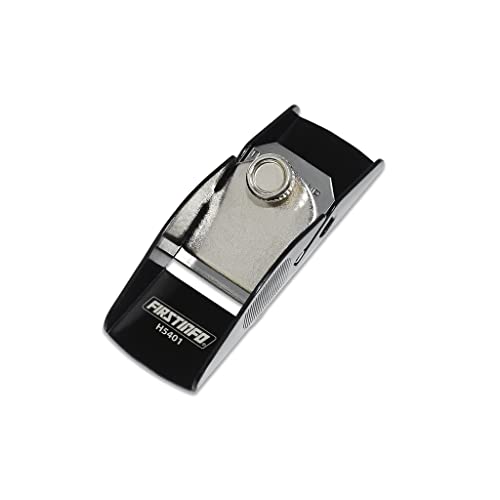
FIRSTINFO Mini Woodworking Hand Plane H5401

Makita KP0800K 3-1/4 Inch Planer (Blue)

CRAFTSMAN CMEW300 Hand Planer 6-Amp
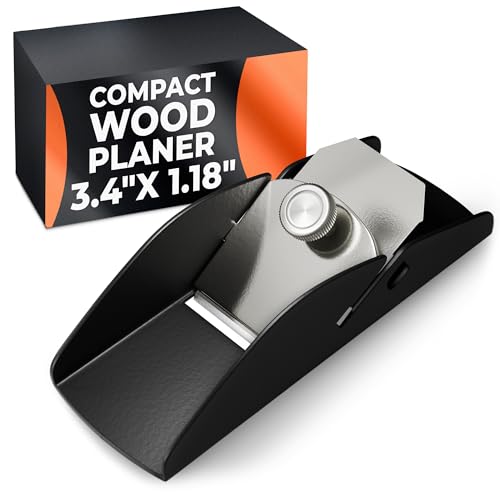
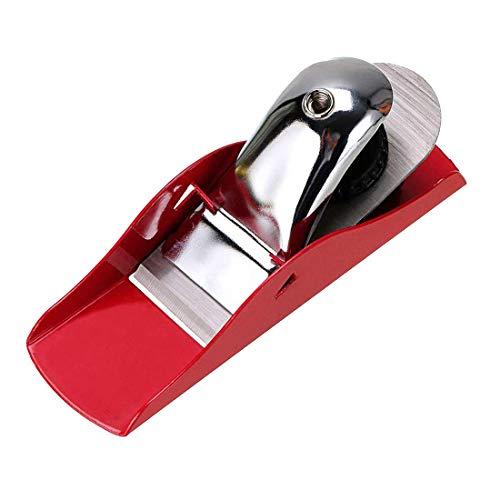
DSHE Mini Hand Planer Small Trimming Planer
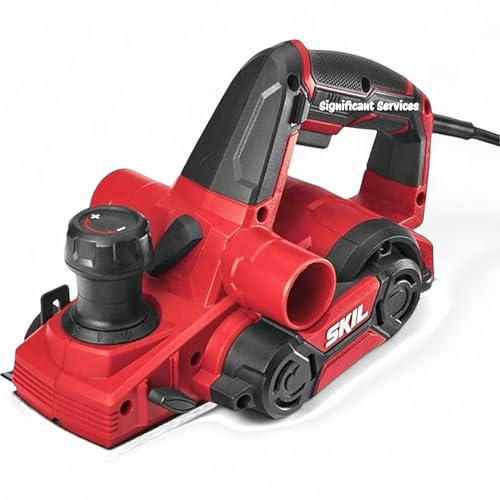
SKIL PL201201 6.5 Amp Electric 3-1/4 Inch Corded Planer


JORGENSEN NO.60-1/2 6-1/4 Inch Wood Planer

DNTI 6.6-Amp Corded Electric Handheld Planer 58218

VEVOR Thickness Planer Two-Blade 13 Inch Benchtop Planer
More Details On Our Top Picks
The little FIRSTINFO plane makes sense for trim work, chamfers, and cleanup along tight edges where a larger body just gets in the way. Its 3.38 x 1.14 x 0.94 inch footprint keeps it easy to carry in a tool bag, so you can handle quick fixes on a site visit or at a small bench without hauling a bigger tool.
That tiny size is the point, and it also sets the limit. You gain control and portability, but you give up the comfort and speed that a full handheld planer offers, like the Makita KP0800K or SKIL PL201201.
Strong Points
- Small body slips into tight tool storage.
- Light weight helps with short trim passes.
- Handy for chamfering edges on small parts.
- Easy to keep nearby for quick touch-ups.
Things To Consider
- Best for light jobs, not heavy stock removal.
- Small size can feel less steady on long strokes.
- Blade care matters, since tiny planes show wear quickly.
Feature Card
Who Should Grab It
Home tinkerers and craft-focused woodworkers who need a pocket-size plane for trimming and smoothing get the most from it.
Another Choice May Suit
The JORGENSEN NO.60-1/2 works better for you if you want a more traditional low-angle block plane with a larger hand feel.
After the pocket-size FIRSTINFO, this Makita moves into true handheld planer territory with a 3-1/4 inch cutting path. That width matters on door edges, framing lumber, and shop stock because you cover more surface per pass, and the included tool case helps keep the kit together between jobs.
For a busy garage or jobsite, that extra reach feels practical rather than flashy. The trade-off is simple, you carry more tool than the mini planes above, so it makes the most sense where speed and cleaner passes matter more than ultra-small storage.
What We Like
- 3-1/4 inch cut width speeds ordinary planing jobs.
- Tool case keeps the setup organized for transport.
- Blue housing is easy to spot in a packed kit.
- Well suited to repeated edge cleanup work.
Points To Note
- Needs more storage room than mini hand planes.
- Better for regular planing than delicate craft pieces.
Technical Sheet
Best Suited To
You get the most from it as a homeowner, remodeler, or regular DIY user who wants a dependable corded planer for routine work.
Skip It When
The FIRSTINFO Mini Woodworking Hand Plane H5401 makes more sense for tiny trim jobs where a full power planer would feel oversized.
The CRAFTSMAN brings a familiar six-amp corded format, which is a good middle ground for garage work, door trimming, and routine board cleanup. It sits between the smaller Makita and the heavier-duty SKIL and DNTI options, so you get a more general-purpose feel without drifting into oversized shop gear.
That balance suits weekend renovation work especially well. One thing worth considering, though, is that the listing leaves less detail visible than some rivals, so you’re choosing by brand confidence and use-case fit more than a long spec sheet.
Plus Points
- 6-amp setup fits common household planing tasks.
- Corded design supports longer work sessions.
- Good middle ground between light and heavy picks.
Room For Improvement
- Source details are thinner than several rivals here.
- Less clearly positioned for specialty or precision-only work.
- Corded setup asks for nearby outlet access.
Spec Overview
Right Fit For
You’ll appreciate it most as an all-around home workshop planer for general trimming and smoothing tasks.
Look Elsewhere When
The SKIL PL201201 is the sharper step up for you if stronger cutting pace matters more than a plain middle-ground setup.
The NADOBA takes a manual, stainless-steel route, so it feels aimed at controlled trimming instead of fast material removal. Its compact 3.4 x 1.18 x 0.78 inch body, rounded edges, and adjustable blade setup make it a tidy fit for a home bench, and the slim shape helps in spots where a bulkier power tool would be awkward.
That also means the tool asks more from your hands and your setup. For light shaping and occasional workshop use, it’s neatly sized, but for larger projects you’ll probably want something like the Makita or VEVOR once the work turns repetitive.
Highlights
- Stainless-steel build gives it a cleaner, sturdier feel.
- Adjustable blade helps you fine-tune the cut.
- Rounded edges are kinder in hand during longer sessions.
- Small body suits shelves, drawers, and compact benches.
Softer Spots
- Manual use takes more effort than powered planers.
- Best for light finishing rather than rough stock removal.
- Blade upkeep matters for smooth results.
Details At A Glance
Built With In Mind
This suits home workshops, hobby benches, and occasional repair work where a small manual plane makes sense.
Where A Sibling Pick Shines
The DSHE Mini Hand Planer Small Trimming Planer fits better for craft and model work because its layout is aimed more directly at tiny trimming jobs.
The DSHE is built around fine trimming, and the listing leans hard into DIY, crafts, repairing wood furniture, and model-making use. That makes it a strong match for detail work at a small bench, where a 6-1/2 inch pocket format and 1 inch blade are easier to guide than a larger electric planer.
Compared with the NADOBA, this one reads more like a purpose-made pocket tool for edge cleanups. The honest read is that it works best where control matters more than speed, so it fits hobby work better than bigger renovation tasks.
Reasons To Buy
- Good match for edge trimming and craft work.
- Small format is easier to store in a drawer.
- Adjustable block-plane setup supports fine control.
- Useful for furniture repair and model building.
Small Caveats
- Manual trimming takes time on larger boards.
- More suited to detail jobs than rough leveling.
- Blade care and cleaning matter after regular use.
Core Details
Whose Shelf It Belongs On
You’ll like it most for hobby benches, repair kits, and small woodworking projects that need careful edge work.
Not Your Match When
The CRAFTSMAN CMEW300 is the better fit for broader home remodeling because it brings a more general-purpose powered layout.
The SKIL brings more drive than the earlier CRAFTSMAN, and the 6.5 amp motor paired with a 3-1/4 inch path puts it squarely in serious handheld territory. For door fitting, surface cleanup, or any job where you want to move through material faster, that extra muscle is the main reason to look here.
It makes sense for a home shop that sees regular use and values pace over tiny size. You’ll give up the easy portability of the mini planes, yet the payoff is a more efficient tool for larger boards and repeated passes.
Best Bits
- 6.5 amp motor gives it a stronger work pace.
- 3-1/4 inch width handles common board sizes well.
- Good fit for repeated surface cleanup.
- Useful where speed matters more than compact storage.
Areas To Watch
- Heavier-duty style takes more space in storage.
- Less handy for tiny craft pieces.
- Corded setup still depends on outlet access.
Feature Rundown
Made For
This fits DIYers and home renovators who want a more serious corded planer for regular use.
Swap It Out When
The FIRSTINFO Mini Woodworking Hand Plane H5401 is smarter for you when storage space is tight and the job is small.
Unlike the broader planers above, this JORGENSEN is tuned for edge corners, chamfers, and flattening the meeting point of two surfaces. The four cutter heads and onboard storage space make it feel organized for repeat edge work, especially in a bench setup where you want one tool to handle several corner-shaping tasks.
That specialization is its strength and its limit. For trim and corner work it feels smart, but for wide boards or general stock removal you’d still reach for the Makita, SKIL, or VEVOR.
Bright Spots
- Four cutter heads give you multiple edge-shaping options.
- Storage space keeps accessories close at hand.
- Useful for chamfers, corner cleanup, and flattening edges.
- Good fit for focused woodworking stations.
Honest Caveats
- Best at edges, not broad surface planing.
- Specialized shape narrows its everyday use range.
- Small parts deserve careful cleaning after use.
Feature Snapshot
The Right Fit
You’ll get the most from it in a carpentry bench or detail shop where edge finishing is a regular task.
Reach For A Different Pick When
The VEVOR Thickness Planer suits you better for large boards and thickness control, since that machine is built for bigger stock.
The NO.60-1/2 sits in the more traditional block-plane style, and the low-angle design plus adjustable mouth point toward controlled trimming and clean finish work. Ductile iron in the body brings a more substantial feel than the lighter manual picks, which helps it appeal to woodworkers who like a tool with some heft in hand.
That adjustable mouth is a useful detail because it lets you tighten or open the blade opening depending on the job. For trimming, craft work, and small planing tasks, it feels more deliberate than the pocket planes, though it asks a little more from your setup and sharpening routine.
Upsides
- Low-angle format supports smoother trimming passes.
- Adjustable mouth adds useful cut control.
- Ductile iron body gives it a sturdy feel.
- Good fit for detail-minded woodworkers.
Worth Noting
- More specialized than general-purpose handheld planers.
- Manual setup takes more attention than electric tools.
- Heavier body may feel less nimble for some hands.
Core Details
Perfect Match For
You’ll appreciate it most as a careful hand tool for fine woodworking, trim fitting, and craft projects.
Where Another Pick Suits Better
The Makita KP0800K is a better fit for you when you want a corded planer that moves faster across wider boards.
The DNTI pushes into the more powered side of the category with a 6.6 amp motor and 17,000 rpm no-load speed. That kind of spec profile points to quicker cleanup on wood, chamfers, and DIY shaping, and the 3-1/4 inch cut width keeps it in the same useful size band as the Makita and SKIL.
For workshop owners who want a corded planer that feels ready for regular surface work, it has a sensible shape. The trade-off is the usual one for this class, more power and pace mean a little less friendliness for ultra-small projects than the pocket planes above.
Standout Traits
- 6.6 amp motor gives it strong cutting capacity.
- 17,000 rpm supports quick handheld planing.
- 3-1/4 inch width suits common stock sizes.
- Good fit for DIY cleanup and chamfering.
Minor Gripes
- Corded setup keeps you near power access.
- More tool than you need for tiny detail jobs.
- Powered planers usually ask for more cleanup after use.
At A Glance
Who It Suits Best
This fits DIY remodelers and shop users who want a faster corded planer for ordinary board cleanup.
Look Elsewhere When
The DSHE Mini Hand Planer Small Trimming Planer is the gentler fit for very small craft parts and fine edge work.
This VEVOR is the clear step away from handheld tools and into benchtop stock sizing. A two-blade cutter, 13 inch worktable width, 15-amp motor, and 12 inch extended infeed table point to a machine meant for larger boards, and that makes it the right kind of tool for a small shop that handles repeated thickness work.
The extra mass and table space are what separate it from the hand planes above. For bigger boards and more frequent material removal, that pays off, though it also means you need more room, more setup space, and a more permanent spot in the workshop.
Positives
- 13 inch worktable handles wider stock than handheld picks.
- Two-blade design suits repeat shop use.
- 12 inch infeed table supports steadier board feeding.
- 15-amp motor points to stronger bench-level output.
- Good choice for a dedicated woodworking station.
Areas To Watch
- Takes much more space than the handheld planers.
- Feels better in a fixed shop than in a spare corner.
- Set-up and cleanup are naturally more involved.
Technical Sheet
The Right Fit
You’ll like it most in a garage shop or dedicated workroom where thickness control matters more than portability.
Where A Sibling Pick Shines
The SKIL PL201201 makes more sense for you if you want a corded handheld planer that stays easier to move around the house.
How To Choose The Right Wood Planer Under 500
Match The Tool To The Kind Of Work
The first split is simple: hand plane, corded handheld planer, or benchtop thickness planer. Pocket and block planes make sense for trimming doors, knocking down sharp edges, and fitting small parts, while handheld electric planers are better for broader cleanup on boards and framing. A thickness planer belongs in a shop where you want to bring rough stock to a more even thickness over and over.
The tool that feels “best” depends on the task in front of you, not the most power on paper. A compact manual plane can be perfect for chair parts or craft boards, while the VEVOR makes more sense for lumber that needs repeat passes. That’s the trade-off you want to get right before anything else.
Pay Attention To Width, Weight, And Control
Cut width tells you how much wood you can cover per pass, and that matters more than it sounds. A 3-1/4 inch handheld planer can move through common boards efficiently, while a tiny block plane gives you control in corners and tight spaces. Weight matters too, because a heavier body can feel steadier on a long pass but less friendly for detail work.
Control is where many woodworkers make the better decision. Adjustable mouths, blade settings, and handle shape can matter as much as raw motor size, especially on trim jobs where one careless pass shows up fast. For small shop setups, a tool that feels secure in hand usually earns more use than a louder, stronger one that feels awkward.
Think About Storage, Setup, And Maintenance
Storage matters more in real homes than spec sheets admit. A tool case, a pocket-size body, or a benchtop machine with a fixed spot all solve different space problems, and you’ll feel that choice every time you put the tool away. In a cramped garage, smaller tools are easier to live with.
Maintenance is part of the category, too. Hand planes need blade care and a clean sole, while powered planers ask for more routine cleanup around the cutter area and feed path. For most DIY use, the better choice is the one you can keep ready without making each project feel like a setup chore.
Choose Power Only Where It Pays Off
More amps and more table size are useful, but they only matter when your work needs them. A six-amp or 6.5 amp handheld planer suits repeated household jobs, and the upgrade to a benchtop thickness planer makes sense once you’re handling stock in larger batches. For occasional trim, extra muscle can become extra weight you do not need.
The better spending decision usually comes from volume and material size. Occasional hobby work leans toward the mini hand planes, regular renovation leans toward Makita, CRAFTSMAN, SKIL, or DNTI, and a dedicated shop leans toward VEVOR. That kind of match keeps the tool useful instead of impressive.
What To Weigh Before You Click Through
Mistakes Worth Dodging
One common miss is buying too much tool for tiny work. A benchtop planer can be fantastic in a shop, but it’s the wrong shape for quick edge cleanup or a hallway repair. Another easy slip is ignoring the blade type and body size, which leads to awkward handling on the first real project.
Storage gets overlooked too. A compact hand plane can live in a drawer, while a larger electric planer needs its own spot and a little more care after use. For small homes and shared garages, that difference becomes obvious fast.
When Paying More Pays Off
Higher-tier planers usually cost more because of motor power, wider capacity, sturdier bodies, and better support for repeated use. That matters most in a workshop that sees weekend projects turn into full remodels, or in a setting where you keep reaching for the tool every few days.
Extra money also tends to buy smoother handling and less compromise. A corded planer with a wider cut path, or a thickness planer with a longer infeed table, can save time across a stack of boards. For occasional small trim work, though, the upgrade may be more tool than you need.
Frequently Asked Questions
What kind of planer works best for small trim jobs?
A mini hand plane or low-angle block plane usually fits best. You get more control around edges, chamfers, and small furniture repairs.
Is a corded planer better than a manual hand plane?
Neither is better for every task. Corded models move faster on wider boards, while manual planes give you finer control on detail work.
What size planer makes sense for a home workshop?
A 3-1/4 inch handheld planer fits many home projects well. A benchtop thickness planer makes sense once you start working with larger stock more often.
Why do some planers have adjustable mouths?
An adjustable mouth changes the opening in front of the blade. That helps you tune the cut for smoother trimming or more open clearance, depending on the job.
How do you keep a hand plane in good shape?
Wipe it down after use and keep the blade sharp and clean. A plane that gets stored dry and cared for properly usually stays easier to guide.
Closing Thoughts
The right Wood Planer Under 500 depends on the work in front of you, not the loudest spec on the page. Small hand planes suit trim and detail work, handheld electrics handle broader cleanup, and the VEVOR belongs in a shop where thicker stock needs regular attention. Once you match the tool to your projects and your storage space, the whole category gets easier to narrow down. Choose the one that fits the way you already work, and the rest tends to fall into place.