Woodworking gets easier when your planer or hand tool matches the task instead of fighting it. Some jobs call for fast stock removal, others need edge cleanup, chamfering, or a light touch on trim. This roundup keeps those use cases separate so you can match the tool to your bench, your pace, and the kind of finish you expect.
Quick Look At The Shortlist

boeray Adjustable Flat Spokeshave Set
Bosch PL1632 3-1/4 In. Planer
FIRSTINFO Mini Woodworking Hand Plane H5401

NECAMOCU Edge Banding Trimmer

Makita KP0800K 3-1/4 In. Planer

Saker Chamfer Plane with Auxiliary Locator

BOSCH PL2632K 3-1/4 In. Electric Hand Planer Kit

Makita 2012NB 12 In. Portable Planer
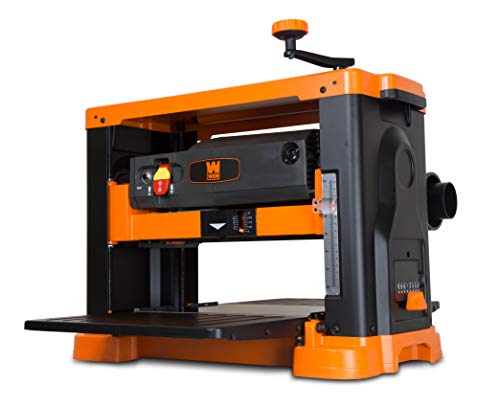
WEN PL1326 13-Inch Spiral Thickness Planer

CRAFTSMAN Benchtop Jointer CMEW020
More Details On Our Top Picks
Hand shaping asks for control, and this set leans into that with a spokeshave-style format that suits curved parts, flat cleanup, and trim work. The included blades and compact handle setup make more sense for carpenters and wood crafters than for heavy stock removal, which keeps it nicely focused.
You may find it especially useful on PVC, laminate, or plywood edges where a lighter pass matters more than brute force. Compared with the powered planers later in this roundup, this is the quieter, more deliberate path for detail work.
Strong Points
- Works across curved and flatter surfaces without feeling overly specialized.
- Compact hand tool size makes storage and transport easy.
- Multiple blades give you backup options for routine edge work.
- Ergonomic handle shape should help keep hand fatigue in check during longer sessions.
Things To Consider
- Manual control means slower progress than an electric planer.
- Blade upkeep matters, so sharpening and cleaning become part of ownership.
- It suits shaping and cleanup more than rough dimensioning.
Core Details
Who It Suits Best
Wood crafters, furniture detailers, and hobbyists who work on curved parts will get the most from it.
Where A Sibling Pick Shines
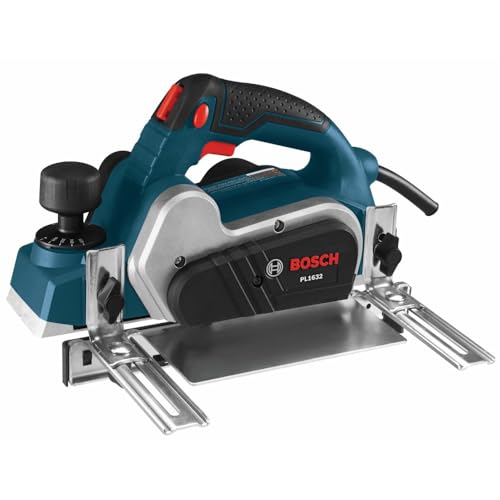
Bosch PL1632 3-1/4 In. Planer suits you better for wider trim jobs or faster material removal.
That 3-1/4-inch cutting width makes this a practical handheld planer for door edges, joists, shelving edges, and other common trim corrections. It fits the kind of weekend shop work where you want a manageable tool rather than a bulky machine.
The honest read is that it sits in the middle ground, which is often the sweet spot for home projects. Compared with the boeray hand set, it handles broader wood removal in a more direct way, though you give up the fine tactile feel of a manual shave.
What We Like
- Handheld format keeps it useful for site work and around-the-house fixes.
- 3-1/4-inch width suits common trim and board cleanup tasks.
- Compact body is easier to store than a benchtop machine.
- A good match for occasional remodel work where space is tight.
Room For Improvement
- Handheld planers still demand careful handling to keep surfaces even.
- You may need to plan around power cord reach in larger work areas.
- Best results depend on steady passes rather than rushing the cut.
Feature Snapshot
Made For
Home improvers and casual shop users who need a straightforward planer for routine cleanup will get along with it.
A Better Fit Elsewhere
Makita 2012NB 12 In. Portable Planer suits you better for thicker batches of lumber and more stationary shop work.
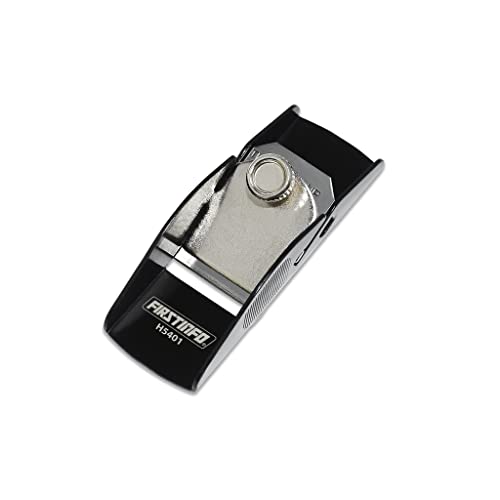
Small block planes like this one earn their keep on quick touch-ups, edge chamfers, and cleanup jobs that don’t justify a bigger machine. Its tiny footprint, 3.38 by 1.14 by 0.94 inches, makes it easy to drop into a tool pouch or tuck beside a saw.
That kind of size matters more than it sounds, especially on job sites or in cramped garages where every inch of bench space counts. Compared with Bosch PL1632 3-1/4 In. Planer, this is far less about speed and more about finesse in tight spots.
Highlights
- Very small body is easy to carry with hand tools.
- Good fit for trimming, smoothing, and light chamfering.
- Hand plane format keeps you close to the work surface.
- Useful as a secondary tool in a crowded kit.
Small Caveats
- Mini size means slower coverage on larger boards.
- Hand sharpening and blade care still matter.
- Best suited to detail work rather than heavy correction.
Technical Sheet
Best Suited To
Detail-minded woodworkers and trim installers who need a tiny finishing plane will appreciate this format.
Skip It When
Makita KP0800K 3-1/4 In. Planer makes more sense for bigger cleanup jobs and steadier material removal.
Edge banding work can get fussy fast, so a trimmer built for cleaner cuts earns attention right away. This NECAMOCU model leans on a thicker blade, broader cutting edge, and sturdier screws, which points to steadier trimming and less wobble during repeat passes.
For veneer, laminate, PVC, and wood edge cleanup, that kind of control matters more than flashy extras. Compared with FIRSTINFO H5401, this one is less about portable all-purpose shaping and more about finishing the edge banding stage cleanly.
Upsides
- Purpose-built for edge banding cleanup.
- Reinforced blade setup should feel steadier in use.
- Works across veneer, laminate, PVC, and wood surfaces.
- Small tool size keeps it handy for bench-side work.
Areas To Watch
- Dedicated banding tools have a narrow job profile.
- Cleaning resin or adhesive buildup is part of routine care.
- Precision depends on keeping the tool aligned with the edge.
Details At A Glance
Whose Shelf It Belongs On
Cabinet installers and veneer finishers who spend time on banded edges will get the most value from it.
Another Choice May Suit
Saker Chamfer Plane with Auxiliary Locator makes more sense for shoppers who want guided corner beveling instead of banding cleanup.
A planer that comes with a tool case usually makes more sense for frequent transport, and that’s the appeal here. The 3-1/4-inch format keeps it close to Bosch PL1632 in size, but Makita’s packaging and long-term shop storage feel more polished for someone moving between sites.
For remodel work, door trimming, and cleanup on framing lumber, the familiar handheld shape is easy to fit into a working rhythm. One thing worth considering is that a portable planer still asks for careful pass control, especially on hardwood edges.
Bright Spots
- Tool case helps protect the planer during transport and storage.
- Portable format is easy to keep near the project.
- Useful for common job-site trimming tasks.
- Blue finish gives it a straightforward, familiar shop presence.
Points To Note
- Handheld planers still reward steady technique more than speed.
- The case adds bulk to the carry package.
- Best for trim work, not wide benchtop flattening.
Core Details
Right Fit For
Contractors, remodelers, and active DIYers who move tools often will appreciate the case-based setup.
Swap It Out When
WEN PL1326 13-Inch Spiral Thickness Planer suits you better for heavier board sizing in a fixed shop.
Corner flattening and chamfering become much easier to control when the tool includes an auxiliary locator, and that’s the main reason this Saker model stands out. It is built for quicker edge trimming, not broad surfacing, so the strength is in repeatable bevels along boards, shelving, and frame parts.
Compared with NECAMOCU’s edge banding trimmer, this pick feels more suited to shaping corners than finishing veneered edges. The six cutter heads also give it more range than a plain single-purpose hand chamfer tool, which is handy in a mixed home shop.
Reasons To Buy
- Auxiliary locator helps guide corner work.
- Combination upgrade with six cutter heads broadens use.
- Good match for edge trimming and chamfering tasks.
- Small footprint keeps it easy to store beside other hand tools.
Worth Noting
- Guided tools still need careful setup on each pass.
- Most useful for edge work rather than large board shaping.
- Multiple heads can mean a little more parts management.
Feature Rundown
The Right Fit
Detail-oriented woodworkers who want guided chamfering for corners and small edges will get the most from it.
Look Elsewhere When
BOSCH PL2632K 3-1/4 In. Electric Hand Planer Kit is the better match for faster handheld material removal.
This kit format signals a tool meant to do real work, not sit idle on a shelf. The 3-1/4-inch cutting width keeps it in the same practical lane as the Bosch PL1632 and Makita KP0800K, but the kit packaging gives you a more ready-to-go setup for regular use.
For renovations, door tuning, and board edge cleanup, that kind of convenience matters. You may find it especially useful in a garage shop where tools get moved around and set up often, because a full kit reduces the odds of missing pieces.
Standout Traits
- Kit layout makes ownership simpler for organized shop storage.
- Handheld design suits a wide range of trim corrections.
- 3-1/4-inch width keeps it versatile without feeling oversized.
- Good fit for repeated DIY and remodeling sessions.
Honest Caveats
- Still a handheld tool, so pass control matters.
- Kit pieces can take up more storage room than a bare tool.
- Heavy stock removal still favors a benchtop machine.
Spec Overview
Built With In Mind
Home renovators and serious DIYers who want a ready-to-use handheld planer kit will find a strong fit here.
Where A Sibling Pick Shines
Makita 2012NB 12 In. Portable Planer suits you better for fixed-shop thickness work on longer stock.
A 12-inch portable planer sits in a very different lane from the handheld tools above, because it is meant for board sizing rather than touch-up work. That larger capacity makes sense for small shops that need consistent thicknessing on lumber that would otherwise take too many passes by hand.
The trade-off is obvious, and that’s fine, since the machine is built for a more fixed workflow. Compared with BOSCH PL2632K, this is the better fit for repeated stock prep, but it also asks for dedicated space and a more deliberate setup.
Best Bits
- 12-inch format is well suited to portable thicknessing tasks.
- Useful for small shops that mill material often.
- More efficient than handheld planers for repeat board prep.
- Portable design leaves room for tighter workshop layouts.
Points To Note
- Needs more bench or floor space than a handheld planer.
- Best for thicknessing, not edge shaping.
- Transport and storage take more planning than with smaller tools.
Quick Facts
Perfect Match For
Small-shop woodworkers who need portable thicknessing capacity will appreciate this machine.
Reach For A Different Pick When
WEN PL1326 13-Inch Spiral Thickness Planer suits you better if you want a benchtop setup with a spiral cutter path.
Spiral cutter planers earn interest because the cutter path changes how the machine works through stock, and that often appeals to woodworkers who process boards in batches. This WEN benchtop unit gives you a 13-inch class machine with a 15-amp motor, which points to a more committed shop role than the handheld Bosch and Makita picks.
For regular thicknessing, that extra size helps the workflow feel less cramped. The honest read is that it suits a fixed workspace better than a portable garage setup, so you should want a table or stand that can stay put.
Positives
- 13-inch width supports board sizing in a home shop.
- Spiral cutter style suits users who prefer a different cutting pattern.
- 15-amp power rating signals a more serious benchtop role.
- Good fit for repeated thickness work on batches of lumber.
Softer Spots
- Benchtop planers ask for dedicated workspace.
- Heavier setup is less flexible than portable machines.
- Maintenance and dust cleanup matter more with regular stock milling.
Core Details
Who Should Grab It
Home shop woodworkers who mill stock often and want a benchtop thickness planer will benefit most.
Not Your Match When
FIRSTINFO H5401 is the better fit for tiny touch-up jobs and pocketable portability.
A benchtop jointer fills a different role than a planer, because its job is to straighten and prepare board edges for cleaner joins. With a 10-amp corded design and up to 22,000 cuts per minute, this CRAFTSMAN model points toward frequent edge work in a steady shop setup.
That makes it a strong companion to the WEN thickness planer, since the two tools solve different parts of board prep. The trade-off is that a jointer asks for another dedicated station in your workspace, so it suits woodworkers who already plan around bench equipment.
What We Like
- Useful for straightening edges before assembly.
- 10-amp corded power fits steady shop routines.
- High cut rate supports efficient edge prep.
- Works well as part of a larger bench-tool setup.
Minor Gripes
- Needs bench space that smaller hand tools do not.
- Best suited to edge work rather than thickness reduction.
- Corded setup limits placement compared with hand planes.
Feature Card
Who Will Love This
Shop woodworkers who need regular edge straightening before glue-ups and panel work will get the most from it.
Consider Something Else When
BOSCH PL2632K 3-1/4 In. Electric Hand Planer Kit suits you better for portable trimming and site-side corrections.
How To Choose The Right Wood Planers
Match The Tool To The Task
Hand planes, handheld planers, thickness planers, and jointers all solve different problems. A block plane or spokeshave handles shaping and touch-up work, while a 3-1/4-inch electric planer helps with trim, doors, and board edges, and benchtop machines take over once you need repeatable stock sizing.
The wrong match usually shows up as either too much tool or not enough tool. A tiny hand plane feels graceful on chamfers, but it will frustrate you on a warped board, while a benchtop planer is overkill for a quick cabinet edge.
Think About Space And Mobility
Portable tools earn their keep in garages, on job sites, and in shared workspaces. They store easily and move fast, which matters a lot when your projects shift from room to room.
Benchtop machines reward a more permanent setup. They take more room, but they also let you process lumber in a steadier routine, which helps once your projects get larger or more repetitive.
Pay Attention To Control And Finish
Cut width, cutter style, and guide features all change how predictable the tool feels. Spiral cutter planers often appeal to woodworkers who want a different cutting path, while auxiliary locators and comfortable handles help keep edge work steady.
For finishing quality, control usually matters more than raw speed. A tool that lets you take lighter, cleaner passes can save sanding later, which is a real advantage in a visible project.
Pick For Your Own Workflow
A weekend DIYer often does better with one handheld planer and one small hand tool than with a full benchtop setup. A small shop that mills lumber regularly may want both a thickness planer and a jointer, because each one handles a separate step.
Maintenance matters too, especially with blades, dust, and storage. A planer you can keep clean and aligned will usually feel easier to live with than a more powerful tool that turns into a chore.
A Quick Reality Check
Common Shopping Slip Ups
A lot of people focus on motor size and forget the actual job. That leads to oversized machines for tiny trim tasks, or tiny hand tools for lumber that really needs a benchtop pass.
The better move is to start with the surface you want to change, then work backward from there. Edge banding, chamfering, flattening, and thicknessing all call for different shapes of tool.
What The Higher Tier Buys
More expensive planers usually give you more capacity, more consistent cutters, or a sturdier setup for repeated use. You’re paying for smoother workflow and less fuss around board prep, not just for a bigger shell.
That upgrade makes sense once your projects move past occasional touch-ups. A fixed shop that mills stock often benefits more from a thicker, broader machine than a casual garage setup ever will.
Frequently Asked Questions
Are hand planes and electric planers the same thing?
No, they solve different problems. Hand planes give you precision and feel, while electric planers handle faster material removal.
Do you need a jointer before a thickness planer?
A jointer helps square an edge, and a thickness planer brings boards to a consistent thickness. Many shops use both because they handle different steps.
What size planer works for home projects?
A 3-1/4-inch handheld planer suits a lot of trim and repair work. A benchtop machine makes more sense once you start sizing lumber often.
Are smaller hand planes worth keeping?
Yes, especially for chamfers, corners, and small surface corrections. They save time on detail work that would be awkward with a larger machine.
Is spiral cutter design better for every shop?
Not for every shop, because it depends on how you work and what you value. It makes sense for woodworkers who process boards regularly and want a different cutter style.
Closing Thoughts
Your best wood planer is the one that fits the job in front of you, not the loudest machine in the shop. Small hand planes shine on detail work, handheld electric models cover common trim corrections, and benchtop machines earn their space when you start milling lumber on a routine basis. Match the tool to your projects, your workspace, and how often you plan to use it, and the choice gets much simpler.