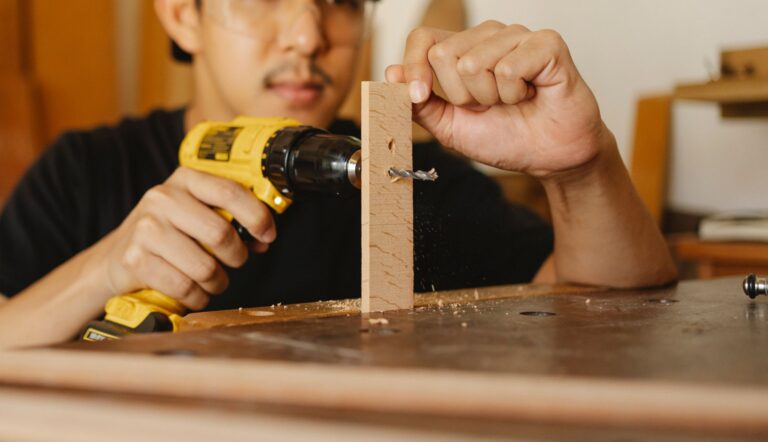
At the tip, the cutting diameter defines drill bit size, not the full length or the width of the shank. That number tells you the hole size, whether you are matching a screw, an anchor, or a tap drill size.
This guide covers the charts, labels, and size systems that make drill bit selection less confusing for anyone drilling pilot holes, setting anchors, or matching hardware.
What Drill Bit Size Really Measures
The number stamped on a bit tells you the diameter it cuts, and that diameter controls fit. The shank only holds the bit in the chuck, so a reduced-shank bit can look smaller at the back than at the cutting end.
That difference explains why a 1/2-inch cutting end can sit on a smaller holding end for a standard chuck. A twist drill also does not leave a perfect catalog circle in every material, because point angle, lip grind, and material stiffness affect the hole you get.
For your work, the cutting diameter is the number that matters most. It controls how a fastener seats, how much clearance you get, and which tap drill size belongs on the chart.
Cutting Diameter Versus Shank Size
The cutting end makes the hole; the shank only fits the tool. A label that says 3/8 inch describes the cut diameter, not the width of every part of the bit.
That distinction matters most on reduced-shank bits and specialty masonry bits. The holding end may fit a 3/8-inch chuck while the cutting end is 1/2 inch, so measuring the wrong end gives you the wrong size.
Why That Distinction Matters In The Shop
A pilot hole that is too tight can split soft wood and stress the screw head, while one that is too loose can let the screw wander. The same printed size can mean two different things if you confuse the cut diameter with the shank size.
Check the stamped marking before you drill, especially when the box is full of mixed bits. That habit saves time once your project moves from rough sizing to a specific hole.
Mixed assortments only make sense when each bit can be read against the same sizing language.
The Four Sizing Systems In Everyday Use
Different systems solve the same problem in different units, and that is why drill bit sizes can look inconsistent at first. U.S. hardware drawers lean on fractional-inch it, while metric sizes use millimeters and gauge sizes fill the tighter gaps.
You will run into all four systems in normal work, from hanging a shelf to tapping metal threads. The fastest way to stay accurate is to recognize the label style before you compare the bit to the fastener.
Fractional-Inch Sizes In Common Use
Common markings like 1/8, 3/16, 1/4, and 5/16 inch line up neatly with many screws and anchors sold in U.S. stores. They are the easiest starting point for wood drilling and routine home repair.
A 1/4-inch bit is a common pilot-hole choice for larger lag screws, while 3/16 inch and 7/32 inch often show up for medium wood screws. A difference of 1/32 inch can change how the fastener seats.
Number And Letter Gauges Fill The Gaps
Number gauge sizes run from very small bits like No. 80 up through larger numbers such as No. 1, and letter gauges continue beyond that with sizes like A through Z. They are useful in machine work, threading, and tap drill selection because they give tighter spacing than fractional sizes alone.
Engineers Edge charts and industrial catalogs use these gauges to bridge the gap between adjacent fractional sizes. That spacing matters in metal, where thread engagement can depend on a few thousandths of an inch.
Metric Sizes Use Millimeters
In metric sizing, the cutting diameter is measured in millimeters, so a 6 mm bit cuts a 6 mm hole. Common steps include 3 mm, 4 mm, 5 mm, 6 mm, 8 mm, and 10 mm.
ISO metric thread charts and machine fastener charts often pair metric screws with metric tap drill sizes. That pairing keeps the thread fit consistent, especially on imported hardware and shop equipment.
| System | Typical Marking | What It Tells You |
|---|---|---|
| Fractional inch | 1/4, 3/8, 1/2 | Hole diameter in inches for general U.S. work |
| Number gauge | No. 30, No. 43 | Small steps between fractional sizes |
| Letter gauge | A, Q, Z | Midrange sizes for tapping and machine work |
| Metric | 3 mm, 6 mm, 10 mm | Hole diameter in millimeters |
A drill size chart becomes more useful once you know which system you are reading. The label shape matters because it tells you how to compare the size, not just what the size looks like.
A mark means little by itself, but the shape of it reveals how the number should be interpreted.
Reading A Bit Marking Without Guesswork
The size is usually stamped on the shank or printed on the storage case, and that marking is the safest place to start. On worn bits, oil and metal dust can hide the number, so wipe the shank before assuming the label is missing.
A fraction means inches, a single number means gauge size, a single letter means letter gauge, and a metric label ends in mm. A marking such as 5/32, No. 40, H, or 4 mm tells you both the system and the format.
Check the shank, not the cutting edge. The edge can wear, darken, or reflect light in a way that makes two bits look similar even when their sizes differ.
Shank size causes the most confusion on reduced-shank bits and specialty masonry bits. The holding end may fit a 3/8-inch chuck while the cutting end is 1/2 inch, so a quick glance can be misleading.
Tormach tool catalogs make the same practical point for shop users: chuck fit and cut diameter are separate facts. That distinction keeps a bit drawer from turning into a guessing game.
Separate fit from cutting size, and the drawer stops feeling like a pile of nearly identical pieces.
The Order From Smallest To Largest
Mixed labels still follow one physical rule: a larger cutting diameter makes a larger hole. Number, letter, fractional, and metric drill bit sizes all obey that rule once you translate them into the same unit.
You can sort them quickly by comparing decimal equivalents instead of relying on the printed family name. That method is especially useful when the sizes are close and the job leaves little margin for error.
Common Pairings Compared Directly
5/16 is larger than 1/4, because 5/16 equals 0.3125 inch and 1/4 equals 0.25 inch. The size jump is 1/16 inch, which is enough to matter for screw clearance and dowel fit.
7/32 is smaller than 1/4, since 7/32 equals 0.21875 inch. That bit leaves a tighter hole, which can help a screw bite in softer wood but can also raise splitting risk.
1/2 is larger than 3/8, because 1/2 equals 0.5 inch and 3/8 equals 0.375 inch. That 1/8-inch difference is large enough to change how an anchor seats in drywall or masonry.
A Clean Hierarchy You Can Trust
- Start with units. Inches and millimeters are the two main scales, so compare them after translation.
- Translate small gauges. Number and letter sizes sit between the common fractional steps.
- Check adjacent sizes. A move from 7/32 to 1/4 is smaller than a move from 1/4 to 5/16.
- Use the cut diameter. The hole size, not the shank, decides the order.
That hierarchy works because diameter is a physical measurement, not a brand label. Once sizes sit side by side in the same unit, comparison gets easy and the next step is conversion.
Once those measurements share a unit, small differences become obvious and the numbers finally tell a clear story.
Fractions, Decimals, And Millimeters Side By Side
A conversion table saves time because it gives you one reference point for three systems at once. Decimal inches matter in machine work, while millimeters matter in metric hardware, and both help you avoid a half-size mistake at the drill press.
You do not need to memorize every number to work accurately. A few common decimals, such as 0.2500, 0.3125, and 0.3750, cover a lot of everyday drilling.
| Fractional Inch | Decimal Inches | Millimeters |
|---|---|---|
| 1/8 | 0.125 | 3.18 mm |
| 3/16 | 0.1875 | 4.76 mm |
| 1/4 | 0.2500 | 6.35 mm |
| 5/16 | 0.3125 | 7.94 mm |
| 3/8 | 0.3750 | 9.53 mm |
| 1/2 | 0.5000 | 12.70 mm |
The table shows why 3 mm, 6 mm, and 10 mm matter in practice. A 6 mm bit is close to 1/4 inch but not the same, and that difference matters for anchors and bolts that need a snug fit.
Decimal conversion is straightforward once you know the fraction. Divide the top number by the bottom number, then convert the decimal inch to millimeters by multiplying by 25.4, which is the standard inch-to-metric factor used in shop charts and engineering references.
Use the nearest labeled size only after checking the fastener chart. A hole that is 0.02 inch off can change thread engagement more than the label suggests.
A 10 mm bit lands at 0.3937 inch, which sits above 3/8 inch and below 1/2 inch. That is the kind of close call where a chart matters more than memory.
That close match is exactly where fastener charts earn their keep, especially when tolerances leave no room for guesswork.
Matching Bit Size To Screws, Anchors, And Taps
Pilot holes, clearance holes, and tap drill sizes all start with the same measurement, but each one serves a different job. Pilot holes guide a screw, clearance holes let a screw pass through, and tap drill sizes set up internal threads for a tapped hole.
You can choose the right size faster once you identify the fastener first. That sequence matters because the same bit can be correct for one job and wrong for another.
Pilot Holes For Wood And General Repair
A pilot hole is smaller than the screw’s outside diameter, so it gives the threads a path and cuts splitting force in wood. Dense hardwoods like oak and maple need more careful sizing than soft pine because they resist the screw much more strongly.
For a coarse wood screw, the pilot hole is often close to the screw’s root diameter rather than the full thread diameter. That spacing lets the threads bite without wedging the fibers apart.
Clearance Holes For Bolts And Machine Screws
A clearance hole is large enough for the screw body to pass through without threading into the material. That style is common in brackets, metal plates, and stacked parts where the fastener tightens from the opposite side.
Clearance sizes come from the fastener shank, not the head and not the threads. A 1/4-inch bolt needs a different hole than a 1/4-inch lag screw because the threaded section and the gripping section do different jobs.
Tap Drill Size For Threads
For threaded holes, the chosen tap drill size must match the thread pitch and the amount of thread engagement you want. A deeper thread bite uses a smaller drill, while a looser fit uses a larger one, and both choices change how much metal the tap has to cut.
Thread charts from Fastenere and machinist references show this tradeoff for both imperial and metric fasteners. In plain terms, the tap drill is not chosen by screw diameter alone; pitch and material matter too.
- Wood screws: Use a pilot hole that matches the screw’s root more than its outside threads.
- Through bolts: Use a clearance hole that lets the shank pass cleanly.
- Tapped holes: Use a tap drill matched to thread pitch and material thickness.
- Anchors: Match the hole to the anchor body, not the screw that expands inside it.
Those three jobs cover most shop drilling, and they explain why a drill bit conversion table has to be matched to the task. Once the fastener is identified, choosing a bit gets much faster.
With the fastener known, the choice shifts from comparing numbers to picking the bit that serves the job.
A Faster Way To Choose The Right Bit
Start with the project type, because wood, metal, plastic, and masonry do not use the same decision path. A rough framework beats memory here, since the wrong material can turn a correct size into a poor hole.
You will make fewer mistakes if you choose the unit system before you choose the bit. That simple order prevents a 6 mm bit from being treated like a true 1/4-inch match.
Choose The Unit System Before The Bit
U.S. hardware drawers and carpentry kits lean on fractional sizes, while imported fasteners and machine shops lean on metric sizes. Pick the unit that matches the screw, anchor, or tap before you reach for the chart.
That move avoids a common error: choosing a 6 mm bit because it looks close to 1/4 inch. Close is not the same as equal, and clearance holes expose that difference fast.
Use The Fastener Chart, Then Verify The Bit
Thread charts and anchor packages set the target size, and a drill bit conversion table confirms the match. A quick double-check against decimal inches removes the guesswork from borderline sizes like 7/32, 15/64, and 5 mm.
Wikipedia size tables, Engineers Edge references, and shop handbooks all point to the same habit: compare the actual diameter, not the printed family name. That habit matters most in tap work, where a small error changes the thread profile.
Run A Three-Job Check Before Drilling
- Woodworking: Confirm the screw diameter and the wood species before choosing a pilot hole.
- Metalworking: Match the tap drill or clearance hole to the exact fastener spec.
- General repair: Check the bit stamp, then compare it with a chart in decimal inches or millimeters.
A final glance at the shank markings catches most mistakes before the first hole goes in. That last check matters because sizes look simple only after the unit system, the task, and the fastener all line up.
A final check prevents a simple mismatch from spoiling the first hole and the rest of the work.
Wrap Up
The number on the shank tells you the cutting diameter, and that is the number that controls fit. Once you translate fractions, gauges, and millimeters into one unit, the system stops feeling inconsistent and starts behaving like a clean reference chart.
FAQ
What is the order of drill bit sizes?
Order comes from actual cutting diameter, so the smallest bit cuts the smallest hole no matter the label style. Compare number, letter, fractional, and metric sizes after translating them into decimal inches or millimeters.
How do I know if a drill bit is bigger, 5/16 or 1/4?
5/16 is bigger because it equals 0.3125 inch, while 1/4 equals 0.25 inch. That difference is enough to change screw fit, anchor fit, and the way a pilot hole grips wood fibers.
How do fractional, metric, number, and letter drill bit sizes relate?
They all describe the same thing, which is hole diameter, but they use different unit systems and spacing. Fractional sizes are common in U.S. hardware, metric sizes use millimeters, and number and letter gauges fill the tighter gaps between them.
How do I convert drill bit sizes to decimal inches?
Divide a fraction’s top number by the bottom number, then use the result as decimal inches. To move from inches to millimeters, multiply by 25.4, which is the standard conversion factor used in tool charts.
When should I use a pilot hole versus the final-size drill bit?
Use a pilot hole for screws that need a guided start or for wood that could split under thread pressure. Use the final-size bit for clearance holes, anchor holes, or tapped holes where the fastener or tap chart sets the target diameter.
How do I read the size marked on a drill bit shank?
A fraction means inches, a single number means gauge size, a single letter means letter gauge, and a metric label ends in mm. The marking tells you the cutting diameter, while the shank can be smaller on reduced-shank styles.