One tool delivers much higher torque for nuts and bolts, while the other uses a hex chuck for screws and lag bolts, so they serve different fastening jobs. Choose by fastener shape, not by brand or battery, because the wrong drive type wastes time and can damage hardware.
This guide helps anyone choosing between these two fastening tools for garage repairs, deck building, or assembly work, and it breaks down torque, drive compatibility, and real-world job fit.
The Fastener Jobs Each Tool Owns
A deck screw and a wheel lug ask for different motion, so the tool choice starts with the fastener shape. Impact drivers belong on screws, deck fasteners, and lag bolts. Impact wrenches belong on nuts, bolts, and lug nuts, where hammering blows help break loose stubborn hardware.
Impact drivers use a hex chuck that grips short bits and driver tips. Impact wrenches use square drive sockets that lock onto nuts and bolt heads. Milwaukee and DEWALT both build cordless versions, and the fastening job matters far more than the power source.
Screws And Lag Bolts Fit The Driver
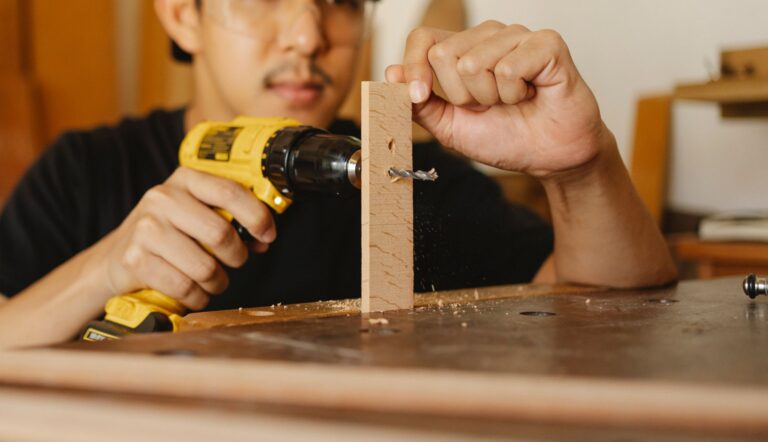
Drywall screws, deck screws, and structural lags want a compact tool with quick bit changes. A 1,400 in-lb class driver can sink long screws into framing without the bulky nose of a socket tool.
That smaller body also gives you better control near edges and inside joists, where a larger tool feels clumsy. For carpentry, framing, and decking, that compact shape is part of the point.
Nuts, Bolts, And Lug Nuts Fit The Wrench
Wheel service, suspension hardware, and seized fasteners belong in wrench territory. A compact 1/2-inch impact wrench can deliver several hundred ft-lb of torque, which is why mechanics reach for it on lug nuts and rusted underbody bolts.
The extra twist helps with breakaway force, the force needed to start motion after corrosion and thread friction lock a joint in place. That physics matters at the wheel well, and it is the reason the wrench earns its keep in automotive bays.
That same force that holds a joint also shapes how steady the tool feels when the bit bites.
Torque, Control, And The Feel In Hand
Torque is the headline difference, and the numbers are not close. Entry-level impact drivers may sit around 1,000 to 2,000 in-lb, while many impact wrenches land in the 150 to 1,200 ft-lb range, with high-output models going higher. That gap explains why one tool spins screws all day while the other breaks loose stubborn hardware.
Size tells the rest of the story. Drivers are smaller, lighter, and easier to use in tight spaces, especially overhead or inside a cabinet carcass. Wrenches bring more mass and more punch, which helps on lug nuts but can feel like overkill on trim screws.
More Force Is Not Always Better
Delicate material changes the equation fast. Soft pine, pocket-hole screws, small machine fasteners, and plated hardware can strip or snap long before the tool runs out of power.
Use the least aggressive tool that still finishes the job. The tool that feels effortless in your hand can still crush a soft joint, and that failure shows up as stripped threads or a broken shank.
The mechanical reason is simple: impact action stores energy in a rotating mass, then releases it in short blows. That pulse helps overcome resistance, but it also makes over-tightening easy once the fastener seats.
Speed And Control Change The Work Pace
Drivers often feel quicker for assembly because bits swap fast and the tool nose stays short. Wrenches feel slower in fine work, but they gain speed when a nut needs repeated removal and reinstall cycles, such as tire rotation or brake work.
For your shop, speed is not just spin rate. It is also the time you save by not changing sockets, not fighting kickback, and not correcting damaged hardware later.
Less wasted motion comes from the hardware around the tool as much as the motor inside it.
| Task type | Best fit | Why it works |
|---|---|---|
| Deck screws | Impact driver | Short hex bits, lighter body, easier depth control |
| Lug nuts | Impact wrench | Higher breakaway torque and socket drive |
| Lag bolts | Impact driver | Better balance for long screws and structural fasteners |
| Rusty suspension bolts | Impact wrench | More torque for seized hardware |
Drive Types And Accessories That Fit
The wrong accessory can make a good tool feel awkward in seconds. Impact wrenches use square-drive sockets, while impact drivers use hex-shank bits, drill-driving bits, and a few specialty adapters. That drive type difference is why the two tools are not interchangeable without compromise.
Socket adapters can bridge the gap, but they add length and wobble. Under heavy load, that extra stack can bend, slip, or snap the adapter before the tool reaches full torque, which is why adapters belong in a pinch, not as a habit.
Hex Shank Bits Stay Compact
A 1/4-inch hex chuck holds standard driver bits and many drill-driving accessories. That setup is fast for cabinet screws, pocket screws, and construction fasteners because the bit seats quickly and resists spin-out better than a loose collet would.
Drill-driver bits also matter for mixed work. A countersink bit or a self-countersink screw bit lets you drive and shape the hole in one pass, which saves steps during carpentry and finish repair.
Square Drive Sockets Fit Automotive Hardware
Impact sockets are built for the wrench side of the comparison. They use thicker walls and tougher steel so they can absorb hammering without shattering the way a hand socket can under impact load.
That matters around lug nuts and suspension bolts, where the socket must survive repeated shock. A shallow 17 mm socket for wheel service or a deep 19 mm for a long stud gives you the reach and clearance the driver side cannot match.
Reach for adapters only after you accept the tradeoff. Extra length changes balance, and the added joint becomes another place for failure under shock.
Brand names such as Milwaukee, DEWALT, and Kreg show up in this space because each makes accessory systems tied to its tool line. The system itself matters more than the logo, since a well-matched socket or bit reduces wobble and wasted motion.
A tight match between socket and driver often decides whether the job feels smooth or sloppy.
Where Each Tool Belongs In Real Work
Mechanics and carpenters ask different things of a fastening tool, so the job list points in different directions. On a lift, the wrench handles wheel service, brake brackets, and stubborn undercar hardware. On a deck frame, the driver sinks screws and lag bolts with less bulk in your hand.
For general DIY, the split is even clearer. Furniture assembly, hinge replacement, shelving, and light maintenance lean driver side, while tire changes and small engine work lean wrench side. That is the practical heart of impact wrench vs impact driver for DIY.
Automotive Tasks Favor The Wrench
Lug nuts are the obvious case, but they are not the only one. Caliper bolts, skid plate hardware, control arm fasteners, and exhaust clamps all benefit from the higher breakaway torque an impact wrench brings.
Battery power has improved cordless wrench runtime enough that many home garages no longer need air lines. Pneumatic tools still have a place in busy shops because compressed air can keep weight down in certain models, but cordless packs now cover most weekend maintenance.
Carpentry Tasks Favor The Driver
Decking asks for repeated screw driving without shoulder strain, and the driver handles that rhythm well. Framing, joist hangers, and fence repair also fit because hex bits swap fast and the narrower nose slips between members.
A brushless motor extends runtime and trims heat in both tool types, but it pays off most in a driver that spends all day on screws. That is why the compact tool earns daily use in construction while the wrench waits for heavier fastening.
General Home Maintenance Splits Between Them
Light furniture assembly, appliance brackets, and shelf mounting can start with a driver and end with a hand screwdriver for final snugging. That hybrid approach keeps you from crushing particleboard or stripping tiny hardware.
Need to remove a stuck mower blade bolt or swap a rusted garden tractor wheel, and the wrench steps in. Once your chores move between wood and metal, the tool box starts making more sense with both tools inside it.
Wood screws and metal fasteners demand different manners, and that difference becomes clear on mixed jobs.
When One Tool Can Stand In For The Other
A driver can loosen some stubborn bolts, but that does not make it the better bolt tool. On clean hardware, a stout model may break loose light automotive fasteners, yet lug nuts and corroded suspension bolts still favor a wrench every time. That gap shows up most clearly in impact driver vs impact wrench for lug nuts.
Socket adapters on an impact driver act as a compromise, not a true replacement. The adapter adds bulk and steals torque, so it falls short on lug nuts and stubborn hardware.
Use The Driver For Light Bolt Work
Small bracket bolts, mower hardware, and interior trim bolts can fall to a driver when the threads are clean. A short socket adapter and a shallow socket can handle that kind of work, especially during quick repairs around the house.
That setup still works best as a backup path. For repeated bolt removal, the wrench saves time and reduces strain on the tool stack.
Own Both When Your Projects Mix
Mixed projects are common in real garages and home shops. A single weekend can include a deck repair, a battery tray swap, and a wheel rotation, and each task favors a different drive type.
For mixed work, that split often answers the question of how to choose between an impact wrench and impact driver. The driver handles screws with better balance and less accessory bulk. The wrench can wait for metal hardware, and that division keeps the work cleaner.
Because the driver stays lighter and the wrench stays sturdier, each has clear limits in the shop.
Use the socket adapter only for light removal and short bursts. Long sessions heat the adapter, and heat plus shock is where bent shanks and rounded corners show up.
Limits, Risks, And Jobs To Avoid
Delicate assemblies and strong impacts do not mix well. Small screws, plated cabinet hardware, aluminum threads, and finish-grade trim can strip fast under an impact wrench, and the damage happens faster than hand feel can catch it.
Over-tightening is the main mistake. A strong tool seats the fastener, then keeps hammering for a fraction of a second more, and that extra pulse can crush wood fibers, stretch threads, or snap a small bolt clean off.
Fragile Fasteners Need A Different Approach
Use a hand driver, a torque wrench, or a clutch-equipped drill for final snugging on delicate work. A torque wrench matters because it measures turning force directly, which helps on engine parts, bicycle hardware, and any joint with a specified final setting.
That distinction separates fastening from measuring. The impact tool gets you close fast; the torque wrench gets you to a set value without guessing.
Finished Surfaces Need More Care
Painted trim, polished metal, and thin sheet goods can mar from tool chatter alone. A socket can scrape a wheel finish, and a spinning driver nose can nick soft trim before the screw seats.
Keep one hand on the tool and one eye on the material edge. The moment the fastener seats, stop the trigger and switch to hand torque or a lower setting.
A cautious hand matters here, since overdriving can strip threads or scar the workpiece in seconds.
A Practical Way To Choose The Right Tool First
Decking and framing point toward a driver, while tire changes and bolt-heavy maintenance point toward a wrench. That simple split solves most purchase decisions because it matches the tool to the fastener shape and the amount of torque the work asks for.
A single tool can get you through a lot, but your first purchase should match the work you do most. For mixed carpentry and mechanics, the cleanest answer is often both, because each one covers a hole the other leaves behind.
Choose The Driver For Screw-Heavy Work
- Deck building handles long screws and lag bolts with better control.
- Framing repair benefits from a short nose near joists and studs.
- Furniture assembly needs lighter weight and lower risk of over-torquing.
- General household fixes use hex bits faster than sockets.
Choose The Wrench For Bolt-Heavy Work
- Tire rotation calls for lug nut removal and reinstallation.
- Brake work needs stronger breakaway force on rusty hardware.
- Suspension service rewards higher torque and impact sockets.
- Trailer upkeep leans on nuts, bolts, and stubborn fasteners.
| Your main work | Buy first | Why that order works |
|---|---|---|
| Decks, framing, repairs | Impact driver | Screws dominate, and the tool stays light in your hand |
| Cars, trucks, trailers | Impact wrench | Nuts and bolts need more torque and socket fit |
| Mixed home and auto work | Both tools | Each tool covers a different fastener shape and load |
For impact wrench vs impact driver for mechanics, the wrench comes first. For it for DIY in a wood shop, the driver gets the nod. That split is the fastest path to a tool that earns space in your case instead of sitting on a shelf.
When the task is assessed this way, the right tool usually reveals itself before the first fastener turns.
What To Remember
The right tool matches the fastener, not the marketing label. Screws, deck work, and lag bolts point to the driver, while nuts, bolts, and lug nuts point to the wrench. Once you match drive type to the job and torque to the material, the choice stops feeling vague and starts looking obvious.
FAQ
Is an impact wrench better than an impact driver?
For nuts and bolts, an impact wrench usually wins because it delivers more torque and uses sockets that fit automotive hardware. An impact driver is better for screws and lag bolts, where a lighter body and hex bits give you better control.
Can you use an impact driver as an impact wrench?
A driver can sometimes loosen smaller bolts, especially with a socket adapter, but that setup is a compromise. The adapter adds bulk and steals torque, so it falls short on lug nuts and stubborn hardware.
Do I need an impact driver if I already have an impact wrench?
Yes, for screw-heavy work. The driver handles decking, framing, cabinet screws, and furniture assembly with less weight and better bit fit, while the wrench stays dedicated to bolts and lug nuts.
Can an impact driver remove lug nuts safely?
Light, clean lug nuts may move with a strong driver and the right socket adapter, but that is not the right tool for routine wheel service. A wrench is safer, faster, and far better at breakaway force.
When should you not use an impact wrench?
Avoid it on fragile fasteners, small screws, delicate assemblies, and finish surfaces that can strip or mar from shock. Use a hand tool, a torque wrench, or a clutch-controlled drill for final snugging and delicate work.