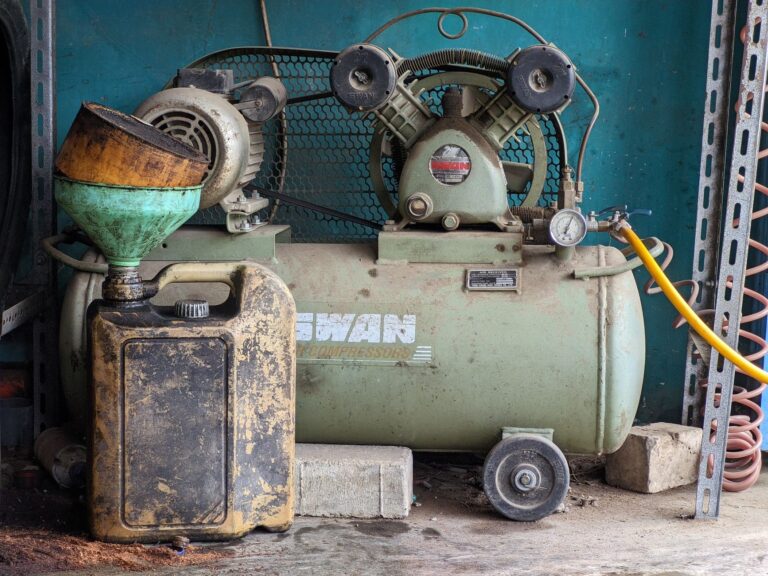
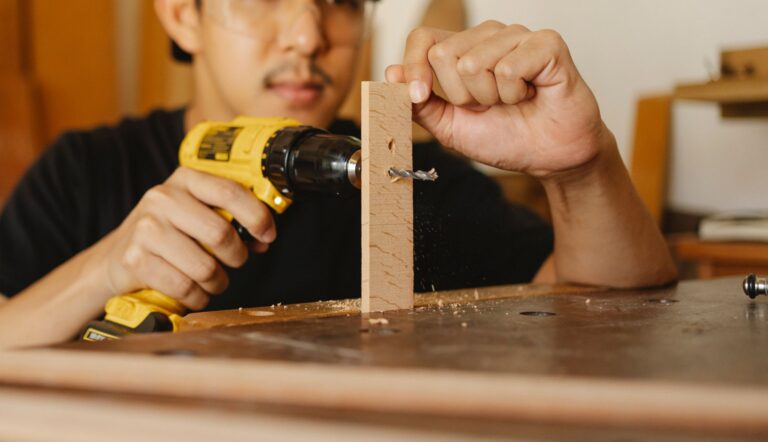
Pneumatic vs cordless nail gun refers to two power setups: a pneumatic nail gun uses compressed air from an air compressor, while a cordless nail gun carries its own motor and battery pack on the tool. The first usually feels lighter in hand; the second usually feels easier to move around a room or job site.
You can use this comparison to match power source, portability, runtime, maintenance, and cost of ownership to framing, finish nailer work, trim work, or occasional home projects.
The practical difference between air and battery nailers
The core difference is where the energy comes from. A pneumatic nailer pushes air through a hose, so the tool stays lighter, while a cordless nailer keeps the drive system onboard and adds weight at the grip.
That changes how the tool behaves after an hour of use. Air supply stays steady on long runs, while battery tools trade some consistency for easier movement between rooms, ladders, and tight corners.
- Air source outside keeps the nailer light, but the compressor stays part of the setup.
- Battery on board removes hose drag, but adds weight to your hand and wrist.
- Repeated fastening often feels smoother with air because the supply does not fade as quickly.
- Quick repositioning usually favors cordless, especially in finished rooms and upstairs work.
A framing wall section, a stair stringer, and a batch of casing all show the split fast. The hose setup usually gives you a calmer cadence during continuous fastening, while the self-contained tool saves time every time you move. That is why pneumatic nailer vs cordless nailer becomes a workflow choice, not just a power choice.
That constant readiness changes how the tool feels in a day’s work, especially when speed and consistency matter most.
Power, speed, and drive consistency in daily use
Framing exposes the difference fastest because long fasteners and dense lumber demand repeatable force. A pneumatic framing nailer keeps a steady punch through long runs, while a cordless framing nailer can slow when the battery pack drops, the motor warms, or the drive system needs a moment to reset.
Finish work and trim work are more forgiving. A cordless finish nailer can handle a room or two without trouble, but a pneumatic finish nailer still feels lighter during a full day of crown, casing, and baseboard because the tool body carries less mass.
| Job type | Pneumatic nailer | Cordless nailer |
|---|---|---|
| Framing | Strong, steady drive for long runs and dense lumber | Strong enough for many jobs, but pack level and heat can shape speed |
| Finish work | Very light in hand, good for long trim sessions | Clean setup, good portability, a bit heavier at the grip |
| Trim work | Fast and consistent around casing, crown, and base | Great for punch lists and small rooms without hose management |
| Sustained use | Holds pace well with compressor support | Battery runtime and cooling pauses can matter on a long day |
A pneumatic system uses compressed air as a kind of spring, so the force release stays very repeatable. Cordless tools rely on motors, flywheels, or nitrogen cylinder systems, and each design stores and releases energy in a different way. Flywheel-based cordless nailers spin up before firing, while nitrogen cylinder-based cordless nailers use sealed gas pressure to assist the strike.
Runtime matters once the workday gets longer. A battery pack can carry dozens or even hundreds of shots, but cold weather, older packs, and repeated heavy pulls shorten that window. That shift is easy to notice on a roof deck or a production trim day, where every pause breaks rhythm.
When the pace picks up, setup overhead starts to feel like a real part of the job.
Portability, setup time, and jobsite convenience
Mobility is where cordless pulls ahead most clearly. You do not have to roll a compressor, snake a hose through a doorway, or check a coupler before the first shot, so the tool starts working almost immediately.
That speed helps on remodel work, attic repairs, deck trim, and basement projects where the work zone keeps changing. A pneumatic setup adds steps before and after the job because you need power, hose reach, staging space, unplugging, draining, coiling, and hauling.
- Fewer trips make cordless useful for punch-list work and small repairs.
- Less clutter helps in finished rooms where a hose can snag furniture or mark trim.
- Faster start-up saves time before a short task.
- Cleaner movement matters on ladders, roofs, and tight corners.
Noise also shapes the choice. A compressor adds a hard mechanical sound that can fill a garage or basement, while a cordless unit still makes motor noise and a firing pop but leaves the room quieter overall. That difference matters in occupied homes, near sleeping kids, or in shared walls.
Convenience does not remove the limits of either tool. A cordless nail gun helps most when the job is mobile, but a steady production run in one area still favors air because the routine stays simpler once the compressor is running. That takes you directly to the money side, where the cheapest tool on the shelf is not always the least expensive system to own.
Once convenience is weighed against downtime, the purchase price starts to look only part of the story.
Upfront price versus total cost of ownership
The sticker price hides a lot of the real gap. A pneumatic setup usually includes the nailer, compressor, hose, fittings, and sometimes oil or filter parts, while a cordless setup shifts more of the cost into the tool body, battery packs, and charger.
That is why cost of ownership for nail guns matters more than shelf price alone. A compressor is not a one-time accessory because it draws power, takes space, needs draining, and may need service over time.
| Cost item | Pneumatic system | Cordless system |
|---|---|---|
| Tool body | Often lower than cordless | Often higher because the power system sits on the tool |
| Support gear | Compressor, hose, fittings, and maintenance items | Battery packs, charger, and extra pack rotation |
| Ongoing cost | Air system upkeep and replacement parts | Battery replacement, charging wear, and downtime |
| Work stoppage | Rarely tied to the fastener tool itself | Can happen with a dead pack or a wait at the charger |
Battery economics follow a different path. The battery pack is the wear item, and a pair of packs can keep the tool moving while one charges. Over time, cells lose capacity and hold less runtime, so the real cost includes replacement packs and the minutes spent waiting for a charge.
For small, occasional use, a modest cordless setup can stay cheaper in practice because you avoid compressor purchase and storage. For regular framing or trim production, a pneumatic system can spread its cost across many jobs and keep per-project expense lower. That tradeoff becomes clearer once weight and upkeep enter the picture.
That broader view of cost becomes sharper when a tool’s weight and upkeep begin wearing on the user.
Weight, fatigue, and maintenance burden
Pneumatic nailers often feel lighter because the air source lives elsewhere. That lighter grip helps on overhead trim, stair work, and long wall runs, where every ounce feels heavier by the end of the day.
Cordless nailers add battery mass and onboard drive parts, and that extra heft sits where your wrist feels it most. A heavier nose also makes it harder to hold the tool level on a toe-nail or tight corner, which can affect nail placement.
Pneumatic care stays centered on air delivery
Air tools ask you to watch seals, fittings, and the compressor itself. Drain moisture from the tank, keep the hose free of kinks, and check couplers and O-rings for leaks so pressure stays steady. Skipping that routine can turn a strong tool into a finicky one, especially in humid weather where water inside the tank creates rust and pressure loss.
Cordless care stays centered on battery health
Cordless tools ask for a different habit. Keep packs out of extreme heat, rotate them instead of draining one to empty every time, and store them at a sensible charge level for longer gaps between jobs. Battery chemistry ages through charge cycles and heat, so the pack often shapes long-term satisfaction.
- Check air leaks on pneumatic setups before a framing day starts.
- Drain the tank after use so moisture does not sit inside the compressor.
- Rotate batteries on cordless tools to avoid a hard stop mid-job.
- Keep packs cool so runtime stays steadier during warm weather work.
- Watch fasteners and jams on both systems, since poor nails can mimic tool trouble.
Reliability risk shows up differently for each type. A pneumatic tool depends on a chain of parts, so a bad coupler, weak hose, or tired compressor can interrupt the day. A cordless tool depends on stored energy, so a weak pack or a hot motor can slow the pace. That difference matters most once you match the tool to the job itself.
A demanding task exposes those limits quickly, which is why matching the tool to the work matters.
The right nail gun for framing, trim, and DIY projects
Framing work still points many crews toward air. A framing nailer on a compressor gives you high shot volume, a lighter gun, and less waiting between drives, which suits walls, subfloors, and roof work.
Cordless framing nailers make sense for remote spots, punch lists, and jobs where dragging a hose would waste more time than it saves. That is one reason the battery vs pneumatic framing nailer choice depends on access as much as force.
Match the tool to the kind of work
- Homeowners often do better with cordless because storage, setup, and cleanup stay simple.
- Occasional users gain the most from a battery tool for short repairs and room-by-room projects.
- Remodelers may prefer cordless for mobility, then add air tools for repeat production tasks.
- Pro framers still lean pneumatic for speed, lighter hand feel, and long daily use.
- Trim carpenters can justify either, but a full day overhead still rewards air in many shops.
Use project size as the deciding line
A single basement remodel, a few doors, and weekend deck trim lean toward cordless because the tool can move with the work. A house frame, a long crown job, or repeated production fastening leans toward air because the compressor pays for itself in pace and reduced hand load.
That is why which nail gun is better for DIY changes with task, not just brand or price. For most DIY use, cordless is the easier fit because you can move from room to room without compressor setup or hose management.
Pneumatic makes sense when you already own the compressor and plan to use the tool often. That practical split is the cleanest answer, and the FAQ below tightens the last loose ends before you choose.
That choice depends on how often you’ll use it, and the final takeaway makes the decision easier.
Final thoughts
The real choice is not power alone. It is whether you want a lighter tool that asks for a compressor and hose, or a self-contained tool that asks more of the battery and less of your setup time.
Match that tradeoff to your project mix, and the right nailer becomes obvious fast. A framing contractor, a trim carpenter, and a first-time DIYer rarely need the same balance of portability, runtime, and maintenance.
FAQ
Are pneumatic or cordless nail guns better?
Neither type wins every job. Pneumatic nailers suit long, repetitive work and lighter hand feel, while cordless nailers suit mobility, quick setup, and short jobs with lots of movement.
What are the disadvantages of a cordless nail gun?
The main cordless nail gun disadvantages are battery weight, charging downtime, and pack wear over time. You also trade some steady speed on long runs for the convenience of a hose-free setup.
Is pneumatic better than cordless?
For sustained framing, production trim, and other high-speed tasks, the lighter air-powered setup usually has the edge. Cordless is better when setup time, access, and cleanup matter more than raw pace.
Which nail gun is best for DIY?
For most DIY use, cordless is the easier fit because you can move from room to room without compressor setup or hose management. Pneumatic makes sense only when you already own the compressor and plan to use the tool often.
Which is better for framing, pneumatic or cordless?
For framing, pneumatic still has the edge on long, steady runs and hand comfort. Cordless framing nailers are useful for remote areas, punch lists, and smaller jobs where mobility matters more than nonstop output.
How much does a pneumatic nail gun setup cost with a compressor and hose?
The cost of ownership for nail guns varies with compressor size, hose length, fittings, and the nailer itself. A simple finish setup can stay modest, while a framing setup with a stronger compressor costs more because the support gear carries a big share of the expense.